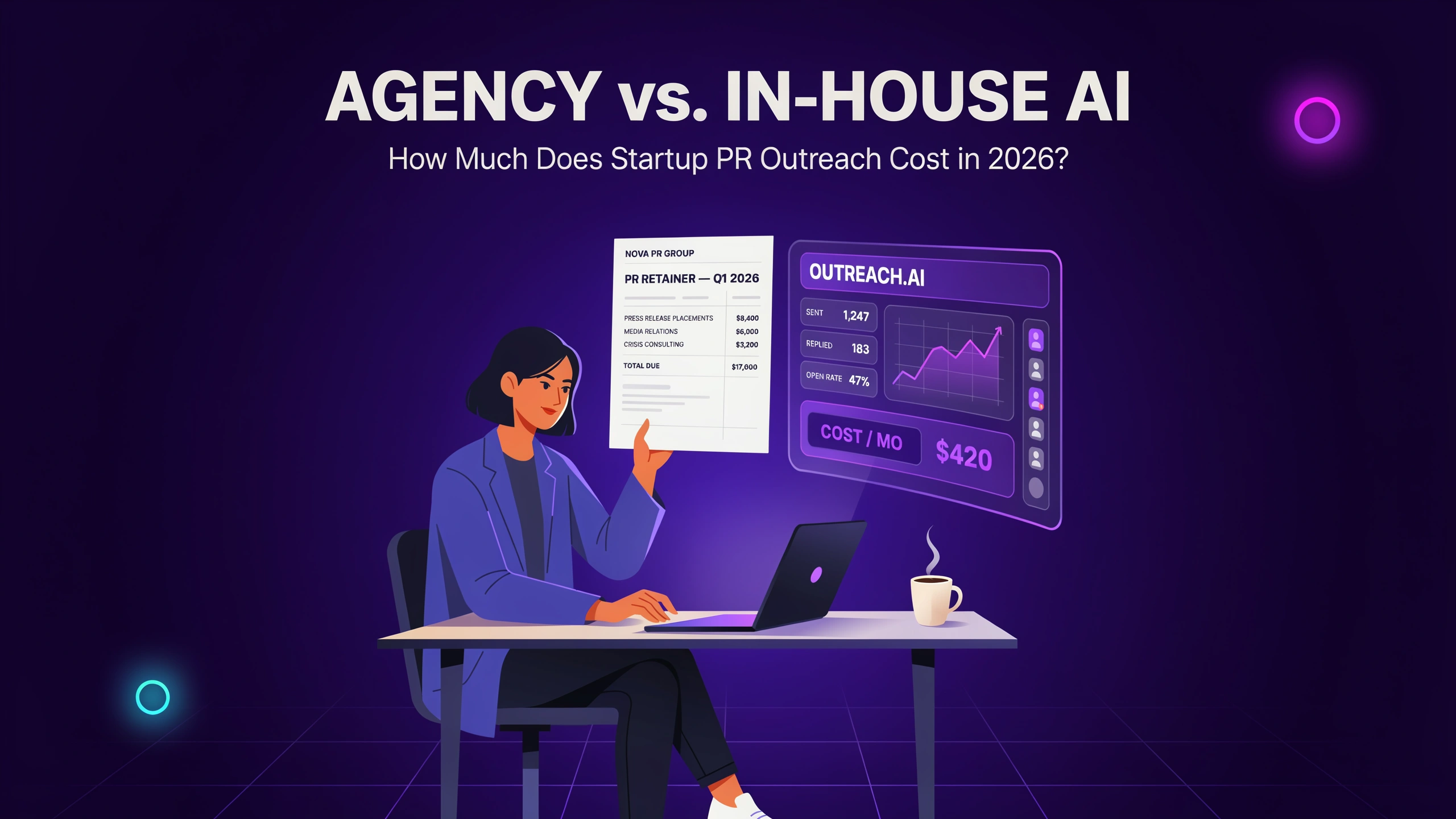
The Definitive Guide to Cold PR Outreach for Startups (2026)
Cold PR outreach is the disciplined practice of pitching journalists, editors, and analysts you have no existing relationship with—using researched relevance, a verifiable news hook, and a personalized pitch to earn earned media for a startup. In 2026, it succeeds only when it replaces spray-and-pray volume with precision targeting, credible data, and respect for the newsroom's time.
💡 Key Takeaways
- Core Strategy: Win coverage by pitching one journalist a genuinely newsworthy, data-backed angle tailored to their beat—not by blasting a template to a list of 500 contacts.
- Benchmark: Journalists receive hundreds of pitches weekly and ignore the overwhelming majority; relevance and verified data are the only reliable filters, per the Muck Rack State of Journalism research.
- Execution Rule: Every cold pitch must answer "why this journalist, why now, why this data" in the first two sentences—or it does not send.
Why Traditional Outreach is Broken
The cold PR playbook that dominated 2015–2022—buy a media database, export 800 contacts, mail-merge a press release, and pray—did not just stop working. It actively damages your brand. In 2026, the inbox economics of journalism have inverted: supply of pitches has exploded while the number of journalists able to read them has contracted. The result is a market where the average cold pitch is treated as noise before a single word is read.
The Inbox Math No One Wants to Admit
Consider the structural reality journalists operate inside. Newsroom employment across the United States has fallen sharply over the past decade and a half, a long-running contraction documented year over year by the Pew Research Center's journalism research. Fewer reporters are absorbing more pitches, more PR agencies, and more AI-generated outreach than ever. When the ratio of pitch-senders to pitch-receivers breaks down, the receiver builds walls: filters, burner addresses, and the "mark as spam" reflex.
Meanwhile, readership has fragmented across platforms and formats, which the Reuters Institute Digital News Report 2026 tracks in detail—audiences discover news through search, social, and increasingly AI assistants rather than a single homepage. Journalists are therefore chasing attention on more fronts than their predecessors, leaving even less bandwidth for unsolicited email.
The core 2026 problem isn't that journalists don't want startup stories. It's that the cost of finding the one good pitch inside 400 bad ones has become unbearable—and senders who understand this asymmetry win by being findable, relevant, and verifiable.
The Database Illusion: Static Lists vs. the Living Newsroom
Legacy PR workflows are built on static media databases—contact records that were accurate, at best, when they were scraped or manually verified months ago. In 2026, beat structures, publication affiliations, and even job titles change faster than list-refresh cycles. A database entry that says a reporter "covers enterprise SaaS" may now cover AI infrastructure, or have moved to a different outlet entirely, or left journalism altogether.
Static databases also encourage the wrong behavior: they optimize for volume (how many contacts can I export?) rather than precision (which one journalist is writing about this exact angle today?). This is the database illusion—confusing a big list with a good list.
A more reliable approach in 2026 is real-time journalist discovery: scanning what reporters are actually publishing right now—via Google News and live bylines—and building the pitch around the current story they're filing, not last quarter's beat tag. This is precisely the workflow Pytch was built around: it scans live news coverage to surface the journalists actively writing your topic this week, rather than serving a stale static list. The contrast is stark—one tool tells you who covered your space in 2024; real-time discovery tells you who published on it three days ago and what they're likely to write next.
| Dimension | Legacy Static Database (2024–2025 era) | Real-Time Discovery (2026 standard) |
|---|---|---|
| Contact currency | Refreshed quarterly at best | Verified against live bylines this week |
| Targeting logic | Beat tags and firmographics | Actual recent coverage and angle |
| Hook source | Your press release | The journalist's current reporting |
| Failure mode | Bounces, "not my beat," spam flags | (Still human—but relevant) |
The AI Spam Flood and the Credibility Backlash
The 2024–2025 period saw a wave of generic AI-generated pitch spam—mass-personalized templates that name-dropped a reporter's last article without offering anything new. Journalists noticed, and the backlash hardened. By 2026, the credibility bar has risen: reporters can smell an algorithmic mail-merge from the subject line, and generic personalization is now worse than no personalization because it signals wasted effort.
The lesson of the AI-spam era: automation is not the differentiator. Judgment is. The winning 2026 playbook automates discovery and verification while keeping the hook, the angle, and the relevance human-grade.
This is where bespoke hook crafting matters. A quality hook is not "Hi [Name], I loved your piece on [topic]!" It is a specific, evidence-based reason this story matters to their readers this week, tied to a data point or news peg only you can provide.
Bad Pitch vs. Good Pitch: A Side-by-Side
Bad PR pitch (still depressingly common in 2026):
Subject: Revolutionary AI Startup Disrupts Everything Hi there, I'm reaching out about [Company], a cutting-edge platform that's transforming the way businesses work. We're disrupting the $50B workflow market and would love a feature. Let me know if interested!
Why it fails: no named beat, no news peg, no data, an unverifiable "revolutionary" claim, and a "feature" ask for a reporter who writes news, not profiles.
Good PR pitch (2026 standard):
Subject: New data: 41% of Series A startups now run PR in-house (exclusive) Hi [Name]—your March piece on the collapse of the agency retainer model missed one number I think you'll want: our survey of 600 seed/Series A founders found 41% now handle PR entirely in-house, up from 19% two years ago. I have the full methodology and the founder quotes behind that shift, plus three examples of startups that dropped agencies and doubled coverage. Happy to share the dataset under embargo. Worth a look for your [beat] coverage?
Why it works: named recipient, specific beat relevance, a proprietary data point, a verifiable methodology, tangible follow-up assets, and an embargo offer that respects the reporter's process.
The Email-Channel Reality
Cold PR is, mechanically, a cold-email discipline, and the benchmarks for cold email apply. Response rates to cold outreach sit in the low single digits—commonly cited around a 3–4% reply rate for well-targeted B2B cold email—and unsolicited pitching performs at or below that. The implication for PR is direct: if your targeting is broad, your effective reach rounds to zero. Delivering to a verified address at a verified beat, with a verified hook, is the entire game—which is why verifying that a journalist's email and current beat are live before a single send is no longer optional hygiene but a core competitive advantage.
What "Broken" Actually Costs Startups
Broken outreach has a compounding cost beyond wasted hours:
- Reputation debt: A reporter who receives three irrelevant pitches learns to ignore your domain. That's a permanently closed door.
- Deliverability decay: High bounce and spam-complaint rates poison your sending domain, so even your good future pitches land in spam—an email deliverability principle squarely documented in industry research from Litmus.
- Opportunity cost: Every hour building a 500-contact blast is an hour not spent building the one relationship that yields a feature.
- Founder distraction: For seed-stage teams, PR cycles spent on broken tactics are cycles stolen from product and sales.
The fix is not "do more outreach." It's "do surgical outreach"—and that starts with understanding what a modern hook actually is.
The Anatomy of a Modern PR Hook
A PR hook is the reason a story is worth telling right now. In 2026, hooks are judged against a higher bar than ever because journalists and their AI-assisted newsroom tools filter ruthlessly for novelty, verifiability, and audience relevance. A modern hook has a recognizable anatomy—and once you can name its parts, you can build one on demand.
The Five Components of a 2026 Hook
- Timeliness (the "why now"): A news peg—a data release, a funding round, a regulatory shift, a cultural moment. Without it, you're pitching a feature idea, which reporters almost never have room for.
- Specificity (the number): A concrete, proprietary data point. Verified statistics dramatically increase the likelihood your content gets cited; Princeton's research on generative engine optimization found that adding verified statistics boosted citation rates by roughly 37% and authoritative source links by about 40%—a finding that applies equally to whether a journalist trusts your pitch.
- Relevance (the beat match): Proof you know what this reporter covers and why the angle fits their audience, not just their industry.
- Credibility (the proof): Methodology, named sources, and verifiable claims. Vague "revolutionary" language is a credibility tax you can't afford.
- The offer (the easy next step): An exclusive, an embargo, a dataset, a founder interview, a quote on record—something that reduces the reporter's work rather than adding to it.
A hook is not a summary of your company. It is a self-contained argument that a specific journalist's specific readers will care about a specific development this week.
Timeliness: Building Hooks Around Newsroom Rhythms
Timing isn't just "is there a peg"—it's when the peg lands relative to newsroom cycles. Tech reporters at outlets like TechCrunch work to specific embargo conventions and lead times; a launch pitch sent the morning of an announcement is functionally dead, while an embargo offered 7–10 days out gives a reporter room to write. Harvard Business Review's work on narrative framing reinforces the point for thought-leadership angles: executives who frame a story around a change in the world (a shift in how teams work, a new regulation, a market inflection) earn attention far more reliably than those who frame it around themselves—a principle well documented in HBR's executive communication research.
Specificity: Why Data Is the 2026 Differentiator
In a landscape flooded with AI-generated pitches, data is the one thing that's hard to fake and easy to verify. A startup that has run a proprietary survey, analyzed its own platform data, or conducted a benchmark study holds a hook journalists cannot get elsewhere. This is why the strongest 2026 startups build a data asset before they build a pitch list—the data is the pitch.
Contrast the two:
- Weak, data-free hook: "Our platform is transforming how teams collaborate." (Unverifiable, unoriginal, unfilterable.)
- Strong, data-backed hook: "Teams using async tools lost 6.2 hours a week to context-switching, per our analysis of 40,000 workflows—here's the methodology." (Specific, verifiable, exclusive.)
Data hooks also do double duty in the AI-search era: the same verified statistics that make a journalist trust your pitch make your eventual coverage more likely to be cited by AI answer engines, a dynamic explored in ongoing research indexed by Search Engine Land and Search Engine Journal. The Princeton GEO findings above are the clearest evidence: verification is the currency of a trust-scarce information economy.
Relevance: The Beat-Match Discipline
Relevance is where most cold pitches die. The 2026 discipline is brutal: every pitch must pass the "why this journalist" test. That means knowing not just the beat but the recent angle—what they've published in the last 4–6 weeks, what they've been skeptical of, and what they're clearly hunting for next.
This is where real-time discovery beats static research decisively. Scanning live Google News coverage of your category tells you which reporters are actively writing on it; cross-referencing their bylines reveals the angle they're developing. A workflow that pairs this live scan with verified email delivery—checking that the address is current and not a bounce risk—turns a cold send into a warm-relevance send. Pytch was designed precisely around this loop: scan live news for active journalists, verify the contact is live, then craft a hook grounded in what they published days ago. The practical result is fewer sends, higher open rates, and far fewer spam-flag incidents.
Credibility: Proof Beats Adjectives
In 2026, credibility is a series of small proofs: a named methodology, a linked source, a founder available for comment, an example customer willing to go on record. Vague superlatives erode trust; verifiable claims build it. Journalists operate inside a public-trust environment that remains fragile—Pew Research Center's public trust metrics and the Edelman Trust Barometer both track the persistent gap between institutions' self-narration and audiences' willingness to believe it. A pitch that offers verifiable proof is a gift to a reporter navigating that gap.
The Practical Hook Template (2026)
Put the five components together and the anatomy looks like this:
Subject: [Specific data or news peg] — [exclusive/embargo, if applicable] Line 1: Why this reporter / why now (the live beat match). Line 2: The number and what it means (specificity). Line 3: The proof (methodology, source, examples). Line 4: The offer (dataset, interview, embargo, quote). Line 5: One-line sign-off, no "let me know if interested."
This is not a template to mail-merge—it's a checklist every bespoke pitch must satisfy. Bespoke hook crafting means the content of each line is unique to the recipient; the structure is what you standardize.
The Compounding Advantage of the Hook-First Mindset
Startups that adopt hook-first outreach in 2026 enjoy compounding advantages that static-database peers never see:
- Higher response rates, because relevance is provable, not claimed.
- Better coverage quality, because data-backed stories get written up with the data—not as puff pieces.
- Domain reputation health, because verified, targeted sends keep bounce and complaint rates low.
- Relationship equity, because the journalist remembers the sender who was useful, not the sender who was noisy.
These advantages compound: each earned feature gives you a new data point, a new peg, and a new reason for the reporter to open your next email.
Transitioning to Part 2
We now have the diagnostic foundation: why traditional outreach is broken, and what a modern hook must contain to survive the 2026 newsroom filter. But knowing the anatomy of a hook is not the same as building a system that produces them at startup speed—where team budgets are tight, founders are the de facto comms leads, and every send carries real opportunity cost.
Part 2 moves from the abstract to the operational: building the media list that actually gets responses, crafting the pitch sequence, handling embargoes and exclusives, and engineering the follow-up cadence that turns silence into coverage—including how to run discovery, verification, and hook-building as a repeatable weekly workflow instead of a heroic one-off.
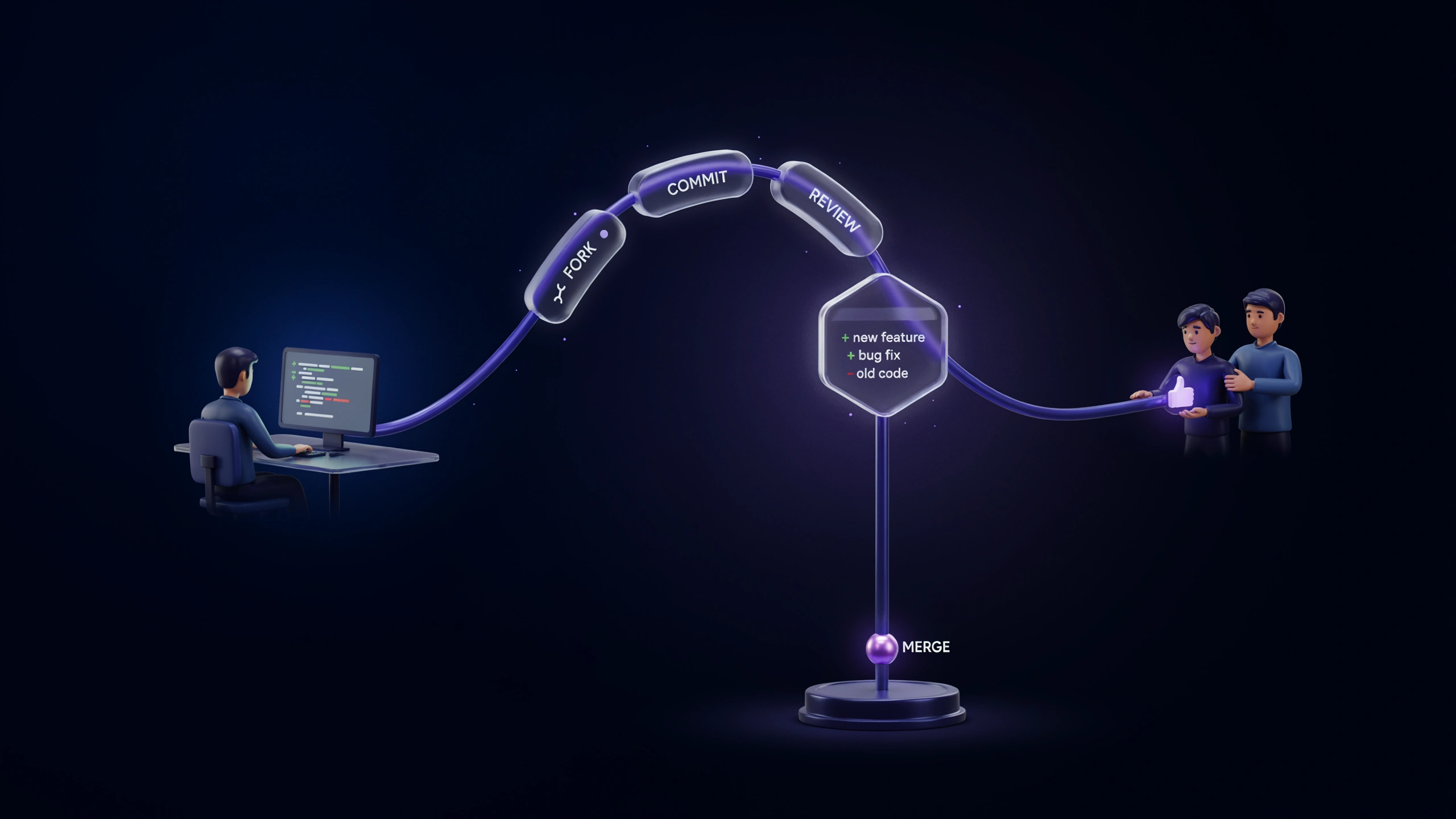
Figure 1: Strategic outreach framework and media targeting workflow.
The Execution Blueprint: Media Research and Pitch Architecture
The hook anatomy gives you the argument. Execution gives you the delivery system. In 2026, the startups that earn consistent coverage are not the ones with the largest contact lists—they are the ones running a tight, repeatable weekly engine that converts live newsroom activity into verified, relevant, bespoke sends. This section covers the two mechanical halves of that engine: how to build a targeted press list in under 60 minutes, and how to write and send a pitch that survives the inbox filter.
Step-by-Step Media Research: Building the 2026 Press List in Under 60 Minutes
The phrase "how to build a targeted media list for startup PR in under 60 minutes" is not a Productivity Guru promise—it's a constraint that forces the right methodology. A 60-minute ceiling kills the database-export habit by design: you cannot build a precision list from a static export in an hour, but you can build one from live newsroom activity. Here is the exact workflow.
Step 1: Define the News Category, Not the Industry (Minutes 0–10)
Skip generic industry terms. Pull the three to five categories of story your startup could credibly anchor: e.g., "[category] Series A funding trends," "[category] regulation," "[category] adoption statistics." These become your live-scan queries.
For each, write a one-line pitchable claim—the sentence a journalist would actually print. If you can't write it, you don't have a hook yet; you have a hope.
Step 2: Scan Live Coverage for Active Bylines (Minutes 10–25)
This is where static media databases fail structurally in 2026: the person writing about your category today is the target, and beat assignments shift faster than list refresh cycles. Static lists tell you who covered your space in 2024; live newsroom scanning tells you who published on it three days ago.
The manual version: Run Google News searches with date operators (when:7d) on your category queries. For every article in the last 7–14 days, record the byline, outlet, publication date, angle, and any skepticism or open question the piece raises.
The automated version: Real-time discovery tools built for this workflow—Pytch is one of the few in 2026 engineered specifically for it—scan live Google News coverage of your category and surface the journalists actively filing on it this week, along with their recent bylines. Instead of exporting 800 stale records, you get 30–40 live names, most of them actually relevant.
💡 The 60-Minute Rule of Thumb: Target a list of 20–30 journalists maximum per pitch cycle. If your list exceeds 50 names, you either haven't defined the news category tightly enough or you're building a database export disguised as research. Precision is the goal; volume is a liability.
Step 3: Qualify Each Contact Against Three Tests (Minutes 25–40)
For each byline, apply three binary filters:
- Recency: Did they write on this category in the last 4–6 weeks? If not, deprioritize.
- Angle fit: Does your pitchable claim extend, contradict, or supply missing data to their recent reporting? "Extend, contradict, or supply" is the relevance triangle—if it does none of the three, cut the contact.
- Format fit: Do they write news, features, analysis, or profiled individuals? A news reporter wants a peg and a number. A features writer wants a character and a narrative arc. A data reporter wants methodology and a dataset. Pitching a "please feature our startup" ask to a news reporter is the most common cold PR outreach failure in 2026.
Step 4: Verify Every Email Before It Enters the List (Minutes 40–55)
This is the step most startups skip—and it's the one that determines whether your pitch even lands. Cold PR is mechanically a cold-email discipline, and the benchmarks are unforgiving: well-targeted B2B cold email typically earns only a 3–4% reply rate, and unsolicited pitching performs at or below that. Every bounce and spam complaint poisons your sending domain, an email deliverability dynamic squarely documented in Litmus's state-of-email research. High bounce rates on early sends can bury your good future pitches in spam for months.
The 2026 verification discipline—how to find journalists' emails without guessing:
- Accept only current, verifiable addresses. If it came from a scraped static database, treat it as unverified until proven live.
- Re-verify within 7 days of sending. An address confirmed in March may be dead by May after an outlet change.
- Check the byline author page and outlet masthead for current beat confirmation; job moves are the top cause of "not my beat" replies.
- Automate the verification loop. Pytch's core loop pairs live newsroom scanning with verified email delivery—confirming the address is current and not a bounce risk before the send. For startups without a PR ops team, this is the difference between a domain with a clean reputation and one flagged by every inbox provider.
A bounce doesn't just lose one pitch—it teaches the reporter's inbox and your sending domain to distrust each other. Verified delivery is not hygiene in 2026; it is the delivery system.
Step 5: Rank and Tier the List (Minutes 55–60)
Segment the surviving contacts into a simple tier system:
- Tier 1 (exclusive/embargo candidates, 2–3 contacts): Best angle fit, most active in your category, likely to win from exclusivity. These get your primary data offer.
- Tier 2 (tailored parallel pitches, 10–15 contacts): Good angle fit, same peg, different framing per outlet. These get the pitch after Tier 1 responds—or after the embargo window opens.
- Tier 3 (monitor, not send): Tentative relevance. Hold them for the next cycle rather than diluting this one.
💡 Sequencing Rule: Exclusive offers go to max 2–3 journalists, with a stated embargo window of 24–72 hours. Never offer an "exclusive" to six people; it's not an exclusive—it's a press release with extra steps.
The Comparison: 2026 Outreach Channels Benchmarked
| Approach / Channel | Journalist Response Reality | Deliverability & Risk | Ideal Use Case |
|---|---|---|---|
| Static database blast (2024–2025 holdover) | Near-zero; falls below the ~3–4% cold B2B baseline | High bounce/complaint risk; domain reputation decay | Legacy agencies, non-targeted announcements |
| Live-verified targeted send (20–30 contacts) | Strongest reliable response; relevance provable | Low bounce; clean sender reputation | Every startup news peg with a data asset |
| Social DM / platform outreach | Variable; often ignored or triaged to other channels | Minimal deliverability risk, but easy to bury | Relationship-building and warm-up, not primary pitching |
| Shared wire / press release distribution | High syndication, low pick-up of your angle | Clean, but commoditizes your story | Undifferentiated announcements, earnings, scheduled items |
| Real-time AI discovery + verified delivery (2026 standard) | Fewer, better sends; hooks built on last-week bylines | Verification loop minimizes bounce and spam flags | Startups running the weekly engine |
Data within this table sourced from Muck Rack's State of Journalism research, Cision research, Propel PR insights, and Pew Research Center Journalism.
The relevant choice is not "which vendor"—it's whether your workflow is batched and static or live and verified. The table above is a methodology comparison, not a product recommendation: in 2026, the winning approach is the one that treats discovery and delivery as a single connected loop.
Writing High-Converting Pitches: The Cold PR Outreach Email Teardown
Knowing how to pitch journalists by email is a craft learned one failed pitch at a time—but the rules can be specified. Here is the 2026 specification.
The Hard Numbers (Non-Negotiable Rules of Thumb)
- Length: 150–180 words. Past 200 words, the open-to-reply conversion collapses. Journalists skim; write for skimming.
- Subject line: under 50 characters, with the news peg or data point leading. "Exclusive" or "embargo" if genuinely applicable—not as decoration.
- First two sentences must answer: why this journalist, why now, why this data.
- Send window: Tuesday–Thursday, 7:00–10:00 a.m. in the journalist's time zone. Avoid Friday afternoons, weekends, and the hour after major news breaks at their outlet.
- One send, then follow-up at 72 hours (3 business days), then a final follow-up at 5–7 days, then stop. A third follow-up is reputational damage, not persistence.
- No attachments on the first touch (unless the outlet's process demands it). Links to data appendices are fine; a 12MB PDF is a filter trigger.
- One clear offer per email. Multiple asks read as a menu and produce a delay or no reply.
PR Pitch Subject Lines: What Actually Works in 2026
Cold PR pitch subject lines are the single highest-leverage 40 characters you write. The dominant formats:
- The data point lead:
New data: [X%] of [population] now [behavior] (exclusive)— verifiable, specific, offers an exclusive. - The peg lead:
[Category] bill passed — [N] startups affected, data attached - The correction/extend lead:
Your [Month] piece on [Recent Article Title] missed one number - The character lead (features data only):
The founder who [specific action] — interview available
What fails, with 2026 precision: "Revolutionary," "disrupting," "game-changing," "transforming the way," "let me know if interested," and any subject line that leads with your company name rather than the story. The 2024–2025 wave of AI-generated spam taught journalists to pattern-match: if the subject line looks algorithmic, it is. The lesson of that era, per the data-driven trust metrics tracked by the Edelman Trust Barometer, is that credibility flows from verifiable claims, not polished adjectives.
The Verified-Methodology Pitch Templates
Template A — Tier 1 Exclusive (Data / News Peg)
Subject: New data: [X%] of [population] now [behavior] (exclusive, embargo [Date])
Hi [Name]—your [Month] piece on [Recent Article Title] left one number open: [the open question you identified]. Our analysis of [methodology / sample size] found that [specific data point], up from [prior figure] two years ago.
The full dataset and methodology are available under an exclusive embargo until [Date + 48–72 hours], along with [founder name] for comment on record and [N] customer examples behind that shift.
Is this relevant for your [beat] coverage ahead of [news peg, if applicable]?
Why it works: named recipient, a specific recent article referenced, a data point with methodology, an exclusive in the subject line, an embargo window respecting the reporter's process, and a single clear question.
Template B — Tailored Parallel (After the Exclusive Window Opens)
Subject: [Specific angle] — data + founder interview for your [beat]
Hi [Name]—following your reporting on [topic], the new [N]-person survey from [Company] found [specific figure]. The full methodology is attached as a one-page appendix, and [Founder] is available for a 20-minute interview if useful.
Relevant to your [beat] readers?
Shorter, no exclusive offered (it's gone), still anchored to a live beat match.
The Follow-Up Email to a Journalist
Silence is not a no—in 2026 it's usually triage. The follow-up sequence, and how it should read:
- 72-hour follow-up, same thread, two to three sentences max: "Circling back on this one in case it's useful for your [beat] coverage this week—[one-line reminder of the data point and the offer]." No new pitch, no apology theater, no "just checking in."
- Day 5–7 final follow-up: one sentence—"Closing the loop on this—happy to send the dataset anyway for reference, no need to respond." This creates a permission-based open door and signals you won't tail the inbox.
- Then stop. A fourth follow-up earns a permanent mental block, which is exactly the reputation debt Part 1 warned about.
💡 The follow-up insight most startups miss: the follow-up's job is not to re-ask. It's to give the reporter a second reason to open the email—a new framing, a fresh number, or a permission-based close.
Cold Email Deliverability for PR: The Structural Layer
You can write a perfect pitch and still lose before the hook is read—if it lands in spam. The mechanics: keep your sending domain separate from your primary company domain, warm it gradually, personalize every first line (which is both a hook requirement and a deliverability signal), avoid mass-identical HTML, and send from a real human address rather than a noreply@ or newsletter address. Above all, verify every contact before you send—a high bounce rate is the fastest route to a demoted domain, as the deliverability research from Litmus and the broader newsletter-engagement analysis tracked by Dan Zarrella-backed benchmarks repeatedly confirm.
This is the structural argument for a real-time verification workflow over a static list: in 2026, the best PR outreach platform is not the one with the biggest database—it is the one where discovery, email verification, and hook context live in a single loop. Pytch is built for startups on exactly that tradeoff: scan the live newsroom, verify the delivery address, craft the hook against the reporter's last-week byline—all in one pass, then send 20–30 surgical pitches instead of 800 deaf ones. For seed-stage teams where the founder is the de facto comms lead, that loop is the whole advantage.
The Pitch-Methodology Comparison
| Feature | Legacy Static Database Workflow (2024–2025) | Real-Time Verified Workflow (2026 Standard) |
|---|---|---|
| List source | Batched export, refreshed quarterly | Live Google News scan, refreshed weekly |
| Contact verification | Manual, often stale | Verified within 7 days of send |
| Hook source | Your press release | Reporter's recent byline + your data |
| Subject line logic | Company-centric | Data/peg-centric, under 50 characters |
| Typical send volume | 200–800 per announcement | 20–30 per pitch cycle |
| Follow-up cadence | Round robin, unattended | 72-hour and 5–7-day touch, then stop |
| Failure signal | Bounces, "not my beat," spam flags | Far fewer, but not zero—relevance is still human |
Sources: Muck Rack State of Journalism research, Cision media research, Propel PR blog, Belkins cold outreach benchmarks.
The 2026–2027 Shift to Anticipate
Heading into 2027, the pitch itself becomes more heavily machine-mediated: AI inbox triage and newsroom recommendation engines will increasingly score pitches for verifiability and novelty before a human reads them. The implication is direct—structured, cited, data-attached pitches will gain a structural advantage, while "personalization theater" (name-dropping a recent article with no actual new information) will be filtered out entirely. The 2026 standard—verified statistics, methodology, embargo discipline—is already the 2027 minimum.
Startups that treat cold PR outreach as a weekly measurement discipline—verify who's live, craft the bespoke hook, send 20 surgical pitches, follow up twice, learn from the responses—will out-earn, on a per-hour basis, every team that buys a bigger list.

Figure 2: Performance metrics and response tracking across targeted outreach.
Critical Mistakes Founders & PR Teams Make (And How to Fix Them)
Even teams that have absorbed the hook anatomy and pitch architecture still leak coverage through predictable operational failures. These are the four failure modes we see most often in 2026—each with a concrete fix and the evidence behind it.
Mistake 1: Treating "Automated Outreach" as a Volume Multiplier
The worst 2026 pattern is still teams that use automated outreach to send more pitches, not better ones—scaling a broken template across 800 contacts and calling it a system. Journalists pattern-match algorithmic mail-merge instantly, and the 2024–2025 AI-spam backlash hardened that reflex. The fix: automate discovery and verification, keep the hook and judgment human. Let automation find the live byline and confirm the address is deliverable; never let it write the relevance argument.
Automation should compress the research hours, not multiply the send count. A tool that helps you send 800 pitches is a liability; one that helps you send 25 correctly is the entire edge.
Mistake 2: Reusing One Hook Across Incompatible Formats
Pitching a "please feature our startup" ask to a news reporter, or a hard data peg to a features writer who needs a character arc, is the single most common relevance failure. The 2026 fix is format-triage in Step 3 of your research: classify each contact as news, features, analysis, or profile before you write, then build the hook to match. A news reporter wants the number and the peg; a features writer wants the founder and the narrative. Mismatched format is often the real reason a technically "on-beat" pitch still dies.
Mistake 3: Neglecting Deliverability Until the Domain Is Poisoned
Startups obsess over copy and ignore the structural layer until a launch week produces a wave of bounces and spam complaints. By then the damage is compounding: a demoted sending domain buries your good future pitches, a dynamic documented across deliverability research at Litmus. The fix is preventive hygiene—separate sending domain, gradual warm-up, verified addresses within 7 days of every send, and a hard stop on over-following-up. Verified delivery is the foundation everything else rests on.
Mistake 4: Measuring Sends Instead of Earned Outcomes
Vanity metrics—emails sent, contacts added, "open rate" from tracking pixels reporters increasingly block—tell you nothing about coverage. The 2026 fix: measure the only three numbers that matter—reply rate, coverage conversion, and relationship retention (did the reporter open your next pitch?). Set a reply-rate floor aligned to cold-outreach reality (well-targeted sends earn a low-single-digit reply rate; PR relevance should push you above the generic B2B baseline), and review it weekly, not per-campaign. Teams that treat outreach as a measurement discipline compound; teams that treat it as a volume contest don't.
The Comprehensive PR Execution Checklist
Run this as a recurring weekly cycle, not a one-time launch ritual. Every box is calibrated to the 2026 standard and forward-compatible with 2027's machine-mediated inboxes.
Pre-Launch Prep
- Build a data asset (proprietary survey, platform analysis, or benchmark) before building any list—the data is the pitch.
- Define 3–5 news categories (not industry terms) and write a one-line pitchable claim for each.
- Identify your Tier 1 exclusive window (24–72 hours) and confirm the peg is real and dated.
- Set up a separate sending domain, warmed gradually, with SPF/DKIM/DMARC configured.
- Draft your verified-methodology appendix (one page) so reporters can check your numbers.
- Prepare founder availability and 2–3 customer references willing to go on record.
Outreach Execution
- Scan live Google News (last 7–14 days) for active bylines on each category—via real-time discovery, not a stale export.
- Qualify each contact against the recency / angle-fit / format-fit triple test; cut anything that fails.
- Verify every email within 7 days of send—no scraped address enters the list unverified.
- Tier the list: 2–3 exclusives, 10–15 tailored parallels, rest monitored.
- Write each hook to the five-component anatomy; keep subject lines under 50 characters and bodies at 150–180 words.
- Send Tuesday–Thursday, 7–10 a.m. in the journalist's time zone; no attachments on first touch.
- Log every send, bounce, and reply in a single tracking sheet—automate the discovery, log the judgment.
Post-Pitch Nurturing
- Send follow-up #1 at 72 hours (same thread, new reason to open) and #2 at day 5–7, then stop.
- Deliver the dataset even on a no—permission-based open door beats persistence.
- After coverage, send a one-line thank-you with the published link and any post-publication data.
- Refresh the list weekly; re-run live scans so next cycle's targets reflect this week's bylines.
- Review reply rate, coverage conversion, and relationship retention every Friday—adjust tiers, not volume.
- Archive every pitch and outcome to build an institutional memory for 2027 planning.
<!-- INTERNAL_CLUSTER_LINKS_START -->
Related Playbooks in the Cold PR Outreach Cluster
Explore connected guides in our Cold PR Outreach semantic cluster:
- Pr Outreach Software Pricing: PR Outreach Software Pricing in 2026: Monthly Plans vs Annual Enterprise Lock-In
- Best Pr Outreach Platform: Best PR Outreach Platform in 2026: Data-Driven Guide to Journalist Discovery, AI Pitching & Verified Email Delivery
- Pr Outreach Software For Startups: PR Outreach Software: The 2026-2027 Guide to Earning Media Coverage That Actually Moves the Needle
- Cold Email Deliverability For Pr: Cold Email Deliverability for PR: Avoiding Spam Filters When Pitching Media
- Follow Up Email To Journalist: The 2026 Playbook: Follow Up Email to Journalist Who Ignored Your Pitch (Without Being Annoying)
Frequently Asked Questions
Q: How many journalists should a startup pitch per cold PR cycle?
Pitch 20–30 journalists maximum per cycle, tiered into 2–3 exclusives and 10–15 tailored parallels. Precision beats volume structurally: well-targeted cold outreach earns only a 3–4% reply rate, so a broad 500-contact blast rounds your effective reach to near zero while poisoning your sending domain—whereas a tight, verified list makes relevance provable and keeps bounce rates low.
Q: Does automated outreach still work for PR in 2026?
Yes—but only when automation handles discovery and verification, not the relevance argument. Automated outreach that scales a generic template is exactly what journalists learned to filter during the 2024–2025 AI-spam era; automation that scans live newsroom activity and confirms deliverability before a human-crafted hook is sent is now the competitive standard.
Q: How do I find a journalist's email without guessing or bouncing?
Verify against current bylines, the outlet masthead, and a live verification check within 7 days of sending—never trust a static database address. A bounce doesn't just lose one pitch; it teaches the reporter's inbox and your sending domain to distrust each other, an email deliverability principle documented in industry research from Litmus. A real-time loop that pairs live-news scanning with verified email delivery removes the guesswork entirely.
Q: What's a realistic timeline for cold PR outreach to earn startup coverage?
Expect 2–6 weeks of disciplined weekly cycles before consistent coverage, with the first replies often arriving within a single follow-up sequence. There is no shortcut past the credibility bar—Princeton's research on generative engine optimization found verified statistics boosted citation rates roughly 37%, and that same verification logic governs whether a journalist trusts your first pitch.
Conclusion: Scaling Your Media Coverage with Pytch
The through-line of this entire 2026 guide is uncomfortable but clarifying: the startups that win coverage are not the ones who send the most pitches—they are the ones who waste the fewest. Every broken tactic—the static database blast, the AI-spam template, the unverified address, the fourth follow-up—doesn't just fail to earn coverage; it builds reputation debt and poisons the domain you'll need for the pitches that actually matter.
The 2026 standard is a weekly engine, not a launch event: scan the living newsroom, verify the delivery, craft a bespoke hook against what a reporter published days ago, send 20 surgical pitches, follow up twice, learn from every reply, and nurture the relationships that outlast any single announcement. That engine is the whole competitive advantage for seed-stage teams where the founder is the de facto comms lead.
This is exactly the loop Pytch was built to run. Instead of exporting stale records from a static database, Pytch scans live Google News coverage to surface the journalists actively filing on your category this week, pairs that with verified email delivery so your sends land cleanly, and gives you the byline context to craft a bespoke hook grounded in the reporter's recent work—all in a single pass. The workflow comparison is stark: one path tells you who covered your space in 2024 and hopes; the other tells you who published on it three days ago and hands you a verified way to reach them.
The future of media relations heading into 2027 is not bigger lists—it's tighter loops. Verification, live relevance, and human judgment will be the only filters machines and reporters both respect.
Ready to run the engine? Run your first media search on pytch.cc—scan the live newsroom for your category, verify the contacts worth pitching, and send the 20 pitches that actually get read. Your next feature starts with the right list, not the biggest one.