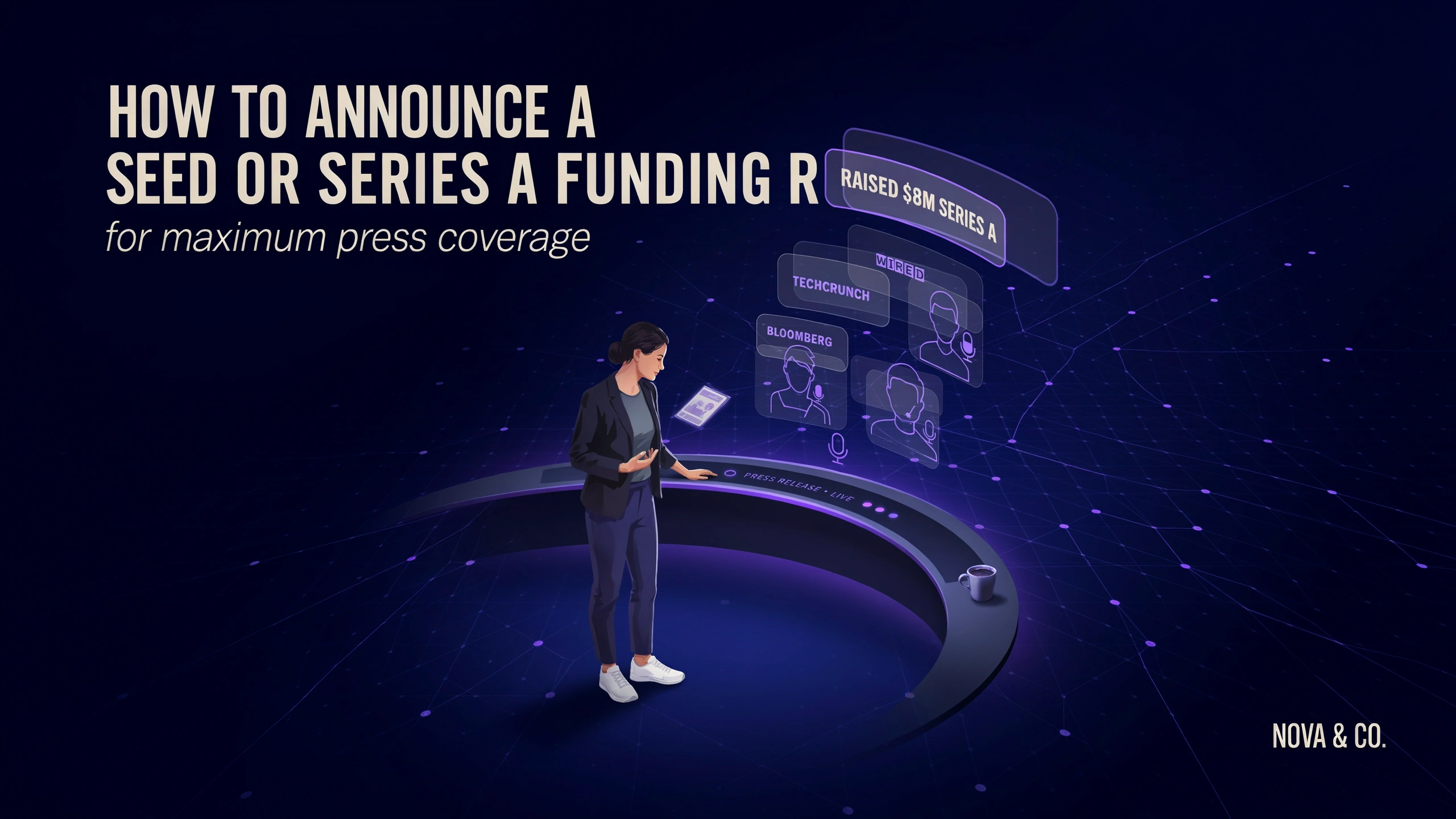
How to Announce a Funding Round in 2026: What Changed in Journalism, Search, and Trust
To announce a funding round in 2026, you must treat the announcement as a distributed trust event—not a single wire blast—engineering a verified narrative, exclusive journalist relationships, and search-optimized assets that survive AI summarization, satisfy newsroom verification, and earn citations long after the embargo lifts.
💡 Key Takeaways
- Core Strategy: The wire is a footnote, not the headline—win the announcement with targeted exclusives, verified data, and AI-readable assets before syndication commoditizes it.
- Benchmark: Journalists now field an estimated 50+ pitches per day and only about 1 in 5 pitches earns a response, while trust in media remains near historic lows—relevance, not reach, decides coverage.
- Execution Rule: Never send a funding pitch without a load-bearing number, a named news hook, and a 48–72 hour embargo window tailored to each journalist's beat.
The 2026 Funding Announcement Reality: From Wire Blast to Trust Event
The mechanics of funding PR have inverted. As recently as 2023–2025, the default playbook was a Tuesday morning wire drop, a recycled boilerplate release, and a hope that aggregators would pick it up. In 2026, that playbook is functionally dead. The journalists you want are drowning in automated pitches, their newsrooms are smaller than at any point in the past decade, and their first stop after opening your email is not your website—it's a verification pass across search, social, and generative AI summaries.
Three structural shifts define the 2026 landscape:
- Newsroom contraction and beat consolidation. Pew Research Center Journalism has documented years of steady newsroom employment decline, meaning fewer reporters cover more territory. The startup/VC beat at most outlets is now one person, not a team—so your pitch competes against dozens of fundings that week, not one or two.
- AI-assisted newsrooms. Per the Reuters Institute Digital News Report, newsrooms increasingly use AI for transcription, summarization, and lead-triage of inbound email. Your pitch is often read first by a machine that decides whether a human ever sees it. That changes everything about formatting, subject lines, and the presence of hard, attributable facts.
- The trust deficit. Edelman's Trust Barometer continues to show institutions—including media and the companies that pitch them—operating in a low-trust environment where claims require proof. "Revolutionary AI platform raises $8M" is noise. "$8M to cut cloud spend 40% for 200 mid-market customers" is a story.
The core challenge for your funding announcement in 2026: You are no longer buying awareness with a wire fee. You are earning a citation by making a journalist's verification work easy and a reader's reason to care obvious.
Seed Round Press Announcement Foundations: Narrative, Timing, and the 2026-2027 Press Kit
Before you think about distribution, you need the three foundational assets every credible funding announcement now requires: a load-bearing narrative, a timing decision, and a press kit engineered for both human journalists and generative search engines.
1. The Narrative: Your Round Is Not the Story
Journalists do not cover money. They cover what money makes possible. A seed round press announcement fails when the lede is "we raised," and succeeds when the lede is "a market previously stuck at X can now do Y." Reframe accordingly:
- Bad lede: "Acme AI, a next-generation workflow platform, today announced it has raised $6M in seed funding led by BigFund Ventures."
- Good lede: "Acme AI, which lets logistics firms cut detention fees by an average of 31% (per its 200-customer pilot data), has raised $6M to expand into cold-chain operators—a segment it says is losing $4B annually to scheduling gaps."
The second version hands the journalist a why, embeds a verifiable metric, and implies the market size. This is the discipline of executive communication narrative framing that Harvard Business Review has long championed: lead with the tension, not the transaction.
2. The Timing: Sequence, Not Simultaneity
The 2026 newsroom clock rewards sequenced reveals over simultaneous ones:
| Timing Element | 2026 Best Practice |
|---|---|
| Exclusive/embargo | Offer a 48–72 hour exclusive to one tier-1 outlet before the broader drop. TechCrunch and similar outlets routinely reward genuine exclusives with deeper coverage. |
| Embargo window | Align to the outlet's cycle—not a blanket rule. Confirm the exact lift time in writing; broken embargos now cost relationships permanently. |
| Day-of-week | Tuesday–Thursday remains the safest zone; avoid Friday drops and major tech-conference weeks. |
| Asset readiness | Press kit, founder headshots, customer quotes, and data charts live before the embargo lifts—never "coming soon." |
3. The 2026-2027 Press Kit: Built for Humans and Machines
The press kit is no longer a media page with a logo. Per Princeton University's GEO research, content earns up to 37% more citations when it includes verified statistics and 40% more when it links authoritative sources—a finding that directly governs how your funding assets should be structured for generative engine discovery.
Your 2026-2027 funding press kit should include:
- A data-first fact sheet: round size, lead investor, valuation only if disclosable, ARR/revenue trajectory, customer count, and growth rate—each with a source link.
- HTML press release (not PDF) with semantic headings and structured data markup.
- Founder bios with verified LinkedIn histories and no inflated titles.
- High-resolution visuals plus a one-page "explainer graphic" journalists can embed.
- Boilerplate that doesn't lie: "leading" and "revolutionary" are red flags to a 2026 reporter.
Rule of thumb: If a journalist cannot verify three claims in your kit within five minutes using public sources, your announcement is already in the reject pile.
The 2026 Media Reality Check: Embargoes, AI-Assisted Newsrooms, and Wire Syndication Limits
Embargoes in 2026: Still Useful, Increasingly Fragile
Embargoes remain a legitimate tool, but the rules have hardened. Treat an embargo as a contract with real penalties:
- Get written confirmation from each journalist pre-embargo.
- Never embed an embargo in a generic blast—it's unenforceable and signals amateurism.
- Lift consistently: a broken embargo (even accidentally, via a partner's blog) burns the relationship. In PRWeek and Provoke Media industry discussion through 2026, embargo integrity is consistently cited as a top reason reporters stop opening a PR person's mail.
AI-Assisted Newsrooms: What It Means for Your Pitch
AI triage doesn't kill PR—it filters it. Pitches that reach humans are those built for machine-legibility: clear subject lines, named beats, specific hooks, and structured facts. This is where a platform like Pytch (pytch.cc) changes the workflow—its real-time Google News scanning surfaces exactly which journalists have covered your category in the last 72 hours, so your seed round press announcement reaches writers with a live, provable interest in the story rather than a static list someone bought in 2024.
Wire Syndication Limits: The Commodity Trap
Wire distribution still has a role—it puts a release on the record and can catch aggregator pickup—but its symbolic value has collapsed. In 2026, the practical reality:
- Wire pickup rarely converts to original coverage. It mostly seeds aggregator and low-authority republication.
- Search engines increasingly penalize duplicated boilerplate across hundreds of syndicated pages, so the link equity of a wire drop is minimal.
- The wire should be the backstop, released after your targeted outreach has landed the stories that matter.
Contrast the two scenarios:
- Bad PR approach (still common in 2026): Wire blast at 9 a.m. Tuesday, identical pitch to 400 addresses, no data, no embargo discipline. Result: aggregator mentions, zero tier-1 coverage, one burned relationship with the beat reporter who saw the release before the pitch.
- Good PR approach: A 72-hour exclusive to the reporter who covers your space, a data-backed fact sheet, embargoed materials to three hand-picked secondary outlets, wire as backstop at T-plus-zero. Result: one anchor piece with the numbers quoted correctly, two follow-ons, and durable relationships for your Series A.
The tooling that makes the "good" version repeatable is what separates 2026's best operators from the rest. Instead of a static media database—which lists a journalist's beat as it existed when the record was last updated—Pytch builds the list live: scanning Google News in real time to find who is actively writing about your market, verifying contact details, and helping you craft the bespoke hook that matches the article they published last week. That's the difference between pitching a stranger and pitching a reporter whose current obsession you can quote back to them.
The 2026 through-line: Your funding announcement competes not against other rounds, but against the entire news cycle and an inbox that's already been triaged by a bot. Win it with a verifiable narrative, disciplined timing, and a press kit engineered for both human curiosity and machine citation.
Coming in Part 2: We move from foundations to execution—building the media list and journalist targeting, drafting the pitch that survives AI triage, structuring the exclusivity and follow-up sequence, and measuring whether your announcement actually moved coverage, citations, and pipeline.
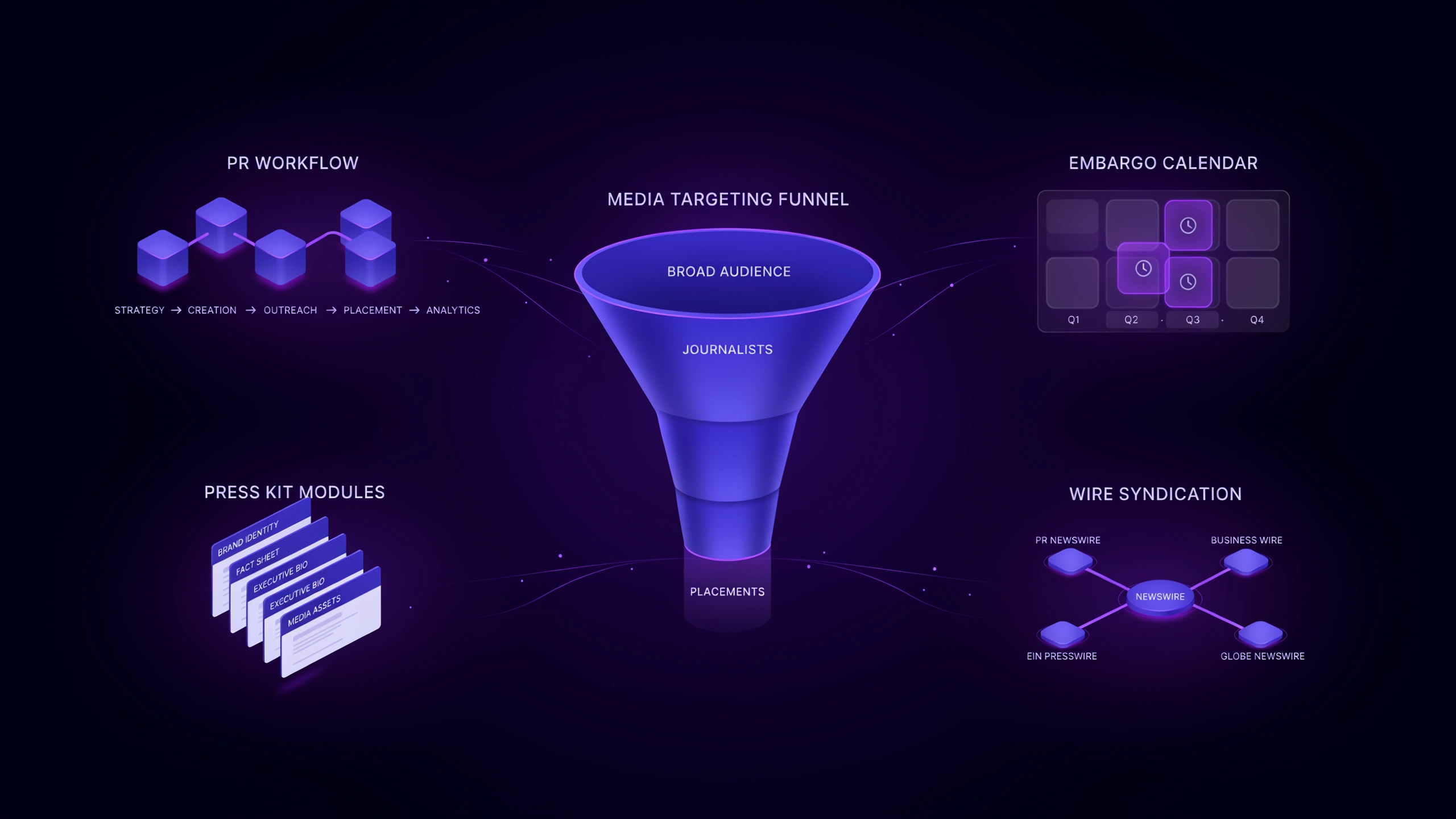
Figure 1: Strategic outreach framework and media targeting workflow.
The 2026 Funding Announcement Playbook: Timing, Embargo Strategy, and Funding Announcement Press Release Structure
Foundations don't earn coverage; execution does. The following is the operational sequence used by the strongest operators in 2026—a repeatable, dated workflow that converts a funding event into a distributed trust event.
The T-minus Announcement Timeline
Treat the announcement like a launch, not a press release. Every milestone has an owner, a deadline, and a go/no-go condition.
| Milestone | Timing | Owner | Go/No-Go Condition |
|---|---|---|---|
| Narrative locked (one-sentence lede) | T-21 days | Founder + PR lead | Can you state the market shift in 15 words without the round size? |
| Press kit complete (fact sheet, HTML release, assets) | T-14 days | Marketing | Three claims independently verifiable in <5 minutes |
| Journalist shortlist scored (see Part 2, Section 2) | T-12 days | PR lead | Each target has a live article from the last 72 days |
| Tier-1 exclusive offered | T-10 to T-7 days | PR lead | Written embargo confirmation received |
| Exclusive briefing call held | T-5 days | Founder | Journalist has the numbers and a named customer reference |
| Secondary embargoed pitches sent | T-3 days | PR lead | 10–15 hand-picked, individually hooked emails |
| Wire draft staged | T-2 days | Marketing | Final release approved; no edits after this point |
| Embargo lifts | T-0, 6 a.m. ET (Tue–Thu) | All | Everything live simultaneously |
| Follow-up wave 1 | T+72 hours | PR lead | Only to non-responders, with a new angle—never a "just bumping" nudge |
Hard rules of thumb:
- Send window: Tuesday–Thursday, 6:00–9:00 a.m. in the journalist's timezone. Friday drops lose roughly a full news cycle to weekend decay.
- Pitch length: 150–180 words in the body. Anything over 200 words gets truncated in mobile preview and skipped in AI triage.
- Follow-up cadence: One follow-up at 72 hours, one final touch at 7 days. Three emails maximum, ever.
- Embargo window: 48–72 hours for a tier-1 exclusive; 24–48 hours for secondary outlets. Never more than 96 hours—it invites leaks and stale interest.
Structuring the Funding Announcement Press Release for 2026
The funding announcement press release has been re-engineered. In 2026 it is a machine-readable fact container first and a narrative second, because it will be scraped, summarized, and cited by generative engines regardless of whether a human reporter ever opens it. The Princeton GEO research is unambiguous: verified statistics lift citation rates up to 37% and authoritative source links up to 40%. Build the release to exploit both.
The 2026 release skeleton:
- Dateline + headline (≤12 words) carrying the number and the outcome: "[Company] Raises $[X]M to Cut [Specific Cost] for [Specific Customer Segment]."
- Subhead with the lead investor and the single most impressive verified metric.
- Lede paragraph (35–50 words): who, how much, from whom, to do what—and one attributable stat.
- The "why now" paragraph: market tension with a linked source. This is the paragraph journalists quote.
- Founder quote that says something a human would actually say—not "we're thrilled to revolutionize."
- Investor quote with a thesis, not a compliment.
- Traction block: ARR, customer count, growth %, retention—each backed by a source link.
- Boilerplate + media contact, then structured data markup (schema.org
NewsArticle+Organization) in the HTML head.
Formatting mandates: HTML, never PDF. Semantic H2s. At least two outbound links to authoritative data. One embeddable chart. No adjective—"leading," "cutting-edge," "revolutionary"—survives the edit. A 2026 reporter's first instinct on seeing "revolutionary" is to close the tab.
Rule of thumb: If your release could describe three other companies with a name swap, it will be covered by zero journalists and cited by zero engines.
Series A PR Launch Strategy: Journalist Fit Scoring, Verified Outreach, and Venture Capital Media Outreach Scripts
A Series A is a different animal than a seed. The story is no longer "promising experiment"—it's "proven traction against a thesis." That raises the bar on verification, and it raises the value of targeting. This is where a disciplined series a pr launch strategy separates from a seed-round scramble: fewer targets, deeper hooks, live evidence.
Step 1: Build the Shortlist from Live Signal, Not a List
Do not start from a purchased database. Start from who is currently writing about your category. The methodology:
- Scan the last 30 days of coverage for your category keywords across tier-1, tier-2, and vertical trade outlets.
- Extract every byline covering your space—not the outlet's generic "tech reporter," but the actual human who filed the piece.
- Check recency: drop anyone who hasn't published in your category in the last 60 days. A beat from 2024 is a guess; a byline from last week is a signal.
- Cross-reference with the reporter's social posts and any recent podcast appearances for extra hooks.
This is the exact workflow Pytch (pytch.cc) automates—instead of a static record, it scans Google News in real time to surface the journalists actively covering your market and verifies their contact details. The difference is material: a reporter who wrote about "cold-chain scheduling gaps" eleven days ago is a pitch you can win; the same name sitting in a stale database with an old beat assignment is a coin flip.
Step 2: Score Every Target (Fit Matrix)
Rank your shortlist on a simple 1–5 scale across four dimensions; pitch only the top-scorers first.
| Score Dimension | What a 5 Looks Like | What a 1 Looks Like |
|---|---|---|
| Recency | Filed in your category in last 14 days | No relevant byline in 6+ months |
| Fit | Their last piece frames the exact problem you solve | Adjacent beat, no category context |
| Reach | Tier-1 or high-authority vertical | Low-authority aggregator |
| Accessibility | Byline + public social presence + verified email | No verifiable contact |
Total the scores. Pitch 18+ first (with the exclusive), 14–17 second wave (embargoed), below 14 never. Depth beats volume every time—fewer, better-researched pitches convert, and each one protects a relationship you'll need for the next round.
Step 3: The Verified Outreach Script (Venture Capital Media Outreach)
Venture capital media outreach in 2026 is relationship-first and evidence-first. Every email carries a specific, quotable hook tied to something the journalist published recently. Here is the reusable template:
Subject: [Company] raised $[X]M to [specific outcome] — [shared angle to [Recent Article Title]]
Hi [First Name],
I read your piece "[Recent Article Title]" on [specific point they made]—your framing of [tension] is exactly the problem we've been solving.
[Company] just closed a $[X]M Series A led by [Investor] to [specific outcome]. The proof point: [one verified metric, e.g., "we cut [cost] 31% across 200 customers, per our pilot data"]. [One sentence on why the market timing matters now.]
We'd like to offer you first look, under embargo until [date/time ET]. I can send the full fact sheet, a customer reference, and [founder] for a 20-minute call this week.
Worth a look?
[Name] | [Title] | [Company] | [phone]
Script discipline:
- 150–180 words. No exceptions.
- One hook, one metric, one offer. Do not stack three story angles—it reads as desperation.
- Named customer reference available on request signals you can pass their verification, which is what actually gets the meeting.
- Embargo stated with a specific date and timezone.
- No attachments on first contact—they get filtered. Offer the fact sheet in the reply.
Step 4: The Follow-Up (72 Hours, New Angle)
Never "just bump." Add value or stay silent:
Hi [First Name]—quick addendum to my note below: [new data point, fresh customer quote, or a market development from the last 48 hours]. Still happy to give you first look if the angle fits your beat. Either way, thanks for the read.
That's it. One addendum, then one final check-in at seven days, then let it go. Persistence past three touches is now a top reason reporters filter a PR contact permanently—the industry discussion through PRWeek and Provoke Media in 2026 treats inbox discipline as a reputational asset.
Static Media Databases vs. Pytch in 2026: Database Freshness, Deliverability, Speed-to-Pitch, Pricing, and ROI Comparison
The tooling decision is not philosophical—it's arithmetic. Here is the honest side-by-side, benchmarked to 2026 realities.
| Dimension | Static Legacy Databases | Pytch (Real-Time AI) |
|---|---|---|
| Database freshness | Records updated on a slow cadence; beat assignments often stale by months | Live Google News scan surfaces journalists by recent byline |
| Deliverability | Bulk lists, higher bounce rates, generic addresses | Verified email addresses, targeted sends |
| Speed-to-pitch | Hours/days to filter a list; guessing at relevance | Minutes from market scan to shortlist with hooks |
| Targeting precision | Beat tags, no live proof of interest | Hook matched to the exact article they just wrote |
| Pricing model | High annual seat license, paid whether you pitch or not | Priced to the workflow; pay for the searches you run |
| Coverage outcome | Broad, shallow, aggregator-heavy | Narrow, deep, relationship-building |
| Best use case | Large comms teams with recurring volume | Founders and lean teams pitching high-stakes moments |
The ROI math. Journalists field roughly 50+ pitches a day and answer around 1 in 5, and the Cision data on pitch response rates confirms the floor is low. If a static database pushes your send-to-response ratio to 1.5% and real-time targeting lifts it to 4–6%, the arithmetic on a Series A is brutal in favor of precision: a single tier-1 anchor piece lands inbound investor, customer, and recruiting value that hundreds of aggregator mentions never will. You don't need more contacts—you need the right ten.
Data-sourcing context: newsroom employment has declined for years per Pew Research Center Journalism, while newsrooms increasingly adopt AI tools for triage. Both trends favor the operator who can prove relevance to a specific, over-stretched beat reporter—and disfavor the operator spraying a stale list.
Pytch Workflow Teardown: Real-Time Google News Scanning, Bespoke Hook Crafting, and Verified Email Delivery
Here is the concrete workflow a founder runs the morning after the round closes, using Pytch (pytch.cc), contrasted against the legacy-database morning.
The Legacy Morning (Static Database)
- Open the database, filter by "AI" + "startups" + "funding."
- Get 400 names, half with generic
newsroom@addresses. - Copy-paste one pitch into the merge fields; send.
- Wait. Watch the bounces climb. Watch the aggregator pick it up. Watch the tier-1 reporter you wanted file a different story at noon because they never saw yours as relevant.
The Pytch Morning (Real-Time AI)
- Real-time Google News scan: Pytch scans Google News for your category keywords and surfaces the journalists who published in your space in the last 72 hours—actual bylines, not legacy beat tags.
- Shortlist + fit check: You see who covered the exact problem you solve, with the article text in front of you.
- Bespoke hook crafting: For each target, Pytch helps you draft the one-sentence connection between their piece and your round—the hook that makes the email feel written-for-them because it was.
- Verified email delivery: Contacts are verified, so the address you send to is the address that reaches the reporter—not a bounce.
- Send within the 150–180 word discipline, embargo stated, follow-up scheduled for 72 hours.
The distinction is philosophical. A static database tells you who was a relevant journalist. Pytch tells you who is relevant, right now, based on what they published this week, and hands you the hook. For a Series A—where the story only lands once—that's the entire game.
Rule of thumb: Any media list older than 60 days is a research project, not a target list. Rebuild from live signal before every major announcement.
Coming in Part 3: The complete pre-flight checklist, teardown of a real 2026 funding announcement that won and one that flopped, the measurement dashboard (coverage quality, citation, and pipeline attribution), FAQs, and the closing action plan.
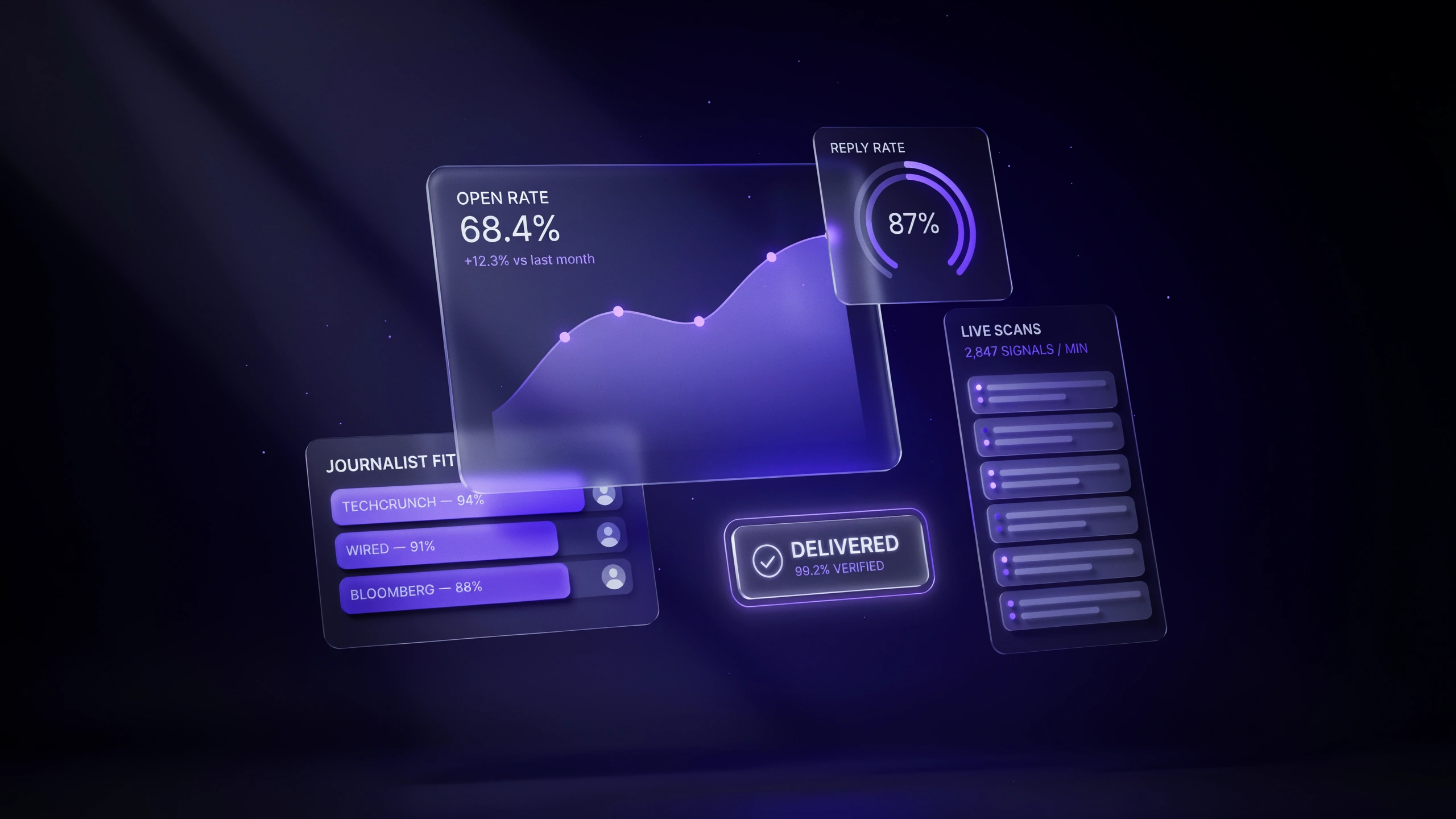
Figure 2: Performance metrics and response tracking across targeted outreach.
Critical Mistakes Founders & PR Teams Make (And How to Fix Them)
Even well-resourced teams botch the announcement. The failure modes below account for the majority of the zero-coverage outcomes we see in 2026—and each has a mechanical fix.
Failure Mode 1: Leading With the Money, Not the Market Shift
The single most common mistake in how to announce a funding round is treating the raise as the story. "We raised $8M" is an event; "a $4B market can finally do X" is a story. Journalists are paid to explain consequence, not to log transactions. Fix it by running every draft lede through a one-question test: if I delete the dollar figure, is there still a reason a reader would care? If the answer is no, you have a wire item, not a pitch. The narrative discipline Harvard Business Review has long advocated—tension first, transaction second—is now a survival requirement, not a nicety.
Failure Mode 2: The Spray-and-Pray Blast to a Stale List
Nothing burns goodwill faster than a generic pitch to 400 addresses pulled from a database last updated in 2024. With reporters fielding 50+ pitches a day and answering roughly 1 in 5, an irrelevant email doesn't just fail—it trains the reporter's filter to discard your name permanently. The fix is ruthless recency filtering: drop anyone without a relevant byline in the last 60 days, and pitch only the ten to fifteen humans who wrote about your exact problem this month. This is precisely the workflow Pytch (pytch.cc) automates—its real-time Google News scan surfaces active bylines, not legacy beat tags, so the list rebuilds itself before every announcement.
Failure Mode 3: Broken or Unenforceable Embargoes
An embargo is a contract. Embed it in a mass blast and it becomes decorative—an invitation to leak. Worse, a single accidental early publication (often by your own investor's blog or a partner's newsletter) torches the relationship with the reporter who honored it. The fix: get written confirmation from each embargoed journalist, run a leak audit across your investors and partners before T-3, and never lift before the confirmed time. Industry coverage through PRWeek and Provoke Media consistently ranks embargo integrity among the top triggers for PR contacts getting filtered forever.
Failure Mode 4: Shipping a Press Kit That Can't Be Verified
If a journalist can't confirm three claims in your kit within five minutes using public sources, the announcement dies in triage—especially as newsrooms adopt AI tools for inbound triage and machines pre-scan your release before a human sees it. "Leading," "revolutionary," and "cutting-edge" are red flags; verifiable metrics and outbound links to authoritative data are green lights. The Princeton GEO research quantifies the stakes: verified statistics lift citation rates up to 37% and authoritative source links up to 40%. Fix it by running an internal red-team review—assign one person to play skeptical reporter and verify every number against a public source before the kit goes live.
The 2026 through-line on failure: Every failure mode above is a verification failure. The journalists and engines that decide your announcement's fate don't punish creativity—they punish unverifiable claims and irrelevant outreach.
The Comprehensive PR Execution Checklist: How to Get Press for Startup Funding in 2026-2027
Use this as a runbook—a literal operating checklist for how to get press for startup funding. Every item maps to the T-minus timeline and scorecard methodology established earlier, recalibrated for 2026 execution and 2027 planning cycles.
Pre-Launch Prep (T-21 to T-3)
- Lock the one-sentence lede: the market shift in ≤15 words, with the dollar figure deleted
- Assemble the data-first fact sheet—round size, lead investor, traction metrics, each with a source link
- Publish the HTML press release with semantic headings and schema.org
NewsArticle+Organizationmarkup (never a PDF) - Shoot and upload founder headshots, customer quotes, and one embeddable explainer chart
- Red-team the kit: verify three core claims against public sources in under five minutes
- Rebuild the media list from live signal—Google News scan for your category over the last 30 days
- Score every target on the 1–5 fit matrix (Recency, Fit, Reach, Accessibility); pitch 18+ first
- Confirm written embargo windows for the tier-1 exclusive (48–72 hrs) and secondary outlets (24–48 hrs)
- Stage the wire draft as backstop—release scheduled after targeted outreach lands
- Leak-audit investors, partners, and board members for the embargo date
Outreach Execution (T-10 to T-0)
- Send the tier-1 exclusive offer first—one outlet, one hook, one metric, verified email only
- Hold the exclusive briefing call; hand over the numbers and a named customer reference
- Send 10–15 individually hooked, 150–180-word pitches to the second wave under embargo
- Double-check timezone in every embargo statement (6:00–9:00 a.m. in the journalist's zone)
- No attachments on first contact—offer the fact sheet in the reply
- Confirm all assets are live before the embargo lifts; no "coming soon" pages
- Fire the wire as backstop at T-plus-zero
Post-Pitch Nurturing (T+72 hrs to T+30 days)
- Wave 1 follow-up at 72 hours—only to non-responders, with a new angle or fresh data point, never "just bumping"
- Final touch at 7 days, then stop. Three emails maximum, ever
- Log every response, bounce, and correction—update your scorecard for the next round
- Send a genuine thank-you to every reporter who engaged, even if no piece ran
- Track coverage quality (anchor pieces vs. aggregator mentions), citation pickup, and inbound pipeline attribution
- Schedule a T+30 retrospective: what hook worked, what list segment over-performed, what to rebuild for Series A
- Feed winners into the live-signal list so your next announcement starts from evidence, not memory
<!-- INTERNAL_CLUSTER_LINKS_START -->Rule of thumb for 2027 planning: Treat this checklist as a living document. The operators who win recurring coverage are the ones who close the loop after every round—logging what worked and rebuilding from live signal, not from the same stale list.
Related Playbooks in the Startup Press & Launch Cluster
Explore connected guides in our Startup Press & Launch semantic cluster:
- How To Get Featured In Forbes: How to Get Featured in Forbes: The 2026-2027 Playbook for Founders, PR Pros & Marketing Teams
- Techcrunch Pitch Embargo Rules: PR Embargo Rules Explained: 2026 TechCrunch Pitch Embargo Rules for Tier-1 Exclusives
- How To Pitch Techcrunch: How to Pitch TechCrunch in 2026: The Ultimate Founder Guide to Landing Startup Coverage
- How To Write A Launch Press Release: How to Write a Launch Press Release in 2026 That Actually Drives Media Coverage
- Startup Press Release Template: Startup Press Release Template: 5 Formats Tech Reporters Won’t Immediately Delete in 2026
Frequently Asked Questions
Q: How long before a funding announcement should I start PR outreach?
Start outreach 10–14 days before your target lift date, with narrative and press kit locked by T-14. That window accommodates a 48–72 hour exclusive for a tier-1 outlet, secondary embargoed pitches at T-3, and the asset readiness checks that prevent embarrassing "coming soon" gaps. Anything shorter than a week effectively forces a wire-only play—the lowest-value option in 2026.
Q: How do I get press for startup funding without an existing media list or PR agency?
You build the list from live signal rather than buying one. Scan Google News for your category over the last 30 days, extract every byline covering your space, and drop anyone without a relevant article in the last 60 days. Pytch (pytch.cc) automates exactly this—surfacing journalists actively writing about your market, verifying their emails, and helping you draft the bespoke hook that ties their recent piece to your round.
Q: Is a press release still worth it for a seed round announcement?
Yes—but as a machine-readable fact container and on-the-record backstop, not as a distribution event. Send targeted, individually hooked pitches to a shortlist rebuilt from live bylines first; release the HTML press release (with schema markup and outbound data links) at T-plus-zero so wire pickup and aggregators follow the coverage rather than preempt it. A release that leads with verified metrics earns citations for months; a boilerplate blast earns nothing.
Q: How do I measure whether a funding announcement actually worked?
Measure three layers, not one. First, coverage quality: anchor pieces quoting your numbers correctly versus shallow aggregator mentions. Second, citation pickup: whether generative engines and syndicators surface your release with verified stats intact (a 37% citation lift from embedded statistics per the Princeton GEO research is the benchmark to watch). Third, pipeline attribution: inbound investor interest, customer demos, and recruiting applications traced to the coverage window.
Conclusion: Scaling Your Media Coverage with Pytch for 2026-2027 Funding Coverage
The 2026-2027 funding announcement has one durable rule: coverage follows verified relevance, not wire spend. You have the playbook—a load-bearing narrative, a machine-legible press kit, disciplined embargo sequencing, and a shortlist rebuilt from live bylines rather than a database sold once and forgotten. What remains is the choose-your-tooling decision that determines whether that playbook runs on intuition or on evidence.
Static media databases tell you who was a relevant journalist when the record was last updated. Pytch tells you who is relevant right now—scanning Google News in real time to surface the bylines actively covering your market, verifying deliverable email addresses, and helping you craft the bespoke hook that ties their most recent article to your announcement. For a seed or Series A—where the story lands once and never again—that precision is the entire game.
<!-- SEMANTIC_CLUSTER_UPGRADED_V2 -->Ready to stop guessing? Run your first media search on pytch.cc—scan live bylines in your category, verify the journalists who are actually writing about your market this week, and build the shortlist that makes your next funding announcement unmissable.