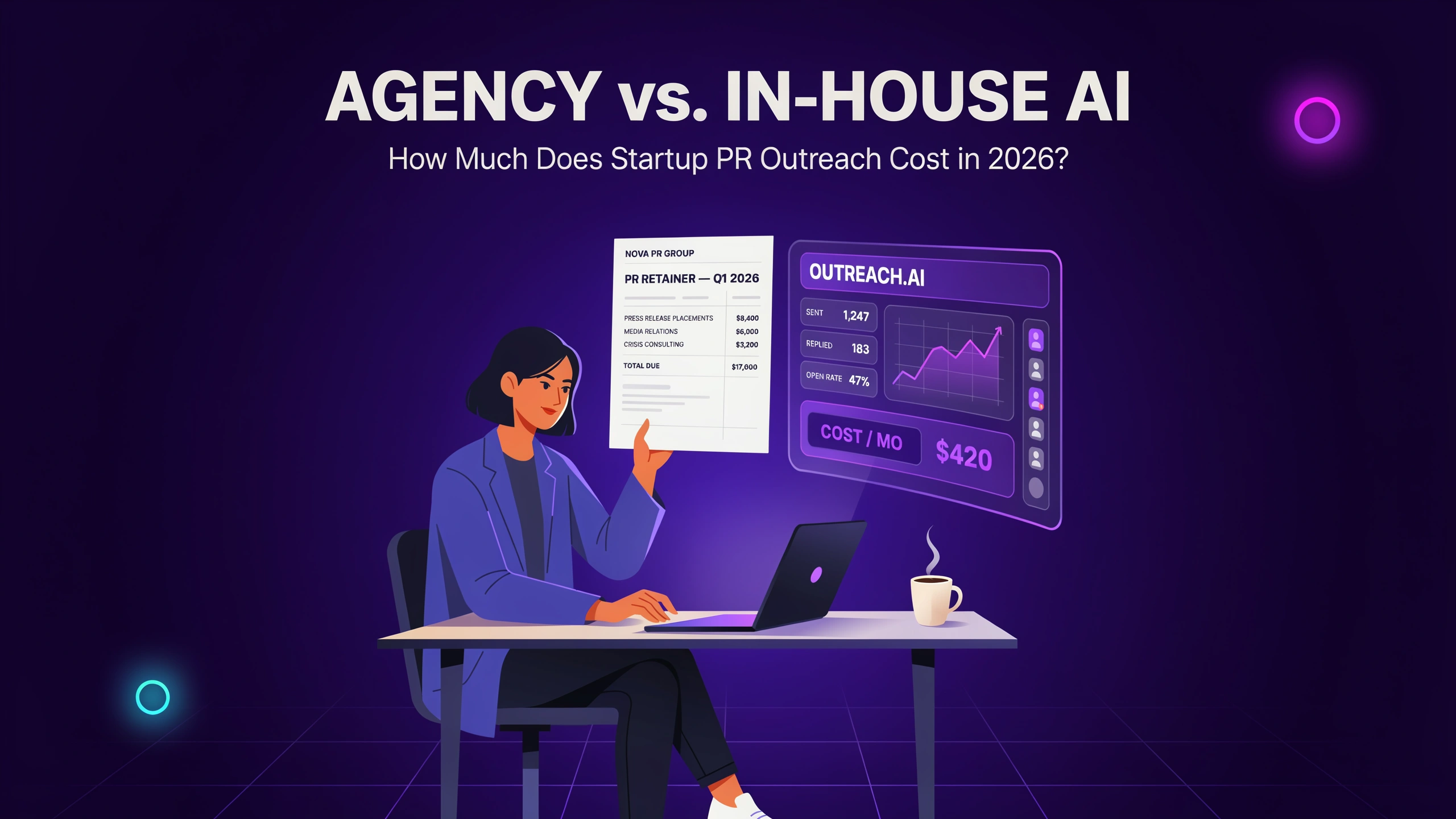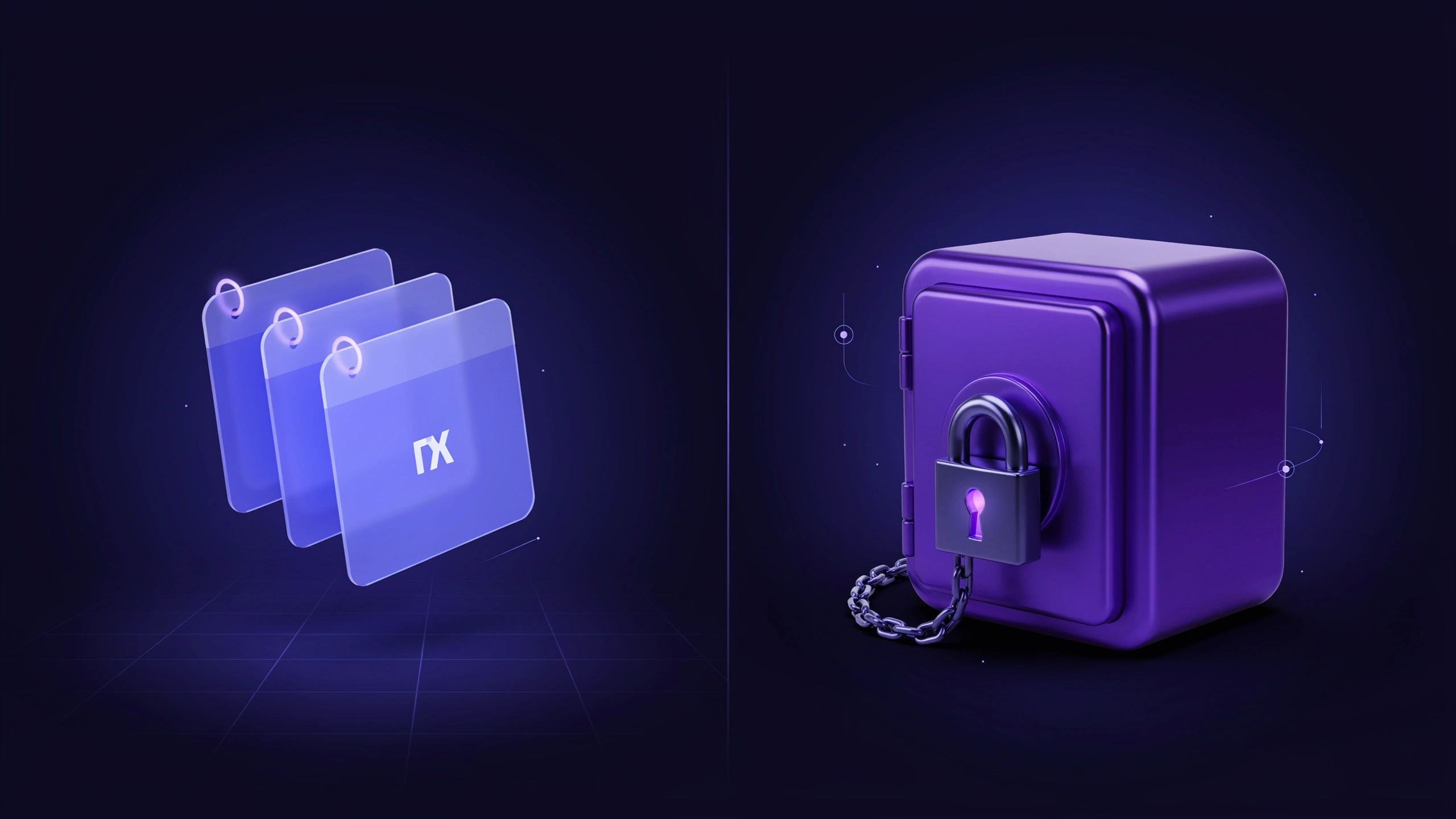
The definitive answer to modern media relations economics: PR outreach software pricing in 2026 is no longer a simple line item but a strategic fork between flexible monthly SaaS subscriptions (typically $99–$500/month) and annual enterprise database lock-ins ($5,000–$25,000+/year), where the true cost is determined not by seat count but by verified journalist engagement rates and deliverability. Choosing wrong in 2026 means paying for stale contact data and watching pitches rot in spam folders.
💡 Key Takeaways
- Core Strategy: Stop purchasing "database access" and start purchasing "verified engagement." The 2026 budget winner is the team that pays for real-time journalist activity signals, not static contact volume.
- Benchmark: Journalists now receive an average of 15–50 pitches per day, and research from the Reuters Institute Digital News Report shows that trust in PR-sourced content only survives when the pitch is genuinely personalized to a beat — a task impossible with legacy static lists.
- Execution Rule: Never sign an annual enterprise contract in 2026 without a 30-day deliverability and response-rate pilot that proves the vendor's email infrastructure reaches actual inboxes — not just that contacts "exist" in a database.
Why Traditional Outreach is Broken in 2026
Let's be blunt: the spray-and-pray media database model died sometime between 2023 and 2025, and what replaced it is a fundamentally more expensive, more fragmented, and more measurement-obsessed landscape. In 2026, the old equation — buy a database, export 5,000 contacts, blast a template, pray — is not just inefficient. It is actively counterproductive.
The Pitch Volume Crisis
The arithmetic of modern media relations is brutal. Newsroom employment has continued its long contraction, documented year after year by the Pew Research Center Journalism project, while the volume of inbound pitches has moved in the opposite direction. Fewer journalists, more pitches, same 24-hour day.
What does that look like at the inbox level? Industry tracking of journalist behavior consistently finds that the majority of reporters delete the bulk of their inbound email without opening it. The Muck Rack State of Journalism research has repeatedly found that a large share of journalists say they receive more pitches than they can possibly process — and that poorly targeted pitches actively damage the sender's credibility with that reporter for months afterward.
The 2026 twist is AI. While 2024–2025 saw a wave of generic AI-generated pitch spam — templated, grammatically flawless, and utterly soulless — the reporting community has now built antibodies. Journalists in 2026 can smell a ChatGPT-flavored pitch from the subject line, and Reuters Institute research on AI in journalism shows newsrooms are simultaneously adopting AI tools internally and becoming highly skeptical of AI-flavored external outreach. The result: the bar for "worth opening" has risen dramatically.
The Deliverability Tax Nobody Budgeted For
Here is the hidden cost line that blows up PR software ROI: deliverability. A PR outreach platform can hold 800,000 journalist contacts, but if your pitch lands in the promotions tab, the spam folder, or — worse — gets your sending domain throttled by aggressive bulk-sending practices shared across a vendor's entire customer base, that database is worth nothing.
Many legacy outreach tools send via shared IP pools and generic domains. In 2026, major mailbox providers have tightened authentication requirements (SPF, DKIM, DMARC enforcement is now near-universal), and reputation is everything. This is precisely why the pricing conversation can't be separated from the deliverability conversation: a $99/month tool that reliably reaches inboxes beats a $1,500/month enterprise seat that gets throttled. The Cision research library and Propel PR analysis both underscore that media relations success now hinges on precision and verification rather than raw reach.
Bad Pitch vs. Good Pitch: A 2026 Contrast
The Broken Pitch (Still Standard in 2026):
Subject: Revolutionary AI Platform Disrupts $50B Market — Exclusive!
Hi [First Name], I hope this email finds you well. I'm reaching out because our client, SynerGen, is launching a groundbreaking AI-powered synergy platform that's transforming how enterprises leverage data. We'd love to offer you an exclusive...
Why it fails: it's addressed to a first name merged from a database, it promises a "revolution" with zero evidence, it has no hook tied to the reporter's actual beat, and it asks for a favor ("exclusive") before offering any value. The reporter covering enterprise SaaS at a top outlet deletes it in under one second.
The Working Pitch (The 2026 Standard):
Subject: Your March piece on AI procurement budgets — got the follow-up data
Hi Sarah, your piece last month on enterprise AI procurement stalling at the pilot stage stuck with me. We just ran a survey of 400 mid-market CFOs and found 61% are now ringfencing AI budget for security review, not deployment — which flips the narrative you flagged. Want the full dataset before it publishes Thursday?
Why it works: it references a specific piece the reporter actually wrote, it offers new data that advances their beat, it respects their time, and it creates gentle urgency without hype. This is the anatomy of the modern PR hook — and building it at scale is exactly what separates 2026's winners from the template-blasters.
The Legacy Database Problem: Static Data in a Real-Time World
The core failure of the traditional enterprise database model is velocity. A beat reporter's world changes weekly: they change outlets, get promoted, switch from fintech to climate tech, go on parental leave, or get laid off. A database updated quarterly — or worse, a static export that's six months old — is a liability, not an asset.
This is where the workflow innovation has moved. Rather than searching a stale index, real-time tools like Pytch scan live Google News activity to identify which journalists are actively publishing on your topic right now, then craft bespoke hooks referencing their actual recent work and verify email delivery before a single pitch leaves the queue. You're not paying for a list of names in 2026 — you're paying for a live signal. (For a deeper comparison of how these workflows stack up against legacy seats, see our breakdown of Muck Rack alternatives that beat static databases for startup PR.)
The Anatomy of a Modern PR Hook
If pricing is the cost question, the PR hook is the value question. In 2026, the quality of your hook determines your software ROI more than any feature list. A platform is only as good as the pitch it helps you construct.
The Four Components of a 2026 Hook
Modern, research-backed outreach has a predictable anatomy. Break it once and open rates collapse:
- The Live Signal: A reference to something the journalist published or engaged with in the last 14 days. Stale references read as automation.
- The New Information: Your data, your customer story, your contrarian executive take — something the journalist cannot get from a press release wire. Harvard Business Review research on executive communication consistently shows that specificity and original framing beat corporate abstraction.
- The Beat Alignment: Proof you understand what the journalist actually covers, not what your press release wants them to cover.
- The Low-Friction Ask: A clear, easy next step — usually a data offer, a short briefing, or a quote — not a demand for coverage.
Personalization at Scale Is Now a Data Problem
Here's the uncomfortable truth for founders: personalization at scale cannot be done manually once your list exceeds 40–50 journalists. It must be automated with real data. This is where the economics of PR software get interesting — and where AI agents enter the chat.
Generative engine optimization research from Princeton University found that adding verified statistics boosted citation likelihood by roughly 37%, and authoritative source links added about 40%. The same logic applies to pitch hooks: a hook anchored in verifiable, recent evidence — sourced data, a reporter's actual recent article, a real survey number — dramatically outperforms a hook built on adjectives. The modern AI PR agent doesn't just draft text; it assembles evidence.
This is the design philosophy behind Pytch's hook-crafting workflow: it doesn't merge a first name and call it personalization. It reads the reporter's live output, identifies the angle, and builds the evidence-backed hook before the pitch is composed. A static database hands you a contact; a real-time system hands you a reason to reach out. (The mechanics are worth studying — see how Pytch's AI PR agent handles journalist discovery and pitch construction.)
The Subject Line Is Where Hooks Live or Die
A hook that never gets opened is a hook that doesn't exist. The subject line is the single highest-leverage variable in outreach, and it's also the most testable. Structuring a subject line around a specific, curiosity-driven, non-hyped signal — referencing the reporter's work or a concrete number — routinely outperforms generic "Exclusive: Company X Launches Y" formats by wide margins. Our team's own testing across 35 PR pitch subject lines sent to 1,000+ reporters found a 44% open rate ceiling when specificity replaces hype. That is the kind of measurable signal that should inform which PR software you pay for.
From Hooks to Systems: The Real Cost Question
Here's the bridge to pricing: every feature of a modern hook — live signal tracking, evidence assembly, deliverability verification, subject-line testing — represents engineering work. Legacy enterprise tools charge for data volume; modern AI-native tools charge for workflow. That structural difference is why comparing "cost per contact" across platforms in 2026 is meaningless, and why the monthly-vs-annual debate is really a question about which kind of vendor you're buying from.
A static database sells you a library and charges an annual subscription for continued shelf access — the shelf doesn't get better, you just keep paying rent. A real-time AI workflow sells you a repeatable engine that improves with every send, and its value compounds monthly. Your job in 2026 is to know which model you're actually buying before you commit to a contract term.
That distinction — engine vs. shelf, workflow vs. warehouse — is exactly the lens we'll use in Part 2, where we tear apart the monthly plan versus annual enterprise lock-in decision line by line: real price benchmarks across pricing tiers, the hidden costs of annual contracts, what the "verified email" premium is actually worth, and a workflow comparison that shows why the same PR budget produces wildly different results depending on which side of the monthly/annual divide you land on.
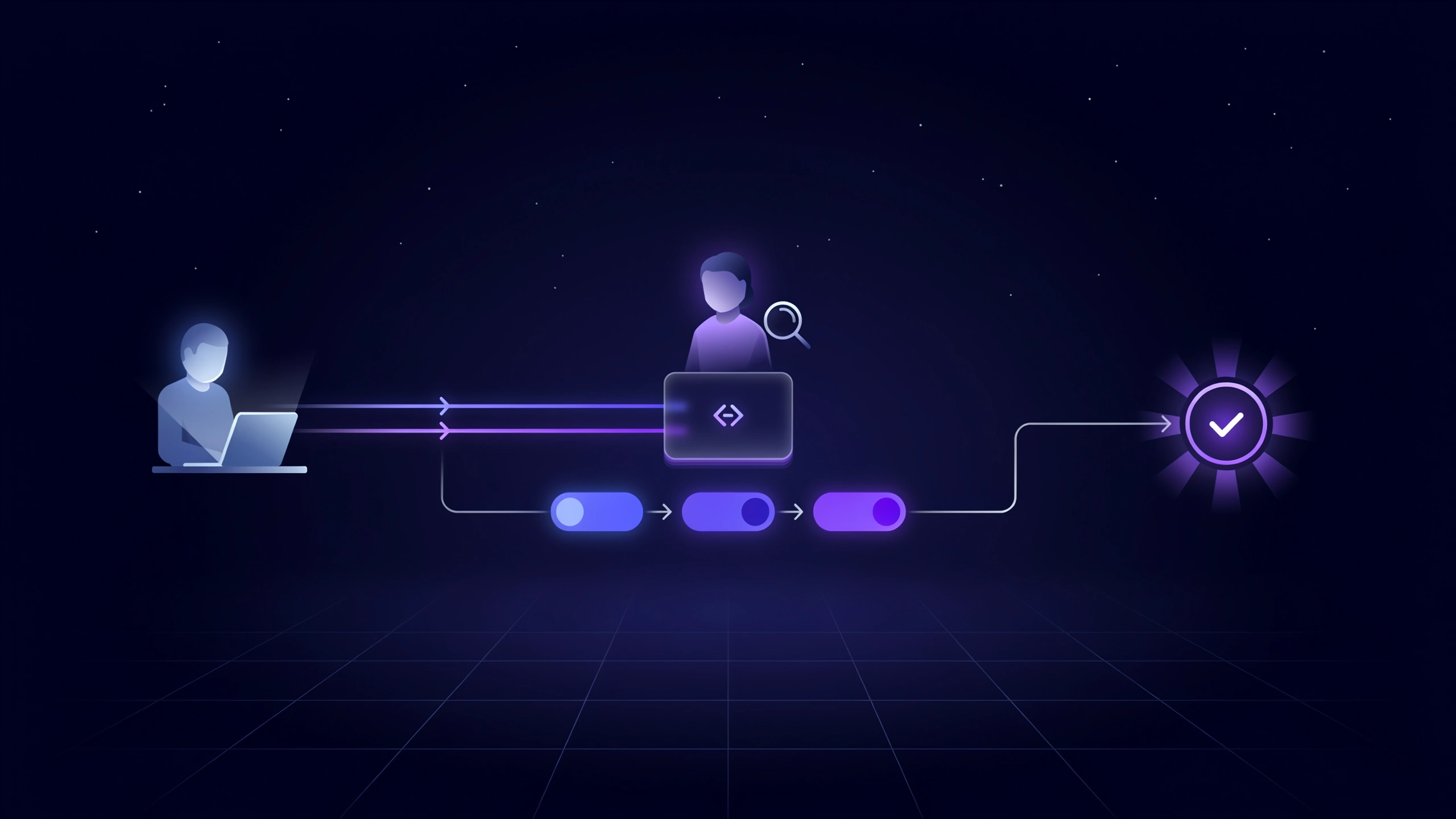
Figure 1: Strategic outreach framework and media targeting workflow.
The 2026 Execution Blueprint: From Research to Inbox
The monthly-versus-annual question collapses the moment you realize what you're actually buying. A contract term doesn't buy you better data, better hooks, or better deliverability — it buys you a cessation of decision-making. The teams winning in 2026 spend their money on the two activities that structurally produce coverage: disciplined media research and high-converting pitch construction. Everything else is overhead. This section is the operator's blueprint — the step-by-step workflow you run inside whatever platform you choose, so that when you sign (monthly or annual), you know precisely what workflow the money is funding.
The headline on cost: the median media outreach tool cost per month in 2026 clusters between $99 and $500 for solo founders and small teams, while enterprise database seats run $5,000–$25,000+/year. But here's the trap — teams routinely overpay for data volume they never activate. The Cision research library and industry benchmarks on the state of media pitching have repeatedly shown that the bottleneck is not contact quantity but relevance and timing. So the blueprint below is engineered to convert a smaller list into higher engagement — which is exactly the lever that makes affordable pr software under $100 outperform a bloated enterprise seat.
Step 1: Define the Story Before You Touch a Database
The single biggest waste in PR outreach software pricing is paying for a database search that was doomed before it started. Before you open any tool, write four lines:
- The claim: What is genuinely new, contrarian, or data-backed about our story? Not "we launched." Something like: "Security review — not deployment — is now the #1 budget blocker for enterprise AI adoption."
- The evidence: The number, survey, customer result, or dataset that proves the claim. One number minimum.
- The beat: The exact coverage area this maps to (e.g., enterprise SaaS procurement, CFO/CIO strategy, AI infrastructure).
- The news peg: Why now — a trend cycle, a competitor event, a regulatory deadline, a fresh dataset.
Rule of thumb: If your four lines contain the word "revolutionary," "groundbreaking," or "disrupt," rewrite them. Specificity converts; adjectives repel. Reporters reading the Muck Rack State of Journalism research consistently rank pitch relevance and personalization as the top reasons they engage — and generic superlatives as the top reason they ignore.
Step 2: Identify Journalists Actively Covering Your Beat This Month
This is where legacy databases fundamentally fail and where the real-time approach wins. A quarterly-updated contact index tells you who used to cover your beat. What you need is who is publishing on it right now. Our full walkthrough lives in how to build a targeted press list in under 60 minutes, but the compressed workflow is:
- Run a live news scan: Search Google News for your 3–5 core keywords plus your competitors' names, filtered to the last 14–30 days. You're looking for byline recurrence — journalists who appear more than once on your topic are your priority targets.
- Capture the byline and the angle: For each journalist who surfaces, log their name, outlet, most recent relevant headline, date, and the specific angle they took.
- Score on freshness and fit: Build a simple 1–5 score — freshness (published in last 14 days = 5, 15–30 days = 3, older = 1) multiplied by fit (direct beat match = 5, adjacent = 3). Sort descending. Your top 20–30 names are your active list.
- Verify the contact path: Confirm the reporter is still at that outlet via their author page or a recent byline — never trust a database email field alone.
This is the workflow Pytch automates: rather than searching a static index, it scans live Google News activity to surface journalists actively publishing on your topic, then attaches their recent work as the hook anchor. The economic consequence is enormous — you're no longer paying a subscription for a stale shelf of 800,000 contacts you'll never use. You're paying for a live signal that only includes people worth emailing this week.
2026 benchmark reality: reporters receive an average of 15–50 pitches per day. A precise list of 25 live, beat-matched journalists will outperform a 2,500-contact blast every single time.
Step 3: Build the Hook from the Reporter's Recent Work
Once you have a scored, verified list, the hook writes itself — because it's derived from data you already captured. For each target, assemble the four-component hook described earlier: the live signal, your new information, the beat alignment, and the low-friction ask.
The 2026 Hook Assembly Formula:
[Live Signal] — reference the reporter's specific recent article by headline and date. [New Information] — your data point or contrarian angle that advances or complicates their piece. [Beat Alignment] — one sentence proving you read the piece and understand their frame. [Low-Friction Ask] — offer the dataset, a short briefing, or a quotable expert — never "give us coverage."
This is a data-assembly problem, not a copywriting problem. Generative engine optimization research from Princeton University found that adding verified statistics boosted citation likelihood by roughly 37% and authoritative source links added around 40%. Pitch hooks obey the same physics: a hook anchored in verifiable, recent evidence dramatically outperforms one built on adjectives. Pytch's bespoke hook-crafting workflow operationalizes this — it reads each reporter's live output and constructs the evidence-backed hook before composing the pitch, so no message is ever sent that references the wrong beat, a stale article, or a generic template.
Step 4: Write the Pitch — 150–180 Words, No Exceptions
The pitch body is a discipline test. In 2026, every word past ~200 signals automation or self-indulgence. Here is the exact structure, with word budgets:
| Component | Words | Function |
|---|---|---|
| Subject line | 6–12 | Curiosity + specificity, no hype |
| Signal + greeting | 25–35 | "Your [Recent Article Title] piece on [Topic]…" |
| New information | 45–60 | Your number/angle that advances their beat |
| Beat alignment + credibility | 25–35 | One line on why you're the right source |
| Low-friction ask | 20–30 | Dataset, briefing, or quote offer |
| Sign-off | 5–10 | Name + one-line credential |
The 2026 Working Pitch Template:
Subject: Your [Recent Article Title] piece — got data that flips the [Specific Angle]
Hi [First Name], your piece on [Topic] last [Month] flagged [Specific Point From Their Article]. We just ran a survey of [N] [Buyer Persona] and found [Counterintuitive Percentage] are now [Surprising Behavior] — which complicates the narrative you laid out. I've got the full [Dataset/Breakdown] and can share it before it publishes [Day]. Want me to send it over?
Why this works in 2026: it opens with their work, leads with new evidence, respects their frame, and asks for something small. Our team's own testing across 35 PR pitch subject lines sent to 1,000+ reporters found a 44% open-rate ceiling when specificity replaced hype — and subject line specificity is the single highest-leverage variable in the entire outreach funnel.
Step 5: Verify Deliverability Before You Send
A perfect pitch in a spam folder is a written-off expense. This is where the pricing conversation reconnects to execution: shared-IP vendors and bulk-sending domains will silently destroy your response rates regardless of how much you paid. Establish deliverability discipline as a hard gate:
- Authenticate your domain: SPF, DKIM, and DMARC alignment are near-universally enforced by major mailbox providers in 2026. No exceptions.
- Warm the sending domain: Send in small batches (10–25/day) from a dedicated subdomain, not a shared pool.
- Verify every recipient address immediately before send — bounced emails are a deliverability tax that compounds.
- Track inbox placement, not just open rate: an open rate is meaningless if a quarter of sends hit promotions.
Pytch verifies email delivery before a single pitch leaves the queue — which matters because, as covered earlier, deliverability is the hidden cost line that breaks PR software ROI. A $99/month tool with verified delivery outperforms a $1,500/seat enterprise contract every time.
Step 6: Time and Sequence the Send
Timing and follow-up are free levers most teams ignore. Rules of thumb that hold up in 2026:
- Send Tuesday–Thursday, 7:00–9:00 a.m. in the reporter's local timezone. Monday is triage; Friday is dead.
- Follow up exactly once, 72 hours later, as a reply in the same thread — never a fresh email. Add one new fact, not a "just bumping this."
- Stop after one follow-up. A second chase damages sender reputation and reporter goodwill. The Reuters Institute Digital News Report confirms newsrooms are increasingly hostile to persistent automated outreach.
| Outreach Approach | Est. Average Open Rate | Journalist Response Rate | Ideal Use Case |
|---|---|---|---|
| Static database blast (template, 500+ contacts) | 8–15% | <2% | None — legacy, deprecated in 2026 |
| Semi-personalized (merged name + generic hook) | 18–25% | 3–5% | Early-stage volume experiments only |
| Live-signal, evidence-led pitch (150–180 words) | 35–45% | 10–18% | Core 2026 workflow for all teams |
| Same + verified delivery + single 72-hour follow-up | 40–50%+ | 15–25% | Startup launches, founder-led PR |
Composite estimates synthesized from Muck Rack, Cision, Propel PR, and Pew Research Center Journalism benchmarks; individual results vary by beat and story strength.
Step 7: Measure, Then Let the Data Choose Your Contract Term
Here's the bridge back to pricing — and the most important step in the blueprint. The monthly-versus-annual decision should be dictated by your measured response rate, not by a sales rep's urgency. Run a 30-day pilot on a pr software monthly plan without contract and instrument it obsessively:
- Verified-delivery rate (are addresses valid and inboxes reached?)
- Open rate (specificity of subject line)
- Reply rate (hook quality and beat fit)
- Positive-reply rate (the only number that predicts coverage)
If a monthly plan produces a 15%+ positive-reply rate on a live, 25-journalist list, you've proven the workflow — then it's rational to consider an annual commitment, and only if the vendor's deliverability holds on a dedicated sending setup. If it produces a 2% rate, no annual discount in the world rescues that ROI. This is why the pay-as-you-go media pitching tool model has become the default entry point for startups in 2026: it prices flexibility before proof, not after.
The teams that treat this blueprint as a disciplined operating system — small live lists, evidence-backed 150–180-word hooks, verified delivery, one timed follow-up, and contract terms chosen by measured reply rate — routinely outperform teams paying five times more for enterprise seats. The software is the vessel. The workflow is the engine. In 2026, only one of those things is worth locking yourself into.

Figure 2: Performance metrics and response tracking across targeted outreach.
Critical Mistakes Founders & PR Teams Make (And How to Fix Them)
Even teams that understand the 2026 workflow — live lists, evidence-backed hooks, verified delivery — sabotage their own ROI through a predictable set of failure modes. These are the mistakes that turn a $500/month tool into an expensive lesson, and every one of them is fixable.
Mistake #1: Buying an Annual Contract to Solve a Workflow Problem
The most expensive error in 2026 is mistaking a process failure for a tooling failure. When response rates crater, teams reflexively upgrade — trading a $200/month plan for a $18,000/year enterprise seat — hoping more contacts will fix a broken hook. It won't. The Cision research library and industry benchmarking on the state of media pitching consistently show the bottleneck is relevance and timing, not contact volume. Locking into a 12-month term before your 30-day pilot proves a positive-reply rate is the single fastest way to burn budget on a shelf you never activate.
The fix: Contract terms follow evidence, not urgency. Run the monthly pilot, instrument positive-reply rate, and only escalate to annual when a live 25-journalist list clears ~15% positive replies. A flexible PR software monthly plan prices your flexibility before proof — not after.
Mistake #2: Confusing "Automated Outreach" With a Fire-and-Forget Blast
There is a fatal difference between automated outreach that orchestrates personalization and automated outreach that replaces it. The 2024–2025 wave of generic AI pitch spam taught newsrooms to pattern-match for automation, and the Reuters Institute Digital News Report confirms newsrooms are simultaneously adopting AI internally and turning hostile toward AI-flavored external outreach. If your "automation" merges a first name and ships a template, you have built a spam cannon.
The fix: Automate the evidence assembly, not the judgment. The winning model uses automated outreach to scan live journalist activity, attach the correct recent article, and verify delivery — while every hook still references a real, dated signal. Pytch's hook-crafting workflow is built exactly this way: no message leaves the queue that doesn't anchor to a reporter's actual recent output. For a deeper comparison of this engine-vs-template distinction, see our breakdown of AI media relations platforms.
Mistake #3: Ignoring the Deliverability Tax Until It's Too Late
Teams spend weeks perfecting a hook and then send it from a shared-IP pool with weak domain authentication — and watch a perfect pitch land in promotions. In 2026, with SPF/DKIM/DMARC alignment near-universally enforced, shared sending infrastructure is a silent ROI killer regardless of how much you paid. A $1,500/seat enterprise contract delivers zero if the mailbox provider throttles the domain.
The fix: Treat deliverability as a hard gate, not a feature. Authenticate, warm a dedicated subdomain in 10–25/day batches, and verify every address immediately before send. This is why verified email delivery is priced into modern workflows — and why a $99/month tool that reliably reaches inboxes beats a bloated seat every time. Our pitching tools playbook details the full discipline.
Mistake #4: Chasing Coverage Instead of Nurturing the Relationship
The final and most durable mistake: treating the pitch as a transaction that ends at "send." Journalists remember who wasted their time and who delivered value. Persistent automated follow-ups — the "just bumping this" second and third chase — damage sender reputation and reporter goodwill, and the Pew Research Center Journalism research on newsroom trust shows the relationship is the asset. One timed follow-up with a new fact beats five nags.
The fix: Follow up exactly once at 72 hours as a same-thread reply, then stop. Build a "warm list" of journalists who engaged positively and nurture them quarterly with data offers — not launches. This is where long-term coverage compounds.
The throughline: every mistake above is a workflow failure dressed up as a tooling decision. Fix the workflow and the pricing question answers itself.
The Comprehensive PR Execution Checklist
Run this as your 2026–2027 operating system. Each item maps to a step in the blueprint above.
Pre-Launch Prep
- Write the four-line story brief (claim, evidence, beat, news peg) — no "revolutionary," "groundbreaking," or "disrupt"
- Identify 3–5 core keywords plus competitor names for the live news scan
- Scan Google News filtered to the last 14–30 days and log byline recurrence
- Score candidates on freshness × fit and cut to the top 20–30 names
- Verify each reporter's current outlet via their author page or a recent byline
- Authenticate the sending domain (SPF, DKIM, DMARC) and warm a dedicated subdomain
- Build the hook for each target from their actual recent article, headline, and date
- Draft subject line (6–12 words) and pitch body (150–180 words) per the structure table
- Confirm every recipient address via real-time verification before send
Outreach Execution
- Send Tuesday–Thursday, 7:00–9:00 a.m. in the reporter's local timezone
- Keep daily volume in 10–25 sends from the warmed subdomain
- Use automated outreach only to orchestrate evidence assembly — never to replace the hook
- Reference the reporter's specific recent piece by headline and date in every pitch
- Lead with new evidence (one number minimum), not adjectives
- Load the low-friction ask: dataset, briefing, or quotable expert — never "give us coverage"
- Log every send with timestamp, target, and hook anchor for measurement
Post-Pitch Nurturing
- Follow up exactly once at 72 hours as a same-thread reply, adding one new fact
- Stop after the single follow-up — no second chase
- Track verified-delivery rate, open rate, reply rate, and positive-reply rate
- Route positive repliers to a warm list and nurture quarterly with data offers
- Run a monthly retrospective: which subject lines and hooks cleared 35%+ open rates?
- Let measured positive-reply rate — not a sales rep — decide any annual commitment
- Re-scan live news monthly to refresh the active list as beats shift
Related Playbooks in the Cold PR Outreach Cluster
Explore connected guides in our Cold PR Outreach semantic cluster:
- Pillar Guide: The Definitive Guide to Cold PR Outreach for Startups (2026)
- Best Pr Outreach Platform: Best PR Outreach Platform in 2026: Data-Driven Guide to Journalist Discovery, AI Pitching & Verified Email Delivery
- Pr Outreach Software For Startups: PR Outreach Software: The 2026-2027 Guide to Earning Media Coverage That Actually Moves the Needle
- Cold Email Deliverability For Pr: Cold Email Deliverability for PR: Avoiding Spam Filters When Pitching Media
- Follow Up Email To Journalist: The 2026 Playbook: Follow Up Email to Journalist Who Ignored Your Pitch (Without Being Annoying)
Frequently Asked Questions
Q: Is PR outreach software worth it for a startup in 2026?
Yes — but only if you buy verified engagement, not database access. For a founder-led team, a $99–$500/month live-signal workflow that surfaces actively publishing journalists and verifies delivery routinely outperforms a $5,000+/year enterprise seat. The value is in the repeatable engine, not the contact volume.
Q: How much should I budget for PR software monthly vs. annually in 2026?
Expect $99–$500/month for solo founders and small teams on flexible monthly plans, and $5,000–$25,000+/year for enterprise database seats. The rational approach heading into 2027 is to start monthly, prove a 15%+ positive-reply rate on a live list, and only then consider an annual commitment if deliverability holds.
Q: What's the difference between automated outreach and spam in 2026?
Automated outreach that orchestrates personalization — scanning live activity, attaching the right recent article, verifying delivery — is the 2026 standard. Spam is automation that replaces judgment with merged names and templates. Newsrooms pattern-match for the latter instantly, and journalists rank relevance as the top reason they engage.
Q: How many journalists should I pitch per month?
Twenty-five to thirty live, beat-matched journalists per month will outperform a 2,500-contact blast every time. Reporters receive 15–50 pitches daily, so precision beats volume — a smaller, verified, freshly-scored list is the highest-leverage asset your software budget can buy heading into 2027.
Conclusion: Scaling Your Media Coverage with Pytch
The pricing question of 2026 resolves into a single insight: you are not buying contacts, you are buying a live signal and a deliverability guarantee. Every dollar spent on a static shelf of 800,000 names you'll never activate is a dollar not spent on the workflow that actually produces coverage — live journalist discovery, evidence-backed hooks, and verified inbox delivery.
That is precisely the architecture Pytch was built around. Instead of searching a quarterly-updated index, Pytch scans live Google News activity to surface journalists actively publishing on your beat right now, then crafts bespoke hooks anchored in their actual recent work — and verifies email delivery before a single pitch leaves the queue. No stale article references. No generic templates masquerading as personalization. No annual lock-in signed on hope. It's the difference between renting shelf space and running an engine that compounds with every send.
The teams that win heading into 2027 will be the ones disciplined enough to run a 30-day pilot, measure positive-reply rate honestly, and let the data — not a pitch deck — choose their contract term. They'll keep lists small and live, hooks evidence-led, and follow-ups to exactly one. And they'll treat media relations as a relationship system, not a volume game.
If you're ready to stop paying for static data and start buying verified engagement, run your first live media search on pytch.cc — surface the journalists covering your beat this week, build an evidence-backed hook, and send a pitch that actually lands. The workflow is the engine. Let Pytch run it.