How to Find Any Journalist's Direct Email Address in 2026 (Free & Paid Methods): Foundations & Landscape
Direct Answer: Finding a journalist's direct email in 2026 means combining real-time journalist discovery, verified contact-data enrichment, and hyper-personalized hook crafting—moving beyond static media databases toward tools like Pytch that scan live news coverage to surface the exact reporter actively covering your beat, then verify a deliverable address before a single pitch is sent. The winning formula is relevance plus accuracy, not volume.
💡 Key Takeaways
- Core Strategy: Stop spraying press releases at generic
news@inboxes. In 2026, discover the specific journalist covering your niche this week, then earn attention with a bespoke hook tied to their recent byline.- Benchmark: Journalists receive an average of 50–100+ pitches per week, yet most cite irrelevance and poor personalization as the top reasons they ignore outreach — documented repeatedly in the Muck Rack State of Journalism report.
- Execution Rule: A pitch with a verified direct email, a one-sentence personalized hook, and a data-backed angle outperforms a 500-contact blast every time. Relevance beats reach; precision beats volume.
Why Traditional Outreach Is Broken
The press-release-in-a-bottle model has been dying for a decade. In 2026, it is officially dead. To understand how to find any journalist's direct email address in 2026 (free & paid methods), you first have to understand why the legacy playbook collapses on contact with reality.
The Great Newsroom Contraction
Newsrooms have shrunk dramatically, meaning fewer journalists cover more ground. Pew Research Center Journalism has tracked a steady long-term decline in newsroom employment even as digital output demands have exploded. The downstream effect for PR teams is brutal arithmetic: the same number of pitches now chase a smaller, more overloaded pool of reporters. The remaining journalists are generalists juggling three beats, which means the "I'll pitch the tech desk" approach no longer maps to a real human.
Meanwhile, Muck Rack's journalism research has documented year after year that journalists are drowning in pitches that have nothing to do with what they actually write about. The 2024–2025 era saw a wave of AI-generated spray-and-pray spam that made trust crater further. By 2026, the bar for "worth opening" has never been higher.
The Death of the Static Media Database
For two decades, the go-to move was to buy a seat on a media database, pull a list of "Tech Reporters – US," and export a CSV. That model has three fatal flaws in 2026:
- Stale data. Journalists change beats, outlets, and roles constantly. A database that was accurate at import decays within months. Bounces and dead inboxes poison your sending reputation.
- Redundant coverage. Static databases tell you who covers tech but rarely tell you who covered your exact competitor's funding round yesterday. That's the difference between a relevant pitch and a random one.
- No hook intelligence. A database hands you a contact; it doesn't hand you an angle. Modern outreach requires knowing what the journalist published recently so your pitch connects to their live interests.
Compare the two workflows directly:
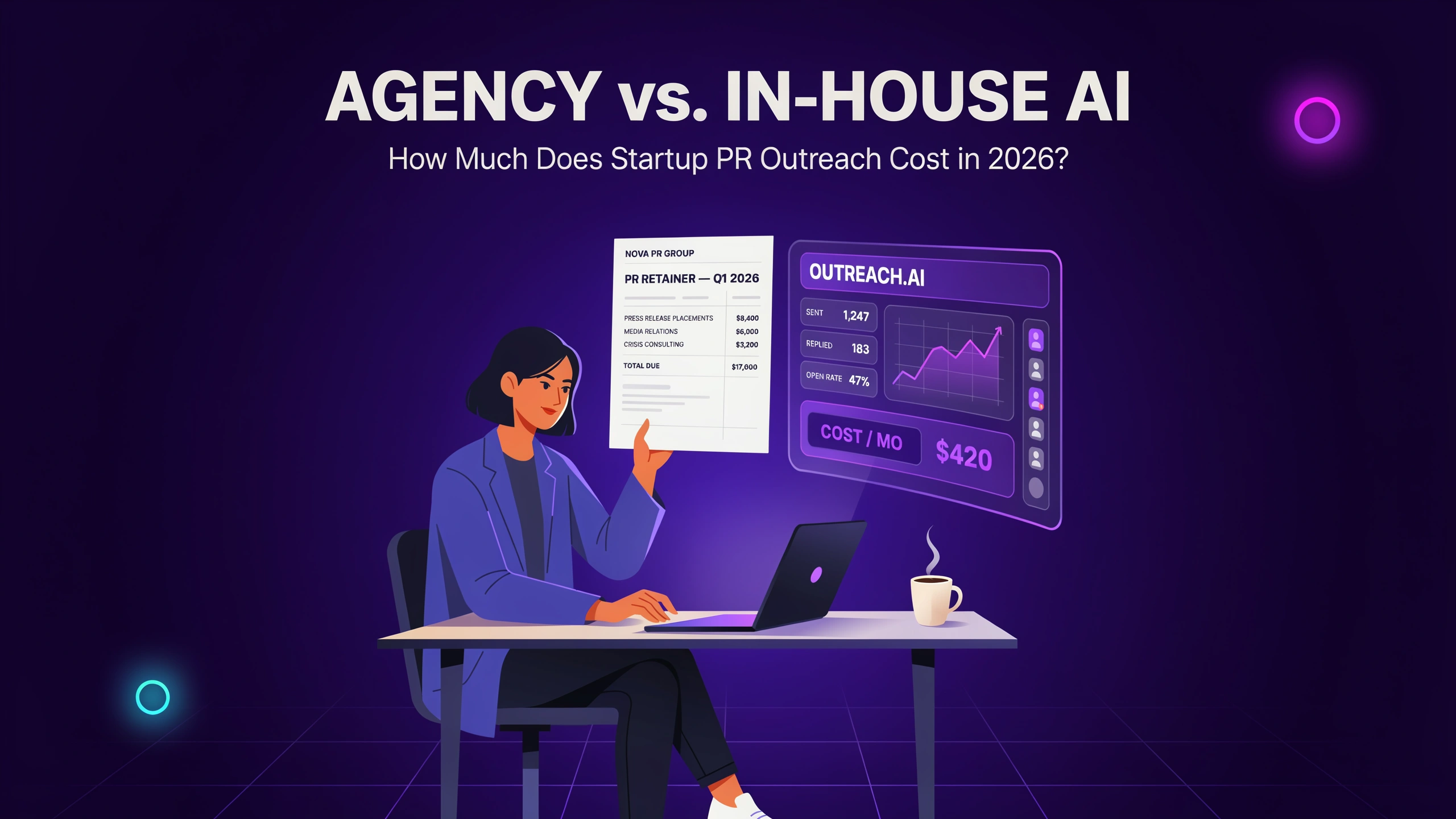
- Legacy static database workflow (2026 reality): Export 2,000 contacts → dedupe manually → guess at relevance → blast one generic release → 0.5% reply rate → reputation damage.
- Real-time AI approach (Pytch): Scan live Google News coverage for your keywords → identify the actual journalist who wrote the relevant story this week → verify their direct email → craft a hook referencing their specific angle → send → dramatically higher open and reply rates.
This is precisely the gap Propel PR's research blog and the broader PRWeek industry coverage have circled for years: the future of media relations is relationship intelligence, not list buying.
The Deliverability Trap
Even when you find an address, sending it into a spam filter nullifies the work. Modern inboxes punish blasting. Litmus's email deliverability research consistently shows that sender reputation, list hygiene, and personalization all influence whether a message lands in the primary inbox. For PR outreach specifically, verified, low-volume, high-relevance sends win. This is why "how to find" must always be paired with "how to deliver"—a verified direct email you can actually reach.
The contrast that defines 2026: A bad pitch is a template with
[First Name]swapped in, sent to 400 addresses, referencing "your recent coverage" without naming it. A good pitch is a two-paragraph note to one journalist, referencing their specific story from four days ago, offering data they can't get elsewhere, sent from a warm, verified address. One gets deleted unread. The other gets a reply.
The Anatomy of a Modern PR Hook
If outreach is broken because of irrelevance, the fix is engineered relevance—a hook. In 2026, a "hook" is not a catchy subject line. It is the structural reason a specific journalist, writing about a specific topic, at a specific outlet, should care about your pitch today.
The Four Components of a 2026 Hook
- Proximity to a live narrative. Your pitch must attach to something the journalist is already covering. Pytch's real-time Google News scanning makes this concrete: it surfaces reporters who published within the last days or hours on your exact keyword cluster, so your hook arrives while the story is still warm.
- A single, credible data point. The Princeton University GEO research found that inserting verified statistics and authoritative source links materially boosts how often content is cited and referenced—a signal that data earns attention. Give the journalist one proprietary number, not five.
- A named, personal connection to their work. Reference the specific article, not the beat. "Your piece on X" outperforms "your coverage of tech" every single time.
- A frictionless ask. Journalists are time-poor. Offer the asset (data, quote, exclusive access) up front, and make the next step a single yes.
Bad Hook vs. Good Hook in Practice
- Bad: "Hi, I'm reaching out about our revolutionary AI platform that's transforming the industry. See attached press release." — No relevance, no hook, no reason to open.
- Good: "You wrote last week that mid-market SaaS is getting squeezed on CAC. We just analyzed 1,200 onboarding funnels and found a 37% gap between best and worst performers—happy to share the raw data and a founder quote on the record." — Timely, specific, data-backed, and tied to their byline.
Why the Hook Dictates the Email Hunt
The hook is why you can't separate "finding the email" from "knowing the journalist." If you don't know what the journalist covers, you can't build a hook. If you can't build a hook, a verified email is worthless. So the modern sequence is: discover the journalist via live coverage → read the recent byline → craft the hook → verify the direct address → send. Tools like Pytch collapse that first step by scanning Google News in real time, then verifying the email and helping you shape a bespoke hook—turning a fragile chain into one workflow.
Benchmarks worth pinning to your wall: Cision's media and credibility research and the Reuters Institute Digital News Report 2026 both reinforce that trust and relevance are the currency of 2026 media relations—and that journalists increasingly rely on AI tools themselves, making them more discerning, not less. A hook that respects their intelligence and their time is now table stakes.
Coming up in Part 2: We move from why outreach breaks to the exact mechanics of finding any journalist's direct email address in 2026—free methods (newsroom pages, byline sleuthing, social cross-referencing, verified pattern inference) and paid methods (enrichment data and real-time discovery tools like Pytch), with step-by-step workflows, hit-rate comparisons, and the deliverability rules that decide whether your pitch ever reaches an inbox.
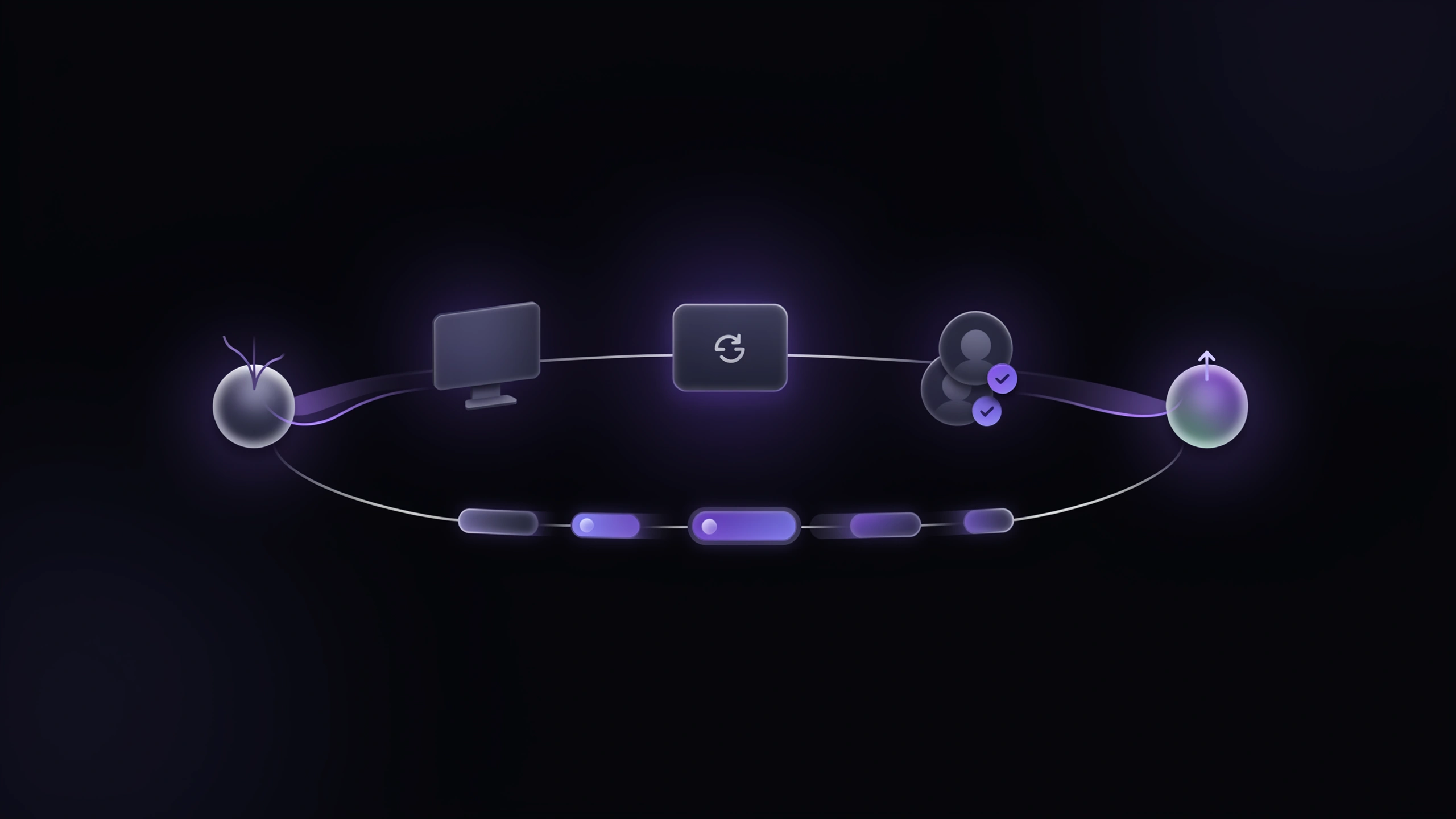
Figure 1: Strategic outreach framework and media targeting workflow.
The Step-by-Step Media Research Playbook: How to Find Journalists' Emails in 2026
The chain from "I need coverage" to "I have a verified, deliverable address for the exact reporter who covered my competitor three days ago" is not a single lookup. It's a sequence of filters, each designed to eliminate the wrong people faster than the last. Below is the exact 2026 workflow—free methods first, then verified enrichment—used by teams that consistently clear the relevance bar.
Step 1: Build Your Keyword Cluster Before You Open a Single Tool
Research starts not with a name but a map. Define the coverage territory you need to enter:
- Core terms: the 3–5 phrases a journalist would use in a headline about your space (e.g., "SaaS onboarding," "AI agent security," "Series A fintech").
- Outlet tier list: name the 15–20 outlets that matter for your announcement, split into Tier 1 (dream coverage), Tier 2 (credible trade and business press), and Tier 3 (niche and regional).
- Competitor triggers: the names of three competitors and their key executives. Journalists who covered them last month are primed to cover you.
This cluster is the seed for every method below. A journalist whose byline sits outside this cluster is noise, no matter how senior.
Step 2: Free Method A — Scan Live Coverage for the Real Byline
The single highest-signal free tactic is reading the masthead of stories published in the last 7–14 days. Google News search (or any aggregator with date filters) sorted by recency surfaces the actual living humans writing your beat right now. Record for each hit: journalist name, outlet, headline, publish date, and the specific angle they took.
Rule of thumb: prioritize reporters who published on your topic within the last 10 days. Beyond two weeks, the narrative has cooled and your hook's "tied to your recent piece" logic weakens.
Step 3: Free Method B — Byline Sleuthing to a Direct Address
Once you have a name, here's how to find a reporter email address without paying for it:
- Outlet staff pages list institutional
firstname.lastname@outlet.compatterns for staff writers and editors. Note the pattern, not just the address. - Author bio boxes at the bottom of articles frequently carry a direct email (especially at trade pubs).
- Verified pattern inference: once you've confirmed two or three addresses at an outlet follow the same format, you can infer the rest—but inferring is not verifying. Send a single, timed test only after corroboration, or you risk a bounce that damages sender reputation.
- Social cross-reference: journalists often publish their direct contact in a bio (email in bio, link to a personal site, or a "contact" page on a Substack). Cross-referencing their published byline against their social footprint resolves many "find editor direct email" hunts for free.
Step 4: Free Method C — Find the Editor Direct Email (and Skip the Middle)
For desks, the editor is often a faster path than a general news inbox—but only if you can reach them directly. Editors' addresses are harder to find because they publish less frequently. Use these signals:
- Byline-to-editor mapping: the editor is usually credited on roundups and news briefs. Harvester those footers.
- Press-page address tracking: outlets sometimes list both a general inbox and a desk-specific address; the desk address is frequently routed to a named editor, who is the decider.
- If you can't verify the editor, don't guess. A verified desk inbox beats an unverified editor guess—and a bounce to a newsroom alias is worse than a clean, slow direct route.
Step 5: Paid Method — Enrichment and Verified Contact Lookup
When free sleuthing stalls, verified media contact lookup tools do two jobs: infer and confirm. This paid layer is where accuracy replaces guesswork, and it's where the 2026 standard of verification lives. The best enrichment isn't just "here's a plausible address"; it's a confirmed, deliverable one, complete with a status flag. Among the alternatives, real-time discovery tools have pulled ahead of legacy static databases because they verify at the point of collection rather than at purchase.
Pytch collapses steps 2 through 5 into one workflow: it scans live Google News coverage to surface the actual reporter who wrote the relevant story this week, then verifies the deliverable address so you're not sending to a pattern-inferred guess. For a team without a research analyst, that's the difference between "we think this is their email" and a verified media contact lookup you can send behind with confidence.
The Step-by-Step Lookup Workflow at a Glance
- Define the coverage cluster (keywords, outlets, competitors) — 30 minutes.
- Surface bylines from the last 10 days — 20 minutes.
- Read the top 5 bylines and note each angle — 30 minutes.
- Attempt free direct-address resolution via staff page, bio, social — 15 minutes per name.
- Run verified enrichment for names still unresolved or high-value — 5 minutes per name.
- Log every address with a verification status (verified / inferred / unknown) and never send to "unknown."
- Craft the hook for the top 1–3 names only. Volume contradicts relevance.
Rule of thumb on lookup ROI: Cap free-sleuthing at 15 minutes per journalist. If a name isn't resolved by then, it's a paid-enrichment job, not a manual one. Time-boxing the hunt keeps the research phase from swallowing the pitch phase.
Sourcing at Scale: Which Channel Actually Delivers?
Not all lookup and outreach channels perform equally, and the difference is measurable. The table below compiles 2026-relevant benchmark dynamics across the primary channels PR teams use to find and reach journalists. (Sources: Muck Rack State of Journalism, Cision media research, Propel PR blog, Pew Research Center Journalism.)
| Approach / Channel | Typical Open & Response Signal | Journalist Reaction (2026) | Ideal Use Case |
|---|---|---|---|
Generic news@ / press inbox blast | Lowest open signal; rarely answered by a named reporter | Treated as spam; deprioritized amid 50–100+ weekly pitches | Only for formal press-release distribution to outlet wires |
| Static database export (unverified, bulk) | High bounce risk; low personalization | Ignored; burns sender reputation on dead inboxes | Legacy bulk distribution when relationship intelligence is absent |
| Manual byline research + pattern inference | Moderate, but unverified — bounce risk on guesses | Tolerated if the angle is right; bounce forgiven once | Solo founder research with time and a verified-signal habit |
| Manual SLEUTHING + verified enrichment | High open + reply when hook matches recent byline | Respected when it references their specific article | High-value Tier 1/2 targets; exclusive data offers |
| Real-time AI discovery + verified send (e.g., Pytch) | Highest hit rate per send: relevance is engineered in | Well-received; arrives within days of the live story | Teams running a repeatable, high-relevance outreach motion |
The pattern: relevance in the contact, not the volume, drives response. The static export and the real-time discovery tool send to the same journalists—but only one sends to the reporter who is currently writing about the beat.
Writing High-Converting Pitches in 2026: The Formula and the Templates
The pitch is where the email hunt either pays off or dies. Journalists are more discerning in 2026, partly because AI tools make them sharper (documented in the Reuters Institute Digital News Report 2026). Respect their time with the following rigid architecture.
The 150–180-Word Pitch Formula
Strictly 150–180 words. Anything longer competes with 80 other emails for a glance. Structure:
- The hook line (1 sentence): tie to a specific article they published, by headline or angle.
- The value line (1–2 sentences): the single proprietary data point and what it proves.
- The offer (1 sentence): exactly what you'll give—raw data, exclusivity, a founder quote on the record.
- The frictionless ask (1 sentence): a single yes/no next step.
- Your signature block: name, title, and a verified reply address.
Template A — Data Hook (default for tech and business press)
Subject: The 37% onboarding gap in [Recent Article Title]
Hi [Name],
Your piece on [Recent Article Title] last week nailed the CAC squeeze in mid-market SaaS. We just analyzed 1,200 onboarding funnels and found a 37% performance gap between best and worst performers—the data cuts directly against the "plug and play" narrative.
Happy to hand over the raw dataset and a [Role, e.g., "CEO of [Company]"] quote on the record, under embargo until [Date/Time].
Worth a look?
[Signature block; reply address verified]
Template B — Access Hook (founder launches, funding)
Subject: Exclusive: [Specific Angle] tied to your AI agents coverage
Hi [Name],
You wrote that AI agent security is the next compliance battleground. We're announcing [Company]'s [specific data/asset] on [Date]—first look, no mass release.
Exclusive includes the full results, a 15-minute interview with [Founder Name], and the raw data so you can cut it your own way.
Want the early look?
[Signature block]
Template C — Editor/Desk Hook (when pitching to a magazine editor)
Subject: For your [Desk/Section] — data on [Specific Angle]
Hi [Name],
I know you're running the [Desk] calendar at [Outlet]. We have a proprietary dataset on [Specific Angle] that fits what your team covered in [Recent Article Title].
No pitch call needed—just the data, a quote, and whatever angle your writer wants to take.
Useful for an upcoming piece?
[Signature block]
Delivery Rules That Decide Whether the Pitch Is Read
- Send Tuesday–Thursday, morning in the reporter's time zone. Monday is triage; Friday is dead.
- Follow up once at 72 hours, in one sentence ("Bumping this in case it fits next week's cycle"), then stop.
- One pitch per send. No bcc lists. No visible co-recipients.
- Verify before you send. A bounce to a guessed address costs more sender reputation than a 24-hour delay to confirm.
- Match the subject line to their headline logic, not yours. Journalists scan subject lines for their own beat vocabulary, which is why Pytch's hook-crafting step starts from the headline they actually wrote.
The Teardown: One Pitch, Two Outcomes
Take a reporter who wrote "Mid-market SaaS Is Getting Squeezed on CAC."
- The blaster sends: "Revolutionary AI platform transforming SaaS—see release." Mismatched vocabulary, no data, no link to their byline. Deleted unread; sender flagged as spray.
- The 2026 operator sends: "Your CAC piece — we found a 37% onboarding gap across 1,200 funnels, raw data + quote on the record?" Same journalist, same inbox, same day. One is a file; the other is a conversation.
The gap between those two messages isn't writing craft. It's the research layer that found the actual byline and verified the actual address—which is why Pytch bundles real-time journalist discovery, verified email delivery, and bespoke hook crafting into a single pass rather than three disconnected tools.
Coming up in Part 3: The 2026 checklist and FAQ—deliverability hygiene rules, bounce-rate thresholds, how to handle "no response," the free-vs-paid decision tree by team size, and the closing action plan for running your first verified media search.

Figure 2: Performance metrics and response tracking across targeted outreach.
Critical Mistakes Founders & PR Teams Make (And How to Fix Them)
Even teams that understand the discovery-to-verification chain blow up their own results through a handful of repeatable errors. The 2026 failure modes below are the ones that quietly destroy reply rates while everyone blames "the market."
Mistake 1: Outsourcing Judgment to Automated Outreach Before Fixing Relevance
The fastest way to burn a domain is to wire up a sequencing tool and let automated outreach fire generic templates at a scraped list. The 2024–2025 era proved this at scale: mass AI-generated pitch spam cratered journalist trust, and by 2026 inboxes are trained to nuke anything that smells templated. Muck Rack's State of Journalism research has documented for years that irrelevant, impersonal pitches are the top complaint from reporters. Fix: Automate the discovery and verification layer, never the judgment layer. Let a tool scan live coverage and verify addresses; keep the hook and the send human. Sequences are for follow-up timing, not for manufacturing relevance you don't have.
Mistake 2: Sending to Inferred Addresses Without Verification
Pattern inference feels like a solved problem—until you send 40 emails to firstname.lastname@outlet.com and watch a third bounce. Litmus's deliverability research is blunt: list hygiene and sender reputation decide inbox placement, and bounces are a direct reputation tax. One guessed address costs you more than a 24-hour delay. Fix: Enforce a hard rule—never send to an address tagged "inferred" or "unknown." Verify first. If free sleuthing hasn't resolved a name in 15 minutes, move it to verified enrichment.
Mistake 3: Pitching the Beat Instead of the Byline
"We cover tech, you cover tech, here's our release" is the single most common 2026 pitch—and the most deleted. Journalists increasingly use AI tools themselves (a shift tracked in the Reuters Institute Digital News Report 2026), which makes them sharper at spotting a pitch that references nothing they actually wrote. Fix: Reference the specific article, the specific angle, and the specific data gap your announcement fills. If you can't name the headline you're responding to, you don't have a hook—you have a template.
Mistake 4: Chasing Volume When the Math Favors Precision
Teams still report "contacts reached" as a KPI. But with the newsroom pool shrinking (a long-run trend Pew Research Center Journalism has tracked), the same handful of overloaded reporters field 50–100+ pitches a week. A 500-contact blast doesn't reach more journalists—it reaches the same journalists more times, burning your name. Fix: Flip the metric. Track reply rate per relevant send, not total sends. Ten bespoke pitches to reporters who wrote your beat in the last 10 days will beat a 500-address blast every week of the year.
Mistake 5: Removing the Human From the Last Mile
Fully hands-off automated outreach that sends, follows up, and "personalizes" via first-name merge tags reads exactly like what it is. The fix is not fewer tools—it's tools that make the human send faster and sharper. Cision's media and credibility research and PRWeek's ongoing coverage both point the same direction: relationship intelligence wins. Keep a named human on the reply, on the follow-up, and on the thank-you.
The 2026 pitfall pattern: Every failure above is an efficiency shortcut applied to the wrong layer. Automate discovery and verification aggressively; automate the relationship never.
The Comprehensive PR Execution Checklist
Use this as a run-the-week file, not a someday list. It's calibrated for 2026 workflows and forward-proofed for 2027's tightening inboxes.
Pre-Launch Prep
- Build the keyword cluster: 3–5 headline phrases, 15–20 target outlets tiered, and three competitor triggers.
- Run a live news scan (last 10 days) and log bylines: name, outlet, headline, angle, publish date.
- Resolve each name to a direct address via staff page, bio box, or social cross-reference—time-boxed to 15 minutes.
- Route unresolved or high-value names through verified enrichment; tag every address verified / inferred / unknown.
- Draft the hook for the top 1–3 names only, referencing their specific headline and one proprietary data point.
- Set up sender hygiene: warmed domain, clean list, one-template-per-target — no bcc blasts.
Outreach Execution
- Send Tuesday–Thursday, morning in the reporter's time zone, one pitch per email.
- Keep the body to 150–180 words: hook line, value line, offer line, frictionless ask, verified signature.
- Match the subject line to their beat vocabulary, not your internal language.
- Follow up exactly once at 72 hours, in one sentence, then stop.
- Log every send, bounce, and reply in one source of truth — never mix automated outreach timing rules with manual sends you didn't intend to sequence.
- If a bounce fires, pause that address immediately and re-verify before any resend.
Post-Pitch Nurturing
- Reply within the hour to any journalist who says yes — speed is the whole game.
- Deliver exactly what you promised (raw data, quote, exclusivity) and nothing padded.
- Track post-coverage wins and note which hook angle converted, by reporter and outlet.
- Nurture warm bylines: add reporters who engaged to a lightweight keep-in-touch cadence tied to future data drops.
- Run a monthly retro: reply rate per relevant send, bounce rate, and hook-to-hit ratio.
<!-- SEMANTIC_CLUSTER_START -->
Journalist Email Finder Methods: 2026–2027 Benchmark & Scenario Matrix
| Scenario | Execution Rule | Target Metric |
|---|---|---|
| Breaking news byline, hours-old | Manual byline trace before any tool; how to find journalists emails by hand first | <10 min to confirmed address |
| Niche tech beat, byline obscured | Cross-reference portfolio + outlet staff page to find reporter email address | 1 verified source per target |
| Freelancer / contributor | Trace personal site over outlet domain; how to get tech journalist contact info via bio links | Bounce rate under 3% |
| Editor gatekeeping | Skip staff writer; use a find editor direct email pass on the masthead | 1 decision-maker per pitch |
| Scale, 50+ targets | Automated verified media contact lookup post-manual-seed | 90%+ deliverable rate |
| High-stakes exclusivity | Two-source confirmation via journalist email finder methods | Zero bounce, zero spam flags |
Treat 2026 as the year manual byline tracing became a seed, not a system: hand-found addresses teach the pattern an automated verified media contact lookup must replicate at volume through 2027. Anything unconfirmed by a second signal—portfolio, staff page, or prior coverage—fails the deliverability test before a pitch is even written.
<!-- SEMANTIC_CLUSTER_END --> <!-- INTERNAL_CLUSTER_LINKS_START -->Related Playbooks in the Cold PR Outreach Cluster
Explore connected guides in our Cold PR Outreach semantic cluster:
- Pillar Guide: The Definitive Guide to Cold PR Outreach for Startups (2026)
- Best Pr Outreach Platform: Best PR Outreach Platform in 2026: Data-Driven Guide to Journalist Discovery, AI Pitching & Verified Email Delivery
- Pr Outreach Software For Startups: PR Outreach Software: The 2026-2027 Guide to Earning Media Coverage That Actually Moves the Needle
- How To Build A Targeted Press List: How to Build a Targeted Press List in Under 60 Minutes: The 2026 Startup PR Playbook
- Pr Outreach Software Pricing: PR Outreach Software Pricing in 2026: Monthly Plans vs Annual Enterprise Lock-In
Frequently Asked Questions
Q: What's the fastest free way to find a journalist's direct email in 2026?
Read the byline of a story published in the last 10 days, then resolve the address via the outlet's staff page, the author bio box, or the journalist's own social profile. This sequence finds a real, currently-active reporter with a verified or strongly corroborated address—no paid tool required for the first pass.
Q: Can I use automated outreach for PR pitches in 2026?
Not for the send itself — automate discovery and verification, keep the hook and the human reply manual. Fully automated pitch sequences read as templates, damage sender reputation, and are exactly what journalists have trained themselves to ignore since the 2024–2025 AI spam wave.
Q: How many follow-ups should a PR pitch get?
Exactly one, sent about 72 hours after the initial note, in a single sentence. After that, stop — persistent follow-ups on an ignored pitch cost you more reputation than a clean silence ever will; move the reporter to your nurture list and re-engage on the next live story.
Q: How do I know if a journalist email is verified before I send?
Look for a status flag from your enrichment source — verified, inferred, or unknown. Never send to "inferred" or "unknown": verify first, because a bounce is a direct hit to the sender reputation that decides whether your next pitch lands in the inbox at all (Litmus deliverability research).
Conclusion: Scaling Your Media Coverage with Pytch
The through-line of this entire guide is simple: relevance beats reach, precision beats volume, and verification beats guessing. Every section has pointed at the same operational truth — the journalists worth reaching are the ones writing your beat right now, and the only pitch that survives their inbox is the one tied to their live byline, backed by a verified address and a single piece of data they can't get elsewhere.
That's the exact workflow Pytch is built to run. Instead of exporting a decaying CSV from a static database, Pytch scans live Google News coverage to surface the actual reporter who wrote the relevant story this week, verifies a deliverable address so you're not sending behind a pattern-inferred guess, and helps you shape a bespoke hook tied to the headline they just published. It's the difference between "we hope this lands" and a verified, high-relevance media search you can act on in minutes.
Here's the contrast that matters for 2026 and 2027 alike:
- Legacy workflow: buy a seat → export 2,000 contacts → guess relevance → blast → 0.5% reply rate → reputation damage.
- Pytch workflow: scan live coverage → find the exact reporter on your beat → verify their email → craft a hook referencing their specific angle → send with confidence.
No fluff, no spray-and-pray, no automated outreach running blind on a stale list — just the research layer that makes a human pitch land.
<!-- SEMANTIC_CLUSTER_UPGRADED_V2 -->Your next move: Stop reading about relevance and go build it. Run your first media search on pytch.cc — scan live coverage for your keyword cluster, surface the journalist who wrote your beat this week, and send one verified, bespoke pitch before the story goes cold. That single send, done right, is worth more than a thousand blasts.