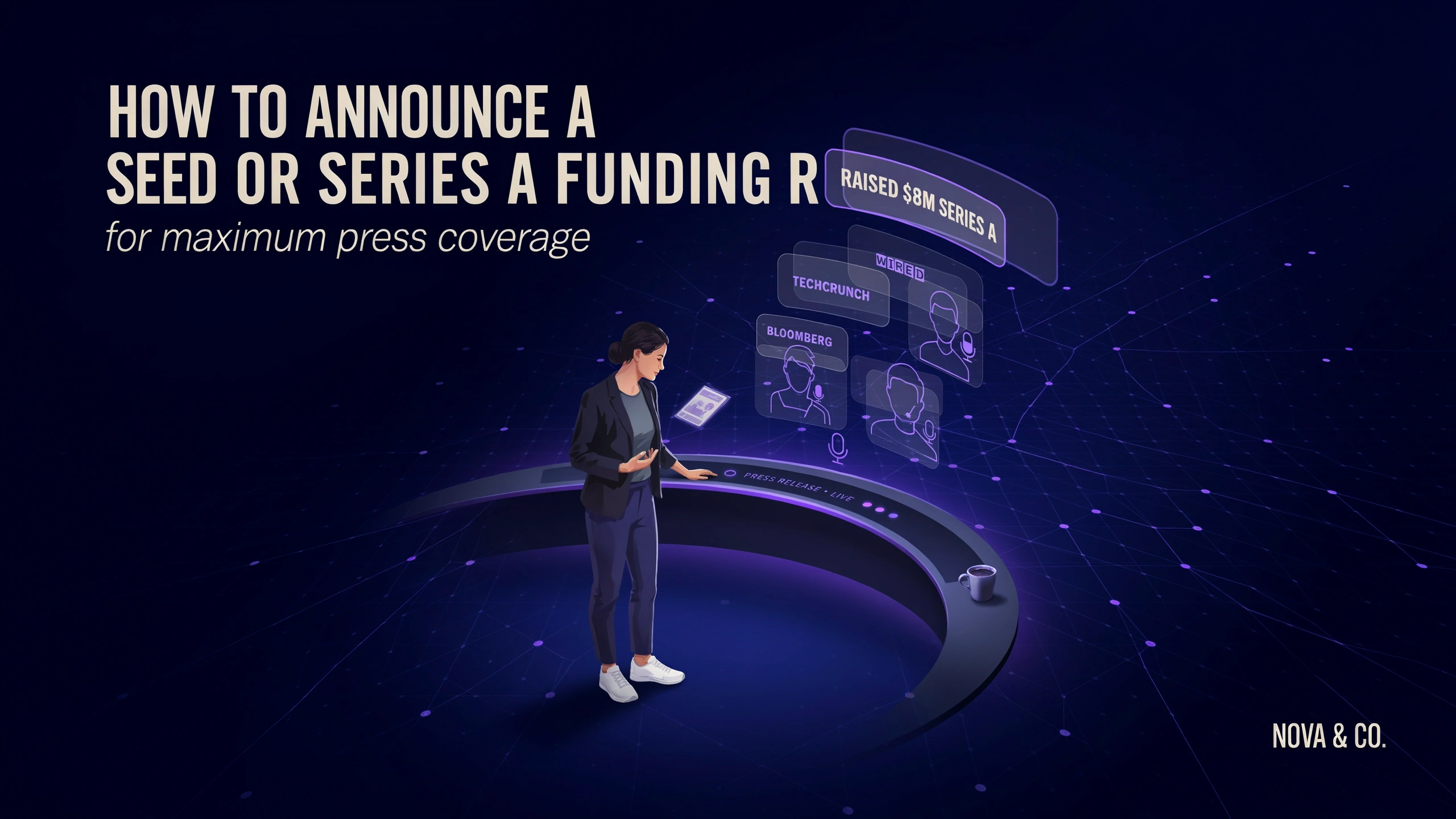
PR embargo rules, explained for 2026: An embargo is a time-bound agreement in which a journalist receives news early in exchange for publishing no earlier than an agreed date and time. An exclusive is a broader guarantee that no other outlet gets the story at all. TechCrunch's operative standard in 2026 is blunt — a broken embargo forfeits access, and an "exclusive" pitched to five outlets is no exclusive at all.
💡 Key Takeaways
- Core Strategy: Treat the embargo as a contract with a single named journalist and editor — never as a mass-blast scheduling convenience. The 2026 tier-1 press exclusive is won on specificity of the story, not volume of outreach.
- Benchmark: Roughly 40–50% of journalists say they receive 50+ pitches per week, and the overwhelming majority report AI-written pitches as an active credibility red flag (Muck Rack State of Journalism). Verified statistics lift citation likelihood by roughly 37% (Princeton GEO research).
- Execution Rule: Send the embargo terms in the first three lines of the email — date, time (with timezone), the named reporter, the editor of record, and the consequence of a break. If you cannot name the reporter and the editor, you are not ready to send.
The 2026 Embargo Reality: Why Tier-1 Newsrooms Still Reward Real Exclusives
The economics of journalism in 2026 have made the embargo more valuable, not less. Newsroom headcounts remain structurally depressed versus the 2010s peak, while the volume of inbound pitches has exploded — much of it now machine-generated. The result is a barbell: fewer humans triaging a larger, noisier pile. Under those conditions, the only pitches that survive triage are the ones that reduce a journalist's risk. An embargo, properly executed, does exactly that: it hands a reporter confirmed facts, a named spokesperson, and a safe window to report before the public clock starts.
The AI pitch flood has inverted the value of credibility
While 2024–2025 saw a wave of generic AI spam swamp tier-1 inboxes, 2026 demands hyper-personalized relevance as table stakes. Journalists have adapted fast: they pattern-match for tell-tale AI cadence — the "I hope this finds you well," the three-paragraph throat-clear, the suspiciously frictionless value proposition. The Muck Rack State of Journalism research consistently shows that journalists rank relevance to their beat and a real, named human above everything else, and that trust in PR relationships is built on predictability rather than cleverness. Pew Research Center's journalism research documents the audience-side corollary: readers are migrating toward sources with visible editorial accountability, which makes a tier-1 placement worth more positioning equity than a dozen syndicated pickups.
This is the context in which the embargo becomes a signal. A well-formed embargo says: we have real news, we chose you specifically, we will not burn you. A malformed embargo says the opposite.
💡 A 2026 embargo is not a scheduling tool. It is a reputational instrument. Break it once and you are on a mental blocklist no media database will ever record.
What the 2026 tier-1 newsroom actually looks like on the receiving end
Consider the operational reality of a TechCrunch reporter in 2026. Their inbox contains funding rounds, product launches, and "world-first" claims in the hundreds per week, filtered by a mix of manual triage and (increasingly) AI-assisted summarization. The Reuters Institute Digital News Report 2026 documents how AI tools are now embedded in newsroom workflows — not to replace editorial judgment, but to triage it. That means your pitch is first read by a machine before it is read by a human. Embargo terms must therefore be machine-legible too: plain date, plain time, explicit timezone, explicit permission.
A hardened newsroom applies four filters in sequence:
- Is this actually news? A funding round is news once. A "major partnership" with no named counter-party is not.
- Is it exclusive or first? "Exclusive" to five outlets is a roundup, and roundups rank below a clean single-source story in the assignment queue.
- Is the spokesperson available before the embargo lifts? An embargo you cannot service with a pre-brief is a request to publish blind.
- Is the PR contact accountable? A named human with a calendar link beats a shared
press@alias every time.
Exclusive vs. embargo: the distinction founders keep getting wrong
These are different instruments with different value and different obligations.
| Dimension | Embargo | Exclusive |
|---|---|---|
| Grant | Early access to your news | Early access and a commitment not to give it to anyone else before publication |
| Value to journalist | Time to report and verify | Time plus differentiation vs. competitors |
| Your obligation | Do not release before date/time; do not hand the story to a rival early | The above, plus a genuine single-outlet promise |
| Typical 2026 tier-1 use | Product launch, report drop, policy announcement | Funding rounds, acquisition-adjacent news, category-defining launches |
| Failure mode | Embargo break | "Fake exclusive" — pitched to several outlets, trusted by none |
Bad PR pitch (2026 inbox reality):
"Hi there! Hope you're well. We're thrilled to announce our revolutionary AI platform is launching next week. Attaching the press release — happy to share more! This is embargoed until launch day."
Diagnosis: no named reporter, no specific time/timezone, "embargoed until launch day" is meaningless, no pre-brief offered, no news peg. This email is deleted in under four seconds — and the sender is mentally filed as unreliable.
Good PR pitch (2026 tier-1 press exclusive framing):
"Hi [Reporter], [Editor] copied. We're giving TechCrunch the first look at [Company]'s $14M Series A, led by [Fund], with [specific metric] confirmed by an independent auditor. Embargo: Tuesday, 17 March 2026, 06:00 ET / 10:00 GMT. We will not brief any other outlet before then. [CEO] is available for a 20-minute pre-brief on Friday 13 March, 14:00–17:00 ET — calendar link below. Full data pack and the audited figures are attached; if anything is unclear before Tuesday, call me directly on [number]."
Diagnosis: named humans, precise timestamp with timezone, explicit no-other-outlet commitment, guaranteed pre-brief window, verifiable data, direct contact. This is a contract, and journalists can act on it.
The pre-brief is the whole game
The single highest-leverage move in a 2026 tier-1 campaign is securing a pre-brief — a short, on-the-record-to-the-reporter conversation before the embargo lifts. This converts an embargo from a scheduling convention into an active reporting window. It is also where most founders stumble: they send the embargo, then vanish, then panic-refresh the article at 06:00. The Cision state-of-media and PR challenges research consistently identifies the gap between what media want (access, data, speed) and what PR delivers (vague promises, slow spokespeople, delayed assets). The pre-brief closes that gap.
Where real-time journalist discovery changes the math
The foundational failure mode of embargo pitching is targeting: sending precisely-worded embargo terms to the wrong person. Legacy media databases are static by design — contacts are refreshed on monthly or quarterly cycles, beat changes lag reality, and a reporter who moved beats eight weeks ago still appears under their old byline. In 2026, when beat coverage now shifts month to month, a static list is a liability.
Pytch takes a fundamentally different approach: it scans Google News in real time to surface who is actually publishing on your topic right now — the reporter, the outlet, the date, and the angle — then uses verified email delivery and bespoke hook crafting to reach them with an opening line grounded in what they wrote last week, not what a database thought their beat was six months ago. The practical contrast:
- Static database workflow: export 200 contacts under "enterprise AI" → send one embargo to all → two replies → one reporter surfaces the break because the "exclusive" went to a competitor they follow closely.
- Pytch workflow: identify the 4 reporters who covered adjacent rounds in the last 30 days → select the single best-fit outlet for a tier-1 press exclusive → tailor the hook to their last article → confirm delivery → pre-brief before the embargo lifts.
That is the difference between sending an embargo and owning a story.
TechCrunch Pitch Embargo Rules Decoded: What Founders Must Know Before Sending a Single Email
TechCrunch is the reference case because its launch and funding coverage sets the template the rest of the tier-1 tech press follows — which is why the phrase techcrunch pitch embargo rules is searched by nearly every founder preparing a raise announcement. The rules are not published as a rulebook, but they are observable, consistent, and — critically — enforced by consequence rather than contract.
Rule 1: The embargo is honoured by reputation, not by contract
TechCrunch's reporting historically reflects a clear editorial posture: the outlet treats embargo agreements seriously and expects the same in return, and its coverage of broken embargoes doubles as a warning to PR. The TechCrunch archive on founders breaking embargos is, in effect, the industry's citation of record on why this matters. The practical takeaway: an embargo is enforceable only through access. A PR firm that breaks an embargo does not get sued — it gets silently dropped from future consideration, and the named individual's reputation follows them to their next role. Treat embargo integrity as a career asset.
Rule 2: A tier-1 press exclusive means exactly one outlet
There is no such thing as a comfortable middle ground. If you have given the story to TechCrunch on an exclusive basis, you do not also brief [The Verge or another rival outlet] — and you do not "soft-mention" the framework. Journalists cross-check. The 2026 version of this trap is subtler: founders now leak intentionally via LinkedIn, X, and podcast appearances in the 24 hours before the embargo lifts, assuming it will not count. It counts. A pre-embargo podcast appearance is an embargo break with better production values.
💡 If you cannot survive having zero coverage for 48 hours in exchange for one strong tier-1 piece, you are not ready for an exclusive — you are ready for a launch, which is a different playbook.
Rule 3: Timestamps must be explicit, and timezone-correct
"Embargoed until launch" is not an embargo. In 2026 the only acceptable format is unambiguous and machine-readable:
Embargo: Tuesday, 17 March 2026, 09:00 ET (14:00 GMT / 15:00 CET). Do not publish before this time.
Why the precision matters: a mis-stated timezone produces a genuine accident, and genuine accidents are still your fault. Editors act on the stated time, and the person who wrote the ambiguous line owns the consequence. Always state the timezone abbreviation, always include a conversion, and always confirm the agreed time in the reply thread — an email thread is your only evidence.
Rule 4: Offer the pre-brief, name the spokesperson, guarantee the window
The embargo only has value to a reporter if they can report inside it. That means a named spokesperson, a specific window before lift, a phone number, and assets ready to send. Harvard Business Review research on executive communication consistently shows that specificity and narrative framing beat abstract value claims — the same principle applies to how your CEO presents on a pre-brief call. The reporter is not buying your vision; they are buying a story they can defend to an editor.
Rule 5: If the embargo breaks, own it publicly and immediately
Sometimes it breaks for reasons outside your control — a regulatory filing, a leaked cap table, a board member's LinkedIn post. The 2026 playbook is not to hide. Call the reporter before they find out, explain exactly what happened, share what you can share, and offer a compensating exclusive on a follow-up (the customer story, the technical deep-dive, the category analysis). Grace under a break is the single fastest way to build the relationship that survives the incident.
💡 The most durable tier-1 relationships in 2026 were built on a broken embargo that was handled honestly — not on a pitch that went perfectly.
Contrast in practice:
- Weak 2026 pattern: send the launch pitch to 60 reporters across 20 outlets, 72 hours out, no pre-brief, ambiguous embargo time, then email everyone when a leak appears. Result: no exclusive, no trust, a roundup mention at best.
- Strong 2026 pattern: use real-time discovery to identify the four reporters actively covering your category, pick one outlet for the tier-1 press exclusive, confirm the embargo time and pre-brief window by reply, deliver the data pack early, hold everyone else until the clock strikes. Result: a trend piece, not a roundup line.
The mechanics are simple; the discipline is not. Most campaigns fail not because the embargo wording was wrong but because the targeting was wrong — the pitch landed with someone who never covers the beat, or the "exclusive" reached a fifth outlet by accident. In the next section, we go inside the embargo email itself: the exact structure, the verification and data requirements that now gate tier-1 coverage, how to handle the reporter who asks to break the embargo early, and the 2027 outlook for how AI-triaged newsrooms will change the rules again.
Part 2 continues with the anatomy of the embargo email, verification and citation requirements for 2026 tech newsrooms, the break-request protocol, and the 2026–2027 outlook — including how to run your first real-time media search at pytch.cc.
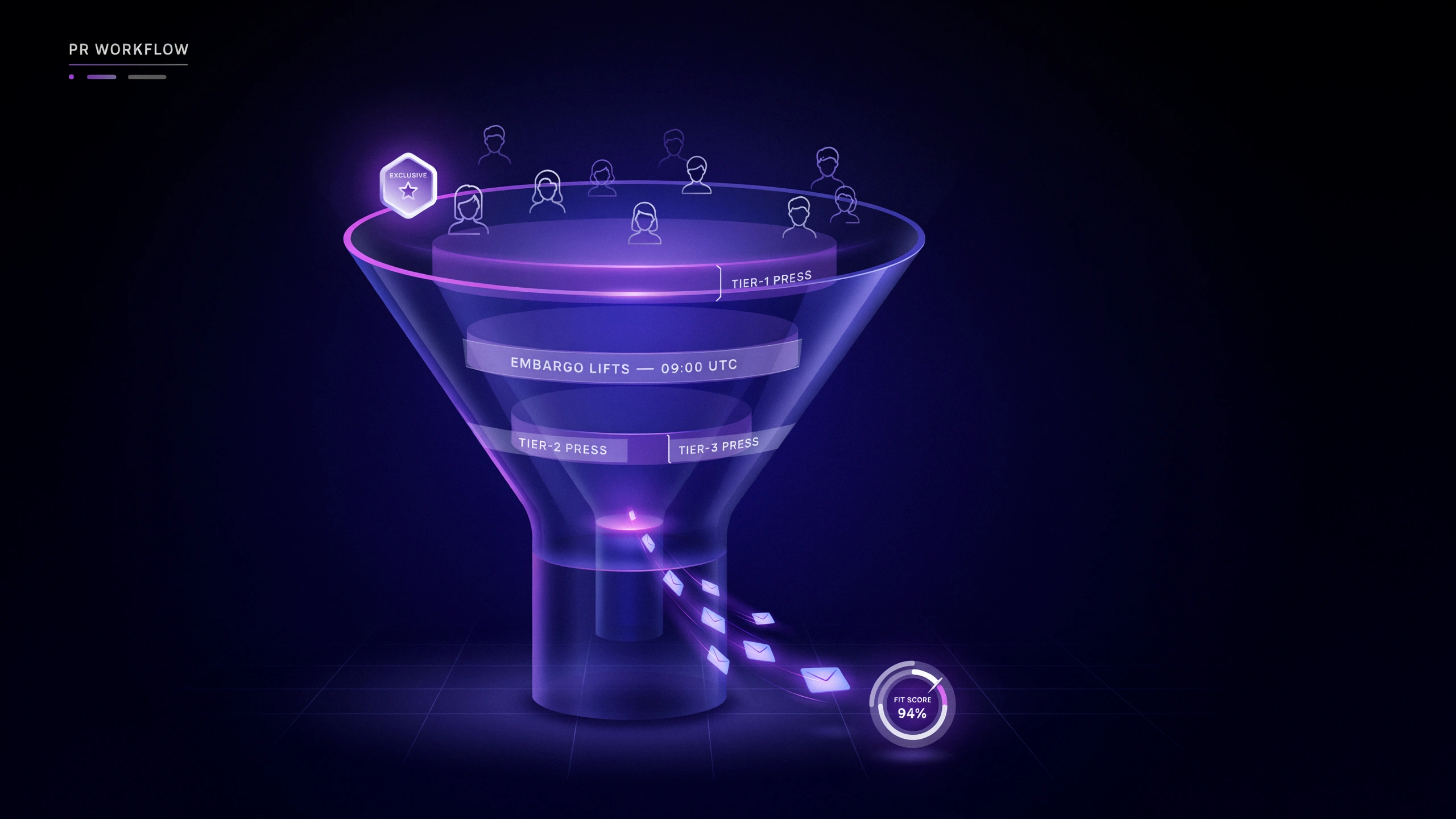
Figure 1: Strategic outreach framework and media targeting workflow.
How to Pitch TechCrunch With an Embargo: A 2026–2027 Step-by-Step Workflow
Knowing the rules is not the same as executing them. What follows is the operational sequence that tier-1 PR teams now run in 2026 — from news classification through to the post-lift follow-up — with templates you can adapt directly.
Step 1: Classify your news honestly before you target anyone
Most failed TechCrunch pitches die here, not in the writing. Before you build a list, ask the single question an editor will ask: why would a reader click this today? A 2026 funding announcement is not automatically news — it is news if the round signals something (a category inflection, a valuation reset, a rare investor pairing, a metric that breaks a pattern). If your only fact is the dollar amount, you do not have a story; you have a press release.
Run this three-tier triage:
- Tier A (tier-1 press exclusive candidate): New funding with a defensible number or named lead investor, an acquisition, a category-defining launch with real usage data, a policy or regulatory first. Route to one outlet — the tier-1 press exclusive.
- Tier B (embargo + broad tier-2/3): Meaningful product update, a research report, a significant hire. Route to a coordinated embargo across 6–10 outlets.
- Tier C (no embargo): Minor feature, award, partnership with no named counterparty. Route to owned channels and trade press; do not burn a tier-1 relationship on it.
💡 Rule of thumb: if you cannot write the headline the journalist would write, in under twelve words, you are in the wrong tier.
Step 2: Real-time journalist discovery — find who is actually covering the beat this month
This is where the 2026 workflow diverges hardest from legacy practice. Static media databases list reporters by historical beat; real beats shift month to month. A reporter listed under "enterprise software" in a database may have spent the last nine weeks covering nothing but AI infrastructure financing. Pitching the first person creates a mismatch that no embargo wording can rescue.
Static-database workflow (the legacy default):
- Export 180 "enterprise AI / venture" contacts.
- Filter by outlet tier; lose beat recency because refresh cycles lag by weeks or quarters.
- Send one master email with a copy-paste merge field.
- Result: open rates that track the industry's worst cold-outreach baseline, and — per the pitch-volume data in Muck Rack's State of Journalism research — near-certain burial in an inbox where a large share of journalists field 50+ pitches weekly.
Pytch real-time workflow:
- Scan Google News in real time for the last 30–45 days around your exact category keywords to surface who published, where, when, and on what angle.
- Rank candidates by recency and topical adjacency, not by a database's stale beat tag.
- Shortlist the 3–5 reporters who are demonstrably live on the beat, then choose one outlet for the exclusive.
- Craft a bespoke hook that references their specific recent piece, then send through verified email delivery — so a correct, current address is confirmed rather than guessed.
The contrast is the entire game: a static list answers "who has covered this historically?" while real-time scanning answers "who is covering this right now?" Only one of those questions produces a tier-1 exclusive.
Fit-scoring rubric — score each candidate 1–5 across:
| Criterion | What good looks like | Why it matters |
|---|---|---|
| Recency of coverage | Published on your category in the last 30 days | A live beat beats a stale tag |
| Angle adjacency | Their last piece touches your thesis | Enables a bespoke hook, not a generic one |
| Outlet fit for exclusives | Outlet rewards single-source news | TechCrunch-tier outlets do; aggregators don't |
| Named accountability | You can find the reporter and the editor of record | Pre-brief needs both |
| Responsiveness signal | Recent bylined follow-ups or public engagement | Proxy for inbox accessibility |
Score below 18/25 and you are pitching the wrong human.
Step 3: The embargo email — exact structure and word budget
The 2026 embargo email is short: 150–180 words maximum, embargo terms in the first three lines, the news peg in line four, the ask in the last two. Longer email is read as AI cadence and deleted. Subject line: no clickbait, no all-caps, no emoji. Format: Exclusive: [Company] [verb] [specific number/fact] — e.g., Exclusive: [Company] raises $14M Series A led by [Fund].
Template — tier-1 press exclusive:
Subject: Exclusive: [Company] raises [$X] Series A led by [Fund]
Hi [Reporter], [Editor] cc'd.
Embargo: [Day, DD Month 2026], [HH:MM] ET ([HH:MM] GMT / [HH:MM] CET). Not before.
We're offering [Outlet] the first look at [Company]'s [$X] round, led by [Fund], with [specific audit-verified metric — e.g., "ARR growth of 240% confirmed by [auditor]"].
I saw your piece on [Recent Article Title] ([date]) — the [specific point] is exactly where our data lands. [One sentence connecting their thesis to your news.]
We will not brief any other outlet before the embargo lifts. [CEO Name] is available for a 20-minute pre-brief on [Day, DD Month], [HH:MM–HH:MM] ET — [scheduling link]. Data pack, audited figures, and high-res assets attached.
Direct line: [phone]. Any questions before lift, call me.
That is ~150 words. It names the reporter, copies the editor, states the timestamp with timezone and a conversion, commits to a single-outlet exclusive, offers a guaranteed pre-brief window, and provides a phone number. Every element is a risk reduction for the reporter.
Template — how to announce a funding round via coordinated embargo (Tier B):
Subject: [Company] announces [$X] round — embargo [Day, DD Month 2026, HH:MM ET]
Hi [Reporter],
Embargo: [timestamp + timezone + conversion].
[Company] has raised [$X] from [lead], with [one defensible fact that matters — customer count, growth, named enterprise logos]. [One line on why now.]
I noticed your coverage of [Recent Article Title]; happy to route you [CEO] for a 15-minute pre-brief on [window] or send the full data pack now, your call.
Named contact: [Name], [direct line]. Full assets ready to send.
Note the difference in ask: the Tier-B email offers either a pre-brief or the data pack. The exclusive email offers only the pre-brief, because a tier-1 exclusive without a reporting window is a blind publish request.
Step 4: Sending discipline — timing, follow-up, and thread hygiene
- Send window: Tuesday–Thursday, 07:00–09:00 ET. This lands ahead of most editorial stand-ups and matches the working calendar of US tech desks.
- Follow-up cadence: one follow-up after 72 hours, one final nudge 48 hours before lift, then stop. More than two follow-ups converts a story into a nuisance.
- Thread hygiene: keep the embargo confirmation in the reply thread. That thread is your only evidentiary record that both sides agreed to the time and the pre-brief window.
- Assets: data pack attached in the first email for Tier B; held back for Tier A until the pre-brief is booked, so the reporter has a reason to take the call.
Step 5: The pre-brief and the break-request protocol
Once the pre-brief is booked, the call has a rigid shape: five minutes on the facts and verifiable numbers, ten minutes on narrative and defensible claims, five minutes on what the reporter still needs to file. Harvard Business Review research on executive communication is the governing principle here — specificity beats abstraction; a CEO who leads with a defensible number earns the follow-up quote, one who leads with vision language gets paraphrased into a roundup.
When the reporter asks to break the embargo early — and in 2026 some will, because their competitor is circling — run this protocol:
- Never say "no" flatly. Say "here's what I can do."
- Offer a compromise: bring the lift forward for everyone simultaneously (e.g., move from Tuesday 09:00 ET to Monday 09:00 ET) rather than letting one outlet jump the queue.
- If a competitor has already published, tell the reporter immediately and share whatever you can bring forward. Honesty here is the single fastest trust-builder in media relations.
- If a third party broke it — a regulatory filing, a leaked cap table, an investor's LinkedIn post — call the reporter before they discover it, explain exactly what happened, and offer a compensating angle (the customer story, the technical deep-dive).
💡 The most durable tier-1 relationships are built on a break handled with a phone call, not on a pitch that landed cleanly. The reporter remembers how you behaved when it went wrong.
Step 6: Post-lift sequencing (the 24-hour rule)
When the embargo lifts, the work has only started. Sequence within 24 hours: confirm the piece is live and shared by the outlet's social channels; route the CEO to any follow-up requests; brief a handful of tier-2 outlets with the published link (no new exclusive, just amplification); and log the reporter's response pattern in your CRM for the next campaign. The 2026 winning campaigns treat the embargo as the opening of a relationship, not the closing of a transaction.
How to Get Featured in Forbes and Vet Tier-1 Journalists Before Offering an Exclusive
The question how to get featured in Forbes is searched by founders who assume Forbes works like TechCrunch. It does not. Forbes operates a mixed model: staff-written business and markets coverage alongside a large network of contributor and brand-voice channels. That split changes the pitch entirely — and getting it wrong is the most common reason strong founders land a paid "Forbes feature" disguised as earned coverage while missing the actual editorial byline that would have moved the needle.
The 2026 Forbes reality, decoded:
- Staff editorial (the prize): reporters on the business, markets, and tech desks, pitched on the same exclusive-or-embargo logic as TechCrunch but with a stronger preference for business-model stories (unit economics, category economics, second-order market effects) over product features. A funding round in isolation is weak; a funding round that reframes how the category monetizes is strong.
- Contributor network (semi-earned): contributors write opinion and analysis under their own bylines, often with a defined beat and an open call for expert voices. Pitching here is legitimate, but it produces a contributor placement — useful for thought leadership, weaker for news, and worth zero as a "tech press exclusive." Never confuse it with the staff desk.
- Brand-voice / paid channel: clearly labeled, and should never be pitched as earned media. If a founder buys a "Forbes article," they have bought a byline, not credibility with reporters — and the 2026 newsroom knows the difference.
The practical rule: for Forbes, the same embargo discipline applies, but the hook shifts from "here's our launch" to "here's a business-model insight your markets desk has not written yet." The embargo is the instrument; the business angle is the currency.
Vetting journalists before you offer an exclusive
An exclusive is a promise you cannot unmake. Vet every candidate against a five-point checklist before the offer leaves your drafts folder:
- Byline recency: have they published on your category within 45 days? Check via real-time scan, not a static database. Pytch surfaces the outlet, date, and angle of every recent piece on your topic, which turns vetting from a guess into a scan.
- Beat ownership vs. guest coverage: a reporter who wrote one adjacent piece is a guest; one who has filed repeatedly on the beat is an owner. Exclusives belong with owners.
- Outlet appetite for single-source news: some outlets reward priority positioning; aggregators do not. Confirm the outlet's pattern before you commit.
- Editor of record: find the editor who would assign the piece. A reporter without editorial air cover cannot honour an embargo they promised. Copy the editor; it is not overstepping — it is competent.
- Break history: search the reporter and outlet for past embargo disputes. A reporter with a clean record is a safe partner; a reporter with a history of breaks is a roundup risk, and you should route your story to a Tier-B embargo instead.
💡 The exclusive is a loan of your story to one journalist. Vet as carefully as you would a co-signer.
Workflow comparison: static database vs. Pytch real-time AI
| Dimension | Static legacy database | Pytch real-time AI |
|---|---|---|
| Discovery source | Indexed contacts refreshed on monthly/quarterly cycles | Live Google News scanning; surfaces who is publishing now |
| Beat accuracy | Lags reality by weeks or quarters; stale tags common | Angle- and recency-matched to the actual current beat |
| Email deliverability | Unverified addresses; bounces treated as noise | Verified email delivery — current, confirmed contacts |
| Pitch personalization | Merge-field only; AI-cadence risk | Bespoke hook crafted from the reporter's specific recent piece |
| Exclusive fit | No signal on outlet appetite or break history | Shortlist ranked by topical adjacency for a single-outlet exclusive |
| Response reality (2026) | Tracks cold-outreach norms; high ignore rate | Earlier, more relevant contact within the 72-hour follow-up window |
Comparative framing draws on journalist pitch-volume and relevance signals documented in Muck Rack's State of Journalism research, PR-to-media gap findings in Cision's state-of-media and PR challenges research, audience-accountability trends in Pew Research Center journalism research, and AI newsroom-adoption context from the Reuters Institute Digital News Report 2026.
A worked mini-case (illustrative 2026 pattern): a Series A founder wants both a TechCrunch exclusive and a Forbes markets byline off the same announcement.
- Static-database path: pulls 150 "vc / saas / markets" contacts, blasts one embargo to 30 outlets, gets two replies, leaks to a competitor via an investor's LinkedIn post, and ends with a roundup mention — no exclusive, no Forbes desk pickup.
- Pytch path: scans Google News for recent funding coverage in the founder's category, identifies four live reporters (two at TechCrunch-tier outlets, one Forbes markets reporter, one contributor), routes the exclusive to the single best-fit TechCrunch reporter with a bespoke hook tied to their last piece, runs the pre-brief, and separately pitches the Forbes markets reporter a business-model angle (not the round itself) on a Tier-B embargo timed to the exclusive's lift. Verified email delivery confirms both contacts are current. Result: one exclusive, one adjacent byline, zero leaked threads.
The mechanics are reproducible. The failure points are always the same — wrong target, ambiguous time, no pre-brief, or a fifth outlet. Fix targeting with real-time discovery, fix timing with a stated timestamp and timezone, fix trust with a genuine pre-brief, and fix the exclusive by committing to exactly one outlet. In the final section, we consolidate the 2026–2027 checklist, answer the FAQs founders actually ask, and give you a step-by-step action plan — including how to run your first media search at pytch.cc.
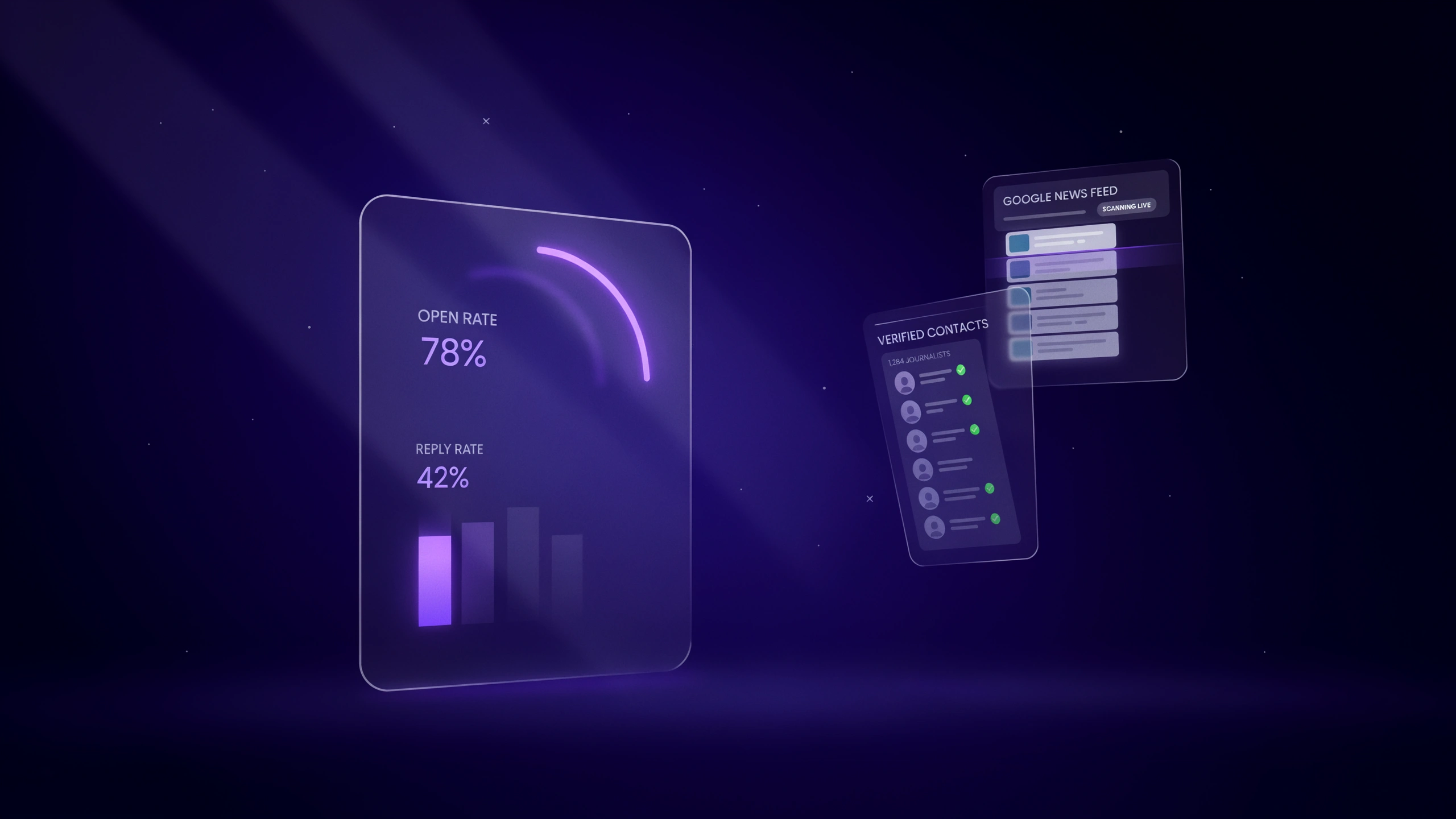
Figure 2: Performance metrics and response tracking across targeted outreach.
7 Embargo Mistakes That Kill Tier-1 Coverage in 2026 (and How to Fix Them)
The patterns below account for the overwhelming majority of failed tier-1 pushes we see in 2026. Each failure is structural, not stylistic — which means each one is fixable before the email leaves the drafts folder.
Mistake 1: The "exclusive" pitched to five outlets
This is the single most reputation-destroying error in media relations, and it has gotten worse in 2026 because reporters cross-check faster than ever — a shared tip line, a Slack channel, a mutual follow on X. Pitch five outlets on an "exclusive" and the outcome is deterministic: the first reporter to verify learns they were not first, the story dies or becomes a roundup, and every named contact remembers. Fix: commit to exactly one outlet for Tier A news, and hold everyone else on a dated embargo timed to that outlet's lift. If you cannot tolerate the risk of zero coverage, the story was Tier B all along.
Mistake 2: Ambiguous or timezone-broken lift times
"Embargoed until Tuesday morning" is the phrase that manufactures genuine accidents — and genuine accidents are still your fault. An editor in London reads "morning" as GMT, a reporter in San Francisco reads it as PT, and someone publishes six hours early. Fix: state the day, date, year, time, timezone abbreviation, and a conversion. Then confirm it in the reply thread — the thread is your only evidence. As documented in the Cision state-of-media and PR challenges research, the persistent gap between what newsrooms need (precision, speed, ready assets) and what PR delivers (vagueness, delay) is exactly this failure mode.
Mistake 3: Announcing the funding round as if the dollar amount were the story
Founders routinely ask how to announce a funding round and assume the raise is the news. It is not. A round is news only when it signals something — a valuation reset, a category inflection, a metric that breaks a pattern, a rare investor pairing. In 2026, a bare dollar figure with no defensible second fact reads as a press release, and press releases rank below trend pieces in every assignment queue. Fix: lead with the audited metric or the market shift, place the round in service of that thesis, and write the twelve-word headline the reporter would write. If you cannot write it, you are not ready to pitch.
Mistake 4: No pre-brief, then panic at lift
The pre-brief is the entire value of the embargo, and skipping it converts your exclusive into a request to publish blind. The 2026 failure pattern is predictable: send the embargo, vanish for four days, refresh the homepage at 06:00, and discover the reporter filed a two-line brief because they had nothing else to work with. Fix: name the spokesperson, guarantee a 20-minute window before lift, attach the data pack at the right moment, and treat the call as a reporting session — five minutes of verifiable facts, ten minutes of defensible narrative, five minutes on what they still need to file.
Mistake 5: Pitching a stale beat from a static database
Legacy media databases refresh on monthly or quarterly cycles, so a reporter who moved beats eight weeks ago still appears under their old tag. In 2026, when coverage areas shift month to month, a static list is a liability dressed as a workflow. The journalist pitch-volume data in Muck Rack's State of Journalism research — with a large share of reporters fielding 50+ pitches weekly — means a mis-targeted pitch is not merely ignored; it actively trains the reporter to filter you out. Fix: scan real time. Determine who published on your exact category in the last 30 days, rank by recency and angle adjacency, and shortlist from there.
Mistake 6: Confusing a contributor byline with an editorial feature
This is the heart of the how to get featured in forbes confusion. Forbes runs staff editorial desks alongside a large contributor network and a clearly-labeled brand-voice channel. Founders who cannot tell the three apart buy a contributor placement, call it earned media, and discover it moves nothing with reporters — because the 2026 newsroom knows the difference on sight. Fix: pitch the staff desk with a business-model angle (unit economics, category monetization, second-order market effects), reserve contributor pitches for genuine thought-leadership analysis, and never present a paid byline as editorial credibility.
Mistake 7: Treating lift as the finish line
The clock strikes, the piece goes live, and the campaign goes quiet — which wastes the only window where tier-2 amplification actually works. Fix: within 24 hours, confirm the piece is live and shared by the outlet's channels, route the CEO to follow-ups, brief tier-2 outlets with the published link (no new exclusive), and log the reporter's response pattern. The 2027 winners treat the embargo as the opening of a relationship, not the close of a transaction. The Reuters Institute Digital News Report 2026 confirms that AI triage will keep compressing newsroom attention — which makes the post-lift follow-up the highest-return, lowest-effort move available to you.
💡 Every one of these seven failures is a targeting, timing, or trust problem. None of them is a writing problem — which is why better copy alone never fixes a broken campaign.
The 2026–2027 PR Embargo & Tier-1 Exclusive Checklist
Run this before, during, and after every tier-1 push. Print it, or paste it into your project tracker and assign an owner to every line.
Pre-Launch Prep
- Classify the news honestly: Tier A (exclusive candidate), Tier B (coordinated embargo), or Tier C (owned channels only).
- Write the twelve-word headline the reporter would write. If you can't, downgrade the tier.
- Identify the one defensible, audit-verified fact that breaks a pattern (not the dollar amount).
- Run a real-time scan of the last 30–45 days to identify reporters actively covering your category.
- Shortlist 3–5 live reporters; score each against the fit rubric (recency, adjacency, outlet appetite, named accountability, responsiveness).
- Confirm the reporter and the editor of record for the chosen outlet.
- Search the reporter and outlet for past embargo-break history before offering an exclusive.
- Lock the lift time: day, date, year, time, timezone abbreviation, and conversion.
- Book the pre-brief window and confirm the spokesperson's calendar.
- Prepare the data pack, audited figures, and high-res assets — ready to send the moment the pre-brief is booked.
- For Forbes, separate the staff-desk pitch (business-model angle) from any contributor outreach; never confuse them.
Outreach Execution
- Send the embargo email at 07:00–09:00 ET, Tuesday–Thursday, 150–180 words maximum.
- Confirm embargo terms appear in the first three lines; no AI-cadence filler in the opening.
- Name the reporter, cc the editor, and include a direct phone line.
- State the single-outlet commitment explicitly: "We will not brief any other outlet before lift."
- Craft a bespoke hook grounded in the reporter's specific recent piece — never a merge-field.
- Send through verified email delivery; confirm the address is current rather than guessed.
- Log the send, the timestamp, and the thread ID in your CRM.
- Follow up once at 72 hours; send a final nudge 48 hours before lift; then stop.
Post-Pitch Nurturing
- Run the pre-brief: five minutes facts, ten minutes narrative, five minutes on what they still need.
- Confirm the agreed lift time in the reply thread — in writing, both sides.
- If a reporter requests an early break, offer a simultaneous lift for everyone rather than letting one outlet jump the queue.
- If a third party breaks the embargo, call the reporter before they discover it and offer a compensating angle.
- Within 24 hours of lift: confirm the piece is live, route follow-ups, and amplify to tier-2 with the published link.
- Log the reporter's response pattern for the next campaign — reply speed, angle preference, follow-up appetite.
- Send a short thank-you note referencing a specific detail of the published piece. Relationships compound.
<!-- SEMANTIC_CLUSTER_START -->💡 The checklist is deliberately front-loaded. Roughly 80% of the work happens before the send button — because the send button is the point of no return.
Tactical Reference Table
| Scenario | Action | Benchmark |
|---|---|---|
| Multiple outlets, same news | Embargo pitch to a curated pool | Max 3–4 outlets; stated lift time in ET |
| Single biggest outlet, high-stakes | Offering a media exclusive to TechCrunch | 24–72 hour lead; terms in body copy |
| Reporter asks "is anyone else on this?" | Defend instrument honestly | Answer within 1 hour |
| Silent pre-brief | PR embargo agreement etiquette check-in | 24 hours before lift |
| Leak or rival breaks early | Confirm with pool ASAP | Notify within 60 minutes |
| Launch day sequencing | Breaking news embargo timeline | Every milestone logged, no gaps |
Teams running many launches at once use an autonomous AI PR agent — like Pytch — to track hold windows, ping reporters, and flag missed timeline checkpoints without a human watching the clock.
Related search benchmarks covered: how press embargoes work, exclusive vs embargo pitch.
<!-- SEMANTIC_CLUSTER_END --> <!-- INTERNAL_CLUSTER_LINKS_START -->Related Playbooks in the Startup Press & Launch Cluster
Explore connected guides in our Startup Press & Launch semantic cluster:
- How To Get Featured In Forbes: How to Get Featured in Forbes: The 2026-2027 Playbook for Founders, PR Pros & Marketing Teams
- How To Announce Funding Round: How to Announce a Funding Round in 2026: Seed & Series A Press Coverage Playbook
- How To Pitch Techcrunch: How to Pitch TechCrunch in 2026: The Ultimate Founder Guide to Landing Startup Coverage
- How To Write A Launch Press Release: How to Write a Launch Press Release in 2026 That Actually Drives Media Coverage
- Startup Press Release Template: Startup Press Release Template: 5 Formats Tech Reporters Won’t Immediately Delete in 2026
FAQ: TechCrunch Pitch Embargo Rules, Forbes Features, and Funding Announcements
Q: Can I offer the same story to TechCrunch and another outlet as an "exclusive" at the same time?
No — offering the same story to multiple outlets as an "exclusive" destroys the value of the promise and typically kills the story entirely. TechCrunch-tier outlets reward single-source priority, and reporters cross-check quickly; a "fake exclusive" lands as a roundup mention at best, and the named contact is mentally filed as unreliable. If you genuinely want multi-outlet coverage, run a dated Tier-B embargo instead and hold the exclusive for the one story worth gambling on.
Q: What exactly counts as breaking an embargo in 2026?
Publishing before the stated lift time — by any channel, including a LinkedIn post, an X thread, a podcast appearance, or a leaked investor update — is a break, and founders routinely underestimate the last two. The 2026 trap is the pre-embargo podcast or interview "that doesn't really count," which absolutely does count: a reporter who agreed to wait will discover it in minutes, and the pre-brief they gave you becomes the reason they never trust you again. The remedy is never to hide a break — call the reporter before they learn about it, explain what happened, and offer a compensating angle.
Q: How do I announce a funding round so a tier-1 outlet actually covers it?
Lead with the defensible second fact — the audited metric, the market shift, the rare investor pairing — and place the dollar figure in service of that thesis. A bare round is a press release; a round that reframes how a category monetizes is a story. Send the embargo terms in the first three lines with a precise timestamp and timezone, commit to a single outlet, and guarantee a pre-brief window with a named spokesperson — because the reporter is not buying your vision, they are buying a story they can defend to an editor.
Q: Can I really get featured in Forbes without paying for it?
Yes — the staff editorial desks operate on the same exclusive-or-embargo logic as TechCrunch, though with a stronger preference for business-model stories than product features. Pitch a Forbes markets or business reporter a thesis they have not yet written (unit economics, category economics, second-order market effects), and treat contributor-network and brand-voice placements as distinct instruments — useful for thought leadership, but worth zero as news credibility. Where founders go wrong is buying a "Forbes article" and presenting it as earned coverage; the 2026 newsroom spots the difference immediately.
Conclusion: Scaling Your Media Coverage with Pytch
The rules across all three parts of this guide reduce to a single sentence: the 2026 tier-1 press exclusive is won on the specificity of the story and the accuracy of the target — never on the volume of outreach. A perfect embargo email sent to a reporter who stopped covering your beat eight weeks ago is a wasted email. A flawless pitch to the wrong outlet's editor is a wasted exclusive. And a "press release" announcing a funding round with no defensible second fact is — however well-written — just noise in an inbox already drowning in it.
That is precisely where the old playbook fails and where real-time intelligence changes the arithmetic. Pytch scans Google News continuously to surface who is actually publishing on your topic right now — the reporter, the outlet, the date, the angle — then layers verified email delivery so your embargo terms reach a current, confirmed address, and bespoke hook crafting so your opening line is grounded in what the reporter wrote last week rather than what a static database believed six months ago. The workflow is simple to state and transformative to run:
- Scan for recent coverage in your exact category over the last 30–45 days.
- Shortlist the reporters who are demonstrably live on the beat.
- Select one outlet for the tier-1 exclusive, and route the rest to a dated embargo.
- Craft a hook tied to the reporter's specific recent piece.
- Confirm delivery before you wait, so silence means "not interested" rather than "wrong address."
- Pre-brief before lift, handle the break honestly if one comes, and follow up within 24 hours.
The mechanics are reproducible. The failure points are always the same — wrong target, ambiguous time, missing pre-brief, or a fifth outlet. Fix targeting with real-time discovery, fix timing with a stated timestamp and timezone, fix trust with a genuine pre-brief, and fix exclusivity by committing to exactly one outlet.
So if you are preparing a raise announcement, a category-defining launch, or a Forbes-desk pitch heading into 2027, do the thing that determines the outcome before you write a single word of the email: run your first real-time media search on pytch.cc and see who is covering your story right now — then pitch that person, with that hook, on that deadline. The embargo is only as strong as the relationship it protects. Start with the right name.
<!-- SEMANTIC_CLUSTER_UPGRADED_V2 -->