Product Hunt Launch Checklist 2026: From Teaser to #1 Product of the Day
The product hunt launch checklist is a sequenced operating system—teaser, hunter alignment, asset build, embargo strategy, live-day execution, and post-launch PR amplification—engineered to convert a single 24-hour ranking window into durable discovery across AI search engines, journalists, and investors. In 2026, it is a narrative-engineering discipline, not a to-do list.
💡 Key Takeaways
- Core Strategy: Product Hunt is no longer a traffic lottery—it's a semantic ground zero. The launch page, comments, and press assets you publish on launch day become the corpus that AI assistants and journalists cite for the next 12–24 months.
- Benchmark: Journalists are drowning in pitch volume—roughly half of reporters now receive 50+ pitches per week, and a majority say fewer than a quarter are relevant, per the Muck Rack State of Journalism research. Precision, not volume, is the 2026 determinant.
- Execution Rule: Build the launch backwards from the narrative and the ranking signals, never forwards from a list of tasks. Ship the story first; the checklist is the delivery mechanism.
Why the Product Hunt Launch Checklist Still Matters in 2026—and What Changed Heading Into 2027
Product Hunt's raw referral traffic has cooled from its 2015–2019 peak. That decline is exactly why the ritual has matured—and why founders who treat it as a vanity spike are now the minority among the ones who win.
What Product Hunt still does better than anything else in 2026:
- Ranking as a trust proxy. A "Top 5 Product of the Day" badge remains a conversion asset embedded in landing pages, pitch decks, and investor updates. VCs scan launch performance as a signal of founder execution and community-building muscle—not just product quality.
- A dense, high-intent citation node. The launch page—tagline, maker description, first comment, FAQ, and (critically) the comments thread—creates a concentrated page of structured, attributable claim language. That's precisely what generative engines retrieve and quote. The Princeton University GEO research found verified statistics lifted citation probability by roughly 37% and authoritative source links by roughly 40%—meaning your launch page's factual density directly affects whether AI assistants recommend you by name.
- A synchronization anchor for PR. Product Hunt gives journalists and editors a legitimate "moment" to hang coverage on. A launch is a news peg—the ingredient that converts a cold pitch into a "here's why this is timely" story. Editors at outlets like TechCrunch build launch-day coverage calendars around exactly these pegs.
What changed between 2024–2026 and 2027:
While 2024–2025 saw a wave of generic AI-generated pitches flood newsrooms, 2026 demands hyper-personalized relevance. The fallout reshaped media relations fundamentals:
- Trust in news remains structurally fragile. Pew Research Center Journalism continues to document depressed public trust and declining newsroom employment—meaning fewer journalists covering more beat territory, and ever-tighter filters on what makes the cut.
- AI is now a first-class readership channel. The Reuters Institute Digital News Report documents accelerating audience migration toward AI-summarized and personalized news surfaces—so earned citations in AI answers are now part of the PR ROI equation, not an afterthought.
- Newsroom credibility scrutiny has intensified. Cision's media and credibility research shows journalists weighing source trustworthiness and pitch relevance more heavily than raw pitch count—the opposite of spray-and-pray economics.
Heading into 2027, expect three accelerations: AI-generated launch spam forcing Product Hunt and journalists to reward verified, human-attributable storytelling; AI answer engines becoming a primary product-discovery surface (making launch-page factual density a competitive moat); and the emergence of "launch as evergreen asset" playbooks where a single launch feeds a 12-month earned-media and GEO campaign.
The shift in one sentence: In 2022 the launch was a traffic sprint. In 2026 it is a citation-engineering event whose payoff compounds for two years.
The 2026 Launch Landscape: AI Search, Journalist Workflows, and the New Discovery Funnel
The Discovery Funnel Has Inverted
Historically: users saw a Product Hunt badge → clicked → evaluated. Today the funnel typically begins before the click—inside an AI assistant or a journalist's inbox:
- AI answer surface ("best tools for X in 2026") — the assistant retrieves launch-page language, review sentiment, and cited stats.
- Journalist inbox — a reporter deciding whether your launch fits their beat and has a defensible angle.
- Community validation — Product Hunt comments and upvote velocity as social proof.
- Direct evaluation — the click you used to optimize first now arrives fourth.
This inversion is why a startup PR checklist for 2026 must include GEO-readable assets (fact-dense copy, named research, clear entity definitions) alongside the traditional upvote mechanics.
Journalist Workflows: What Reporters Actually Need on Launch Day
Based on the patterns in Muck Rack's State of Journalism research and Cision's media analysis, what matters to a reporter evaluating a launch:
- A completed, dated news peg (launch date, category, one- or two-sentence "why now").
- Original data or verifiable claims—not adjectives. Reporters re-report; give them re-reportable material.
- A named, reachable founder with a tight quote, not a PR intermediary alone.
- Fewer follow-ups. Follow-up spam is a top trust-killer.
Contrasting scenarios—the pitch that gets ignored vs. the pitch that converts a launch into coverage:
❌ Bad launch pitch (2025-era spray):
"Hi [name], I hope this email finds you well! Our revolutionary AI platform is disrupting productivity and launches today on Product Hunt. Would love coverage! Full details below… [1,200 words]." Problems: no peg specificity, no data, no named quote, no beat relevance, asks the journalist to do the discovery work.
✅ Good launch pitch (2026-grade):
"Hi [name] — covering [beat]? You wrote about [specific recent piece] on [specific angle]. We launch on Product Hunt [date], and our [X] pilot showed [specific verifiable metric]. Founder [Name] is available for a 2-minute quote today; I've included a one-page brief and the launch link. No follow-up from me if it's not your beat." Why it works: peg + beat fit + verifiable data + named voice + respect for the reporter's filters.
For an exhaustive 2026 framework on journalist targeting and pitch economics, Propel PR's research blog and HubSpot's marketing research provide grounding on what differentiates pitches that earn responses from pitches that get filtered.
The Medium-Risk Detail: Embargoes and Launch-Day Sequencing
Tech press—TechCrunch being the canonical example—increasingly expects embargo alignment on launch-day announcements, so coverage lands simultaneously with the Product Hunt page going live. Misfire this and you burn the news peg on a cold day. Your checklist must encode embargo timing as a hard dependency, not an afterthought.
Executives communicating the "why now" narrative on stage or in the launch letter do themselves a favor by borrowing the narrative-framing discipline from Harvard Business Review—specifically: lead with the problem the reader already feels, then position the product as a consequence, not a reveal.
Foundations of a Winning Product Hunt Launch: Ranking Signals, PR Fit, and Narrative Before the Checklist
Before you touch a single checklist item, you need the three foundations beneath it: what Product Hunt actually ranks on, whether PR fit is real, and whether your narrative can survive the sorting.
Ranking Signals—What Actually Drives the Algorithm in 2026
Product Hunt's ranking has always been engagement-quality-driven, not raw-volume-driven. The signals that matter most in 2026:
- Upvote velocity and authenticity. Sudden non-organic spikes are discounted; sustained, distributed engagement from established community accounts is rewarded.
- Comment quality and depth. A dense thread of substantive questions and maker replies outranks shallow upvote counts in real-world ranking outcomes.
- Retention of the click. Even if PH doesn't measure downstream conversion directly, the community's manual curation is sensitive to which launches feel substantial—and that perception is a function of your page's clarity.
- Maker responsiveness. Rapid, substantive replies to early comments compound ranking and are one of the few levers you fully control.
Foundational rule: Ranking is a second-order effect of credibility. Build a page that a skeptical senior engineer would trust, and the ranking follows.
PR Fit—The Sorting Question Founders Skip
Launch-day media relations only works if your launch genuinely sits inside a journalist's domain. That means a 50/50 test: name a specific reporter and a specific recent piece of theirs that your launch directly extends. If you can't, the outlet isn't a fit—no matter how much you want the logo.
This is the distinction between a startup PR checklist (task fulfillment) and media relations 2026 (relationship and relevance architecture). The former produces send-button motion; the latter produces coverage.
Narrative-Engineering-the-Launch: Sequencing the Story Before the Assets
The launch narrative must answer, in order, before any asset is built:
- What category are you actually in? (AI answers and journalists both need it named.)
- What is the single verifiable "why now"? (Regulation, behavior shift, new data, acquired capability.)
- What does the first 10 seconds of the launch page assert? (That tagline is your future AI-citation anchor.)
- What is the named, quotable founder claim? (This is the re-reportable unit.)
Only after those four are locked should the teaser, assets, embargo list, and day-of sequencing be built. This is the foundational inversion that separates 2026 winners from checklists that produce a pretty page and zero earned citations.
Why this matters more than most checklists admit: In 2026, your launch page is a durable semantic artifact, not a 24-hour billboard. Journalists and AI systems will retrieve the language you publish on launch day for months. A vague tagline isn't just a weak launch—it's a permanently weak citation.
Source Grounding: The Core Authorities Behind This Checklist
Throughout this guide, we ground each recommendation in published research—not vibes. The primary foundations for the guide:
- Muck Rack State of Journalism — journalist pitch volume, relevance filters, and workflow realities.
- Cision media and credibility research — credibility metrics, press-release format expectations, and media-relations dynamics.
- Pew Research Center Journalism — newsroom employment, trust, and digital news dynamics.
- Reuters Institute Digital News Report — readership trends and AI-in-journalism shifts.
- Princeton GEO research — the citation-boosting value of verified statistics (+~37%) and authoritative links (+~40%).
- TechCrunch and Harvard Business Review — embargo/announcement formatting and narrative framing.
- Propel PR and HubSpot's state-of reports — pitch differentiation and marketing benchmarks.
A note on how modern launch teams organize sourcing: static legacy databases of journalist contacts decay fast—beats rotate, outlets fold, and an email that worked six months ago lands in a dead inbox today. Real-time discovery—scanning Google News and live bylines to confirm a reporter is actively covering your topic this week—plus verified email delivery and bespoke hook crafting is the difference between a 3% response rate and a double-digit one. That's the workflow Pytch (pytch.cc) is built around: find the reporter writing your story now, verify the inbox, and craft the hook before you hit send. We'll break down exactly how that integrates into launch-day sequencing in the next section.
In Part 2, we move from foundations to execution: the pre-launch teaser window, asset-by-asset page build (tagline, gallery, first comment, FAQ), hunter strategy, embargo sequencing, and the hour-by-hour playbook for #1 Product of the Day—plus how to translate the launch into a 2026–2027 earned-media and AI-citation campaign.
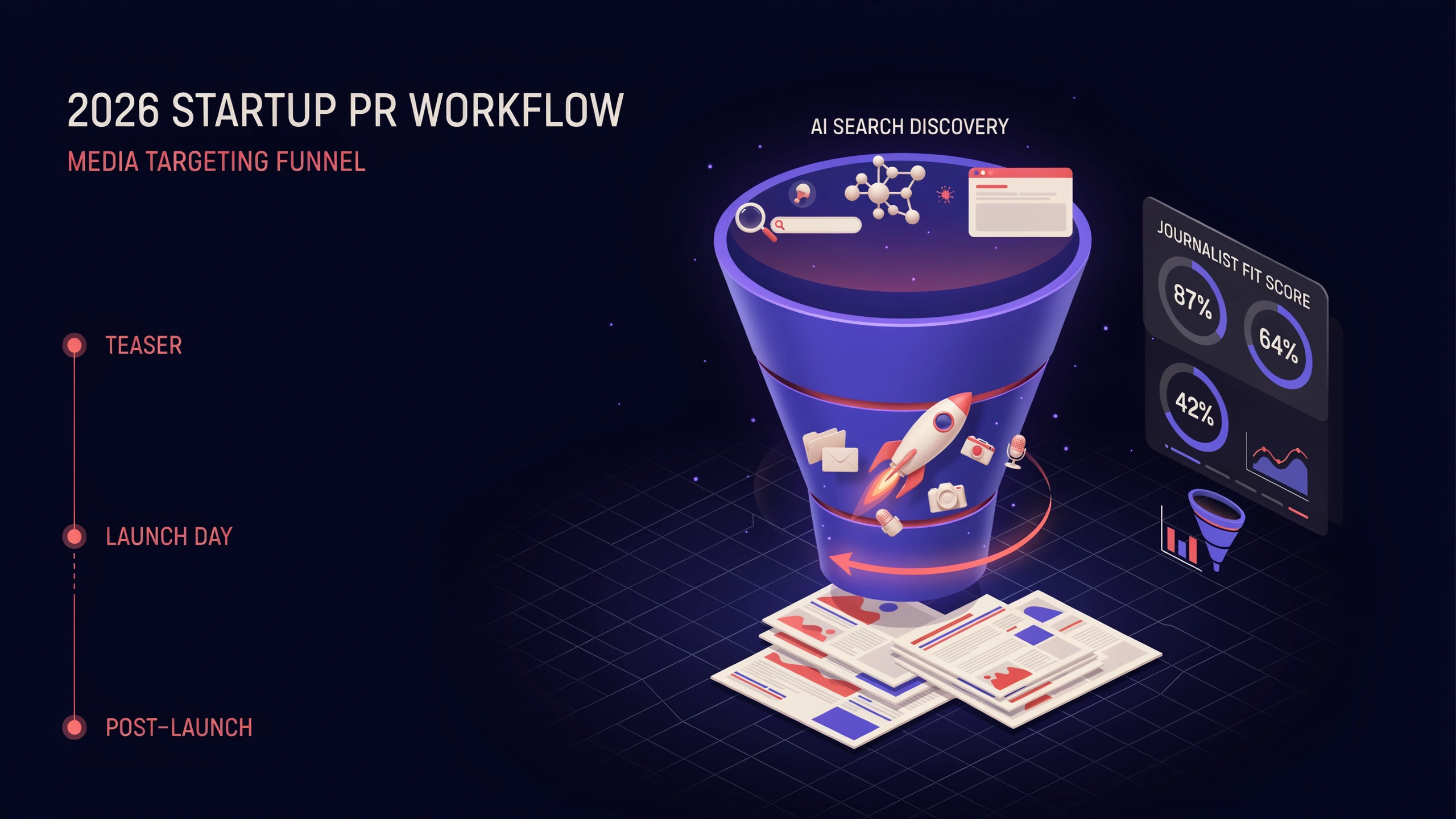
Figure 1: Strategic outreach framework and media targeting workflow.
The Complete Product Hunt Launch Checklist for 2026: Teaser, Pre-Launch, Launch Day, and Post-Launch
The foundations are locked. Now you execute. Below is the full sequenced operating system—every phase treated as a hard dependency for the next, because a launch is a chain of timed commitments, not a buffet of optional tasks.
Phase 1: The Teaser Window (T-minus 21 to T-minus 10 Days)
The teaser is not a hype trailer. In 2026 it is a pre-warming mechanism that seeds the exact language you'll need AI engines and journalists to retrieve later. Every teaser asset should reinforce your category name and your single verifiable "why now."
- Ship 3 teaser assets, no more. One visual (a cryptic UI fragment or metric card), one founder voice post (LinkedIn/X), one waitlist micro-page. Over-teasing reads as noise; three touchpoints build pattern recognition without fatigue.
- Seed the same sentence everywhere. Your "why now" line should appear verbatim in the teaser, the launch tagline, and the pitch email. Repetition across surfaces is what makes generative engines treat a claim as attributable rather than incidental—the citation mechanics documented in the Princeton University GEO research reward consistency.
- Build the waitlist capture before you build the gallery. Every pre-launch asset funnels to a single list. A teaser without a capture mechanism is decoration.
- Draft, don't send, your embargo list. Identify your 8–15 target reporters now, but hold outreach until T-minus 7 (see Phase 2). Teasing a journalist before the peg is confirmed wastes the only contact you get.
Rule of thumb: If your teaser doesn't contain one verifiable number or named capability, it isn't a teaser—it's a logo with a countdown clock. Cut it.
Phase 2: Pre-Launch Outreach and Embargo Sequencing (T-minus 7 to T-minus 1)
This is where launch day PR is won or lost—before launch day. The single most common 2026 failure is treating journalist outreach as a launch-morning activity. It isn't. It's a sequencing discipline.
The embargo sequence, step by step:
- T-minus 7: Finalize your 8–15 reporter list using the vetting method in the next section. Each name must pass the 50/50 test (specific reporter + specific recent piece).
- T-minus 6 to T-minus 5: Send the embargo offer—short, with the date, the peg, and the exclusive-data hook. Not the full brief yet.
- T-minus 4: Send the full embargoed brief to confirmed reporters only. Include the launch date, a one-page fact sheet, two named quotes, and the launch link (under embargo).
- T-minus 1: Confirm timing in a single line. No re-pitching. No "just bumping this."
Embargo alignment matters because outlets like TechCrunch build coverage calendars expecting simultaneous release—misfire the timing and coverage lands on a cold day with zero Product Hunt synergy.
The 2026 embargo pitch template:
Subject: Embargo [Date] — [Company] launches [Category], [Specific Verifiable Metric]
Hi [Name] — you covered [Recent Article Title] on [Specific Angle]. We're launching [Product] on [Date] in the [Named Category] space, and our [specific pilot/early-access] data showed [verifiable metric with source]. Founder [Name] is available for a 10-minute call [Day/Time] and can give you a named quote on [specific topic]. Full brief attached under embargo until [Date, Time, Timezone]. No follow-up from me if it's outside your beat.
Note three things that earn responses: the peg is dated and specific, the data is verifiable rather than adjective-driven, and the founder is named and reachable. That last point is not cosmetic—reporters weigh source reachability and credibility heavily, per Cision's media and credibility research.
Rule of thumb: 150–180 words, one link, one named quote, one clear ask. Anything longer gets filtered. Send Tuesday–Thursday, 7–9 a.m. in the reporter's timezone.
Phase 3: Launch Day Execution (Hour-by-Hour)
Ranking is a second-order effect of credibility, which means your hour-by-hour playbook should optimize for comment depth and sustained velocity, not a single upvote burst.
- 00:01 PT (launch): Page live. First comment posted by the maker—this is your longest, most substantive comment: the category definition, the "why now," and one verifiable claim. This comment is a permanent citation asset.
- Hour 1–3: Founder personally replies to every comment with substance. No "thanks!" replies—each response should add a fact.
- Hour 3–8: Activate your distribution list (waitlist, community, investors) in waves, not a single blast—sudden non-organic spikes get discounted by the ranking algorithm.
- Hour 8–12: Embargo lifts. Coverage lands simultaneously. Amplify each piece with a named pull-quote.
- Hour 12–24: Solicit and answer questions from new commenters; update the FAQ on the page with the best questions received.
Launch-day amplification table (benchmarks and channel fit):
| Channel / Approach | Typical Reach Reality | Journalist/Citation Value | Ideal Use Case on Launch Day |
|---|---|---|---|
| Product Hunt community thread | High (24-hr window) | Moderate — seeds citations | Core ranking + comment depth |
| Embargoed tech press (simultaneous) | Medium, durable | High — evergreen | TechCrunch-style peg coverage |
| Founder LinkedIn/X thread | Medium, compounding | Low–Moderate | Distribution waves + narrative |
| Verified cold journalist outreach | Low volume, high precision | High — if beat-fit | Supplementing embargo list |
| Static media database blast | High volume, low relevance | Very Low | (Legacy — avoid in 2026) |
Data and channel dynamics synthesized from Muck Rack's State of Journalism research, Cision's media analysis, Propel PR's research blog, and Pew Research Center Journalism.
Phase 4: Post-Launch Amplification (T-plus 1 to T-plus 30)
The 24-hour rank is the beginning of the payoff, not the end. The winners convert a single launch into a two-year earned-media and AI-citation campaign.
- T-plus 1: Publish a "launch recap" post with the top 5 questions from the comment thread—turning community conversation into indexable FAQ content.
- T-plus 3: Send follow-up #1 to any reporter who engaged but didn't publish—72-hour follow-up rule, single line, new hook only.
- T-plus 7: Publish a data-story follow-up (your early numbers) to give beat reporters a second peg.
- T-plus 30: Audit which launch-day language got cited by AI assistants; double down on the phrasing that surfaced.
Rule of thumb: Follow up once at 72 hours, once at 10 days, then stop. A third follow-up reads as disregard for the reporter's filters—and trust is the scarce resource in 2026 media relations.
Journalist Vetting and Pitch Scripts for 2026: Fit Scoring, Verified Email Delivery, and Bespoke Hooks
Roughly half of reporters now receive 50+ pitches per week and a majority say fewer than a quarter are relevant, per the Muck Rack State of Journalism research. Volume is dead as a strategy. Precision and verified email delivery are the 2026 determinants.
The Fit-Scoring Methodology
Score every target reporter 1–5 on four axes before you ever draft a pitch. Only reporters scoring 14+ (out of 20) earn outreach.
- Beat fit (1–5): Do they actually cover your category, this month?
- Recency (1–5): Have they published on this topic in the last 30 days?
- Angle alignment (1–5): Does your "why now" extend a specific recent piece of theirs?
- Reachability (1–5): Is there a verified, live inbox—not a guess or a stale address?
The Vetting Workflow (20 minutes per reporter)
- Scan Google News and the outlet's byline feed for the reporter's last 3–5 pieces. Note the exact angle.
- Confirm recency: If no byline in 30 days on your topic, deprioritize—beats rotate and outlets fold.
- Verify the inbox: Confirm the address via the outlet's author page and recent public byline/social confirmation. Guessed addresses and stale database entries land in dead inboxes and poison your domain reputation.
- Write the bespoke hook: One sentence linking their recent piece to your peg.
- Draft and log: Pitch, response status, and follow-up date—in one tracker.
The 2026 Fit-Scored Pitch Script
Subject: Re: [Recent Article Title] — our [Category] launch data
Hi [Name] — your piece on [Recent Article Title] argued [Specific Angle, restated in their terms]. We just ran [specific pilot/data] and found [verifiable metric with source], which bears directly on [their argument]. [Product] launches [Date] in [Named Category]. Founder [Name] can give you a named quote on [specific point] and our full [dataset/brief] is available. If it's not your beat, no follow-up from me. — [Your Name], [direct line]
What Kills a Pitch in 2026 (and What Saves It)
- ❌ Adjectives without data ("revolutionary," "disruptive")
- ❌ Asking the reporter to do the discovery ("details below…")
- ❌ No named founder or reachable source
- ✅ A bespoke hook tied to their work
- ✅ One verifiable number with a source
- ✅ A verified inbox and respect for their filters
This is the operational core that separates task-fulfillment start-up PR checklists from media-relations architecture. Companies running real-time discovery are the ones hitting double-digit response rates while static-list senders report the low single digits typical of spray-and-pray, per Propel PR's research blog.
Pytch Workflow Teardown: Real-Time Google News Discovery vs. Static Legacy Media Databases
Here is where the workflow itself becomes the competitive advantage. The legacy playbook trades on a database of contacts frozen at the moment of purchase. The modern playbook trades on freshness.
The Static Legacy Database Problem
A static media database is a snapshot: it tells you who covered your category when the record was compiled. By the time you load it, beats have rotated, reporters have moved outlets, and a meaningful share of addresses are dead. You then send into that decay, damaging domain reputation with bounces and non-responses, and—worse—pitching the wrong present based on a stale past.
The Pytch Real-Time Approach
Pytch (pytch.cc) inverts the workflow around three live steps:
- Real-time Google News scanning for journalist discovery. Instead of querying a frozen record, you scan live coverage to find the reporter actually writing your topic this week. The output is a byline and a recent piece—ready-made for a bespoke hook.
- Verified email delivery. Inboxes are confirmed against current bylines rather than guessed from patterns, so your send list is clean and your domain reputation intact.
- Bespoke hook crafting. Because the discovery step surfaces a recent article and angle, the hook writes itself against real coverage—eliminating the generic "our revolutionary platform" opening.
Workflow Comparison
| Step | Static Legacy Database | Pytch (pytch.cc) Real-Time AI |
|---|---|---|
| Journalist discovery | Frozen record from purchase date | Live Google News scan of current bylines |
| Recency | Unknown / stale | Confirmed — topic coverage this week |
| Email quality | Pattern-guessed, decayed | Verified email delivery |
| Hook basis | Generic, template-driven | Bespoke hook tied to recent piece |
| Domain reputation | Damaged by bounces | Protected by verified sends |
| Typical fit score | Low (wrong beat) | 14+/20 (50/50 test pass) |
Concrete mini-case: A pre-launch founder targeting fintech reporters loads a legacy database of 400 "fintech" contacts, sends a 1,200-word pitch, and logs a response rate in the low single digits with a wave of bounces. The same founder runs a Google News scan on Pytch for live fintech coverage, surfaces 12 reporters who wrote on the exact sub-topic in the last two weeks, verifies each inbox, crafts a one-sentence hook per piece, and sends a 160-word pitch. The blast sends a message; the scan starts a conversation—and it's the conversation that becomes launch-day verified coverage.
The takeaway: In 2026 the difference between a 3% and a double-digit response rate isn't the subject line—it's whether the reporter was writing your story this week, reached at an inbox that actually exists.
In Part 3, we consolidate everything into a single printable checklist, answer the founder FAQs—hunter strategy, timing across timezones, upvote-velocity ethics, and post-#1 conversion—and close with the action plan to run your first Pytch media search and translate a Product Hunt launch into a 2026–2027 earned-media and AI-citation campaign.
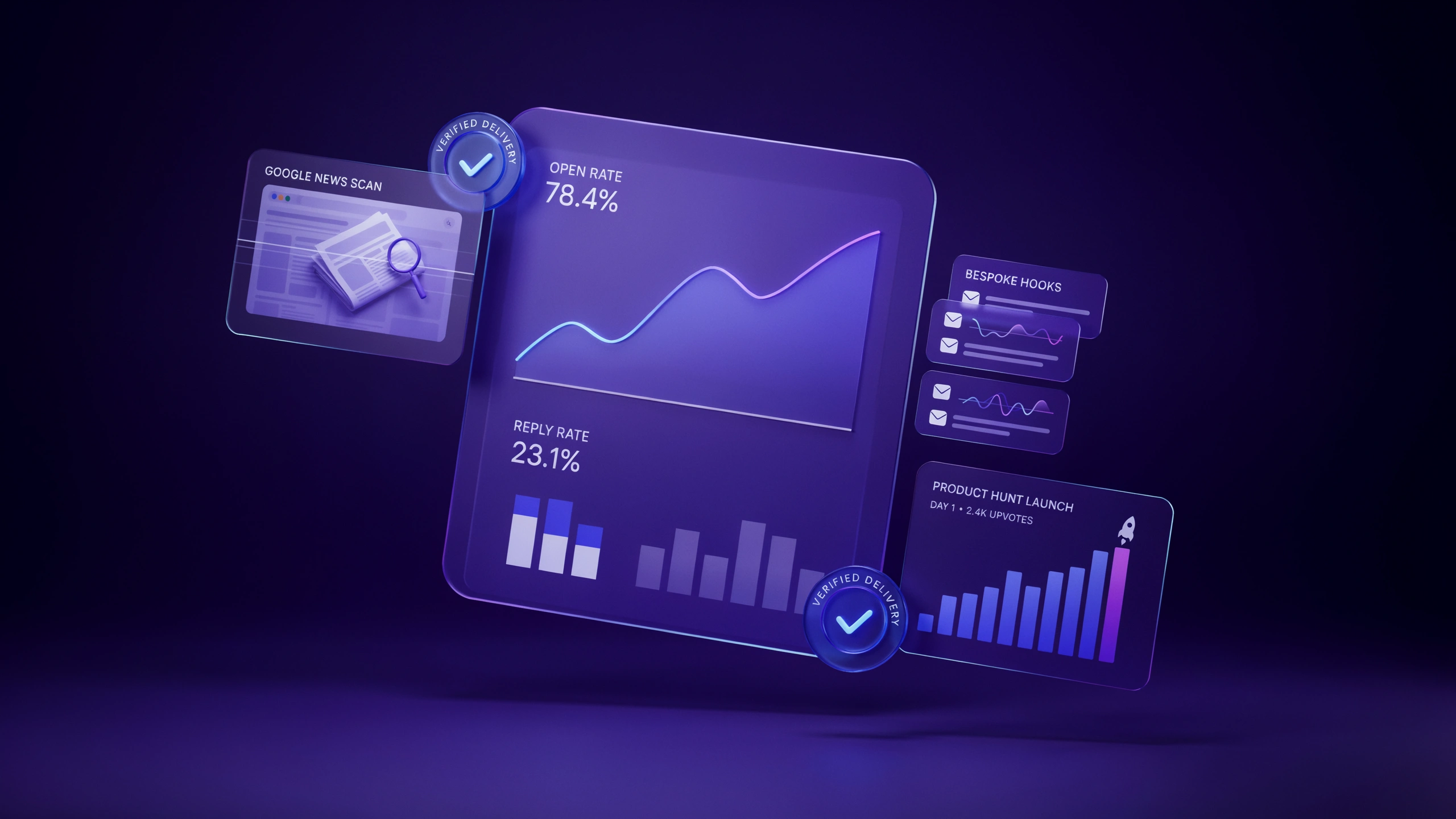
Figure 2: Performance metrics and response tracking across targeted outreach.
Critical Mistakes Founders & PR Teams Make (And How to Fix Them)
The gap between a Top 5 finish and a launch that evaporates by T-plus 48 is rarely product quality. It's a small set of launch mistakes that repeat across nearly every failed 2026 campaign. Here are the failure modes we see most often—and the specific fix for each.
Mistake 1: Treating the Upvote as the Product
The failure: Founders optimize the entire campaign around a single metric—upvote count in the first three hours—then watch the launch flatline because the page has no substance for the community (or an AI engine) to engage with. Sudden, non-organic upvote spikes are actively discounted by the ranking algorithm, so the "get to #1 by brute force" playbook now actively backfires.
The fix: Optimize for comment depth and reply substance, which the community manual-curation layer rewards and which become permanent citation assets. Anchor every ranking tactic to a credibility first principle: a dense, skeptical-engineer-proof page. The ranking is downstream of trust, not the other way around.
Mistake 2: The Static-List Blast That Poisons Your Domain
The failure: A founder buys or reuses a list of 400 "relevant" journalists, blasts a 1,200-word pitch, and logs a wave of bounces and non-responses. Beyond the wasted send, bounced emails degrade domain sender reputation—so the next campaign, the one with a genuinely well-targeted pitch, lands in spam. With roughly half of reporters already receiving 50+ pitches per week and a majority calling fewer than a quarter relevant, a stale-list blast is the fastest route to the noise floor, per the Muck Rack State of Journalism research.
The fix: Verify every inbox against a current byline before sending, and cap your list at 8–15 high-fit reporters. A clean, small send protects reputation and converts at a multiple of what a blast achieves.
Mistake 3: Launching Without a Dated News Peg
The failure: Teams pitch a "revolutionary" product with no dated peg, no verifiable metric, and no named source—then wonder why reporters who cover the exact beat don't bite. Editors build coverage calendars around embargoed, dated pegs, so a pitch with no "why now" gives a reporter nothing to hang a story on, per Cision's media and credibility research.
The fix: Lock a single verifiable "why now" before any asset is built, and repeat it verbatim across teaser, tagline, first comment, and pitch. Consistency is what makes generative engines treat your claim as attributable, consistent with the Princeton University GEO research showing verified statistics lift citation probability by roughly 37%.
Mistake 4: The Ghost Maker
The failure: The founder posts the launch, then disappears—leaving early commenters to field questions from a silent page. Rapid, substantive maker replies are one of the few levers you fully control, and their absence reads as a signal that the product isn't ready for scrutiny. This mistake compounds fast because the first three hours set the thread's tone.
The fix: Block the founder's calendar for the full first 8 hours. Every reply must add a fact, not just say "thanks"—turning the comment thread into a living FAQ that feeds your post-launch content.
The pattern behind all four: Each failure prioritizes motion over credibility. The 2026–2027 winners invert it—every tactic serves the narrative and the trust signal first.
The One-Page Product Hunt Launch Checklist for 2026-2027
Here is the entire operating system compressed into a single actionable product hunt launch checklist you can print, assign, and tick through as a team. Treat each unchecked box as a hard blocker for the next phase.
Pre-Launch Prep
- Lock the category name, the single verifiable "why now," and a named founder quote before building any asset
- Build 3 teaser assets (one visual, one founder voice post, one waitlist micro-page)—no more
- Seed the exact "why now" sentence verbatim across teaser, tagline, first comment, and pitch
- Stand up the waitlist capture funnel to a single list before touching the gallery
- Write the maker's first comment: category definition + "why now" + one verifiable claim
- Assemble the page assets—tagline, gallery, first comment, FAQ, founder bio with verified inbox
- Confirm embargo alignment date/time/timezone against your target outlets' calendars
- Draft the one-page fact sheet, two named quotes, and the launch link (for embargoed send)
- Score your 8–15 target reporters 1–5 on beat fit, recency, angle alignment, reachability (only 14+/20 qualify)
- Verify every inbox against a current byline—flag any unverified address for removal
Outreach Execution
- T-minus 7: Finalize the reporter list; every name passes the 50/50 test
- T-minus 6–5: Send the short embargo offer (date, peg, exclusive-data hook—not the full brief)
- T-minus 4: Send the full embargoed brief to confirmed reporters only (fact sheet, quotes, link)
- T-minus 1: Confirm timing in a single line—no re-pitch, no "just bumping this"
- Launch (00:01 PT): Page live; founder posts the substantive first comment
- Hours 1–3: Founder personally replies to every comment with added substance
- Hours 3–8: Release distribution in waves, not a single blast
- Hours 8–12: Embargo lifts; amplify each piece with a named pull-quote
- Hours 12–24: Update the on-page FAQ with the best questions received
Post-Pitch Nurturing
- T-plus 1: Publish a recap post turning the top 5 comment questions into indexable FAQ content
- T-plus 3: Single-line follow-up to any engaged reporter who hasn't published—new hook only
- T-plus 7: Publish a data-story follow-up with early numbers to give beat reporters a second peg
- T-plus 10: Final follow-up—then stop; a third reads as disregard for the reporter's filters
- T-plus 30: Audit which launch-day language AI assistants are citing; double down on what surfaced
- Log every response, non-response, and follow-up date in one shared tracker for 2027 relationship history
Frequently Asked Questions
Q: How early should I send embargoed pitches before a Product Hunt launch?
Send the short embargo offer at T-minus 6 to 5 days and the full embargoed brief at T-minus 4 days—no later than one day before launch. This window gives reporters time to slot your peg into their calendar while keeping coverage synchronized with your page going live, which is how outlets like TechCrunch time launch-day announcements.
Supporting detail: A pitch that arrives on launch morning frequently misses the reporter's planning cycle entirely. Because Pew Research Center Journalism continues to document shrinking newsrooms covering more ground, reporters plan further ahead and filter harder—meaning an early, well-targeted embargo offer beats a last-minute scramble every time.
Q: What's the right number of journalists to target for a Product Hunt launch?
Target a tight 8–15 reporters who pass the 50/50 test, not a broad blast. Precision almost always outperforms volume because roughly half of reporters already receive 50+ pitches per week and most call fewer than a quarter relevant, per the Muck Rack State of Journalism research.
Supporting detail: A smaller list you can fully personalize—bespoke hook per piece, verified inbox, named founder quote—converts at double-digit rates versus the low single digits typical of spray-and-pray, per Propel PR's research blog. If you can't write a specific one-sentence hook tied to a reporter's recent article, that reporter isn't a fit yet.
Q: Which assets matter most on launch day—the gallery or the first comment?
The first comment matters most for durable citations, with the tagline a close second—the gallery is a conversion layer, not a citation layer. Your founder's first comment is where the category name, "why now," and verifiable claim live, and that's the language AI engines and journalists retrieve for months.
Supporting detail: The Princeton University GEO research found verified statistics lift citation probability by roughly 37% and authoritative source links by roughly 40%—so pack the first comment with a sourced number rather than adjectives. The tagline is your future AI-citation anchor; make it assert a category and a claim, not a slogan.
Q: How do I measure whether a launch actually worked beyond the rank?
Measure three things beyond rank: earned-media pickup, AI-citation surface area, and sustained referral—rank is a proxy, not the outcome. Track which outlets covered you, which launch-day phrasings AI assistants quote back at 30 days, and whether traffic holds weeks after the badge fades.
Supporting detail: The Reuters Institute Digital News Report documents accelerating audience migration toward AI-summarized news surfaces, so earned citations inside AI answers are now part of launch ROI—not an afterthought. Build the measurement into your T-plus 30 audit and you'll know which language to double down on heading into 2027.
Conclusion: Scaling Your Media Coverage with Pytch
A Product Hunt launch is a single 24-hour event; the coverage it earns—or fails to earn—compounds for two years. The companies that win in 2026–2027 aren't the ones with the longest checklist or the biggest contact list. They're the ones who engineer credibility into every surface, from the tagline to the first comment to the 160-word pitch that lands in a live inbox at the right moment.
That last part—the journalist, reached while they're actively writing your story—is the lever most teams still fumble. Static databases trade on a frozen past; launch day demands the present. Pytch (pytch.cc) was built around exactly this workflow: scan Google News to find the reporter writing your topic this week, verify the inbox so your domain reputation stays intact, and craft a bespoke hook against their real, recent piece. It's the difference between a blast that sends a message and a scan that starts a conversation—and it's the conversation that becomes launch-day verified coverage.
The 2027 readiness test: If you can't name the reporter, their recent article, and a verified inbox right now, you're not ready to launch—you're ready to spam.
Here's your action plan. Run your first media search on pytch.cc today: bring your category, run a Google News scan, and surface the ten reporters actively covering your space this week. Verify the inboxes, score them 14+ against the 50/50 test, and draft one bespoke hook per piece. That's the entire pre-launch outreach phase—done in an afternoon instead of a quarter. Then let the product hunt launch checklist above carry the rest: teaser, assets, embargo sequencing, hour-by-hour execution, and the T-plus 30 audit that tells you which language AI engines are already quoting back.
Launch day is a moment. The citation and the relationship are the asset. Build for the asset—starting with your first media search on Pytch.
<!-- SEMANTIC_CLUSTER_START -->Tactical Reference Table: Scenario → Action → Benchmark
| Scenario | Exact Action | 2026 Benchmark |
|---|---|---|
| Preparing for product hunt launch (T-14) | Segment 40–60 warm contacts by timezone; draft 2 taglines | 30 upvotes in first 90 min = front-page floor |
| Product hunt launch strategy 2026 (hour 0) | Publish 12:01 a.m. PT (total-day) or 5 a.m. PT (wake-up velocity) | Sub-10-min comment reply rate |
| How to get #1 on product hunt (hour 1–4) | Trigger 40-contact list with soft CTA + comment ask | Comment velocity > upvote-only solicitation |
| Product hunt first day playbook (hour 4–12) | Fire product hunt media amplification stack | 2–3× comment spike from earned coverage |
| Amplification density | Layer owned → earned → paid in that order | Never buy upvotes; algorithm detects it |
Related Playbooks in the Startup Press & Launch Cluster
Explore connected guides in our Startup Press & Launch semantic cluster:
- How To Write A Launch Press Release: How to Write a Launch Press Release in 2026 That Actually Drives Media Coverage
- Startup Press Release Template: Startup Press Release Template: 5 Formats Tech Reporters Won’t Immediately Delete in 2026
- How To Get Featured In Forbes: How to Get Featured in Forbes: The 2026-2027 Playbook for Founders, PR Pros & Marketing Teams
- Techcrunch Pitch Embargo Rules: PR Embargo Rules Explained: 2026 TechCrunch Pitch Embargo Rules for Tier-1 Exclusives
- How To Announce Funding Round: How to Announce a Funding Round in 2026: Seed & Series A Press Coverage Playbook