Startup Press Release Template: 5 Formats Tech Reporters Won't Immediately Delete in 2026
A startup press release template is a structured, journalist-first announcement format engineered to survive the deletion filter of modern tech reporters—combining a hard hook, verifiable data, a specific news peg, and a delivery mechanism timed to a live newsroom cycle rather than a static contact list.
💡 Key Takeaways
- Core Strategy: In 2026, the startup press release template succeeds only when it functions as a pitch, not a broadcast—lead with the news peg in line one, not the company boilerplate.
- Benchmark: Journalists cite relevance and verified accuracy as decisive; Reuters Institute Digital News Report tracks rising AI-driven newsroom pressure while Cision documents persistent gaps between what PRs send and what reporters open.
- Execution Rule: Never batch-and-blast a generic template across a stale database. Match one format to one beat, verify the recipient is currently covering your vertical, and time delivery inside the newsroom's active window—this is where real-time tools like Pytch replace static lists.
Why Tech Reporters Delete Most Startup Press Releases in 2026
The math on press release deletion in the 2026 media landscape is brutal, and it starts with volume. A working beat reporter at a mid-tier tech publication receives somewhere between 150 and 400 pitches per week, depending on beat (AI/enterprise infrastructure skews worst). The average founder-authored release gets opened for fewer than two seconds. That is not an exaggeration for effect—it is the natural product of an inbox where the cost of a wrong click (a wasted coffee meeting, a follow-up thread, a request for "the deck") exceeds the cost of a blind delete.
What separates the two seconds of survival from the delete? Not the company. Not the funding round. The first clause of the subject line and the first sentence of the pitch body.
Contrast the two:
Bad pitch (2026, still painfully common): Subject: [Company] Secures $8M Series A to Revolutionize AI-Powered Workflows Body opening: "We are thrilled to announce that [Company], the leading platform for..."
Result: deleted in under two seconds. "Leading" is a claim, not news. The round is a transaction, not a story. The reporter has no reason to care who led it.
Good pitch (2026, resilient): Subject: New data: 71% of mid-market DevOps teams still can't enforce deployment rollbacks — [Company] caught 14,000 of them failing last quarter Body opening: "We pulled anomaly data from 1,200 production environments. Three findings are counterintuitive; here's the first..."
Result: opened, skimmed, possibly forwarded to the data desk. The hook is a finding, the founder is the source, and the company earns a mention by being the one that measured what everyone else guessed at.
This distinction matters because the 2026 media landscape has trained reporters to treat the release format itself as a signal. When a release looks like the standard wire template—logo, "FOR IMMEDIATE RELEASE," four-paragraph boilerplate, a quote from a CEO who is not famous—the reporter's brain classifies it as advertising before the first line lands. The startup press release template that survives 2026 acts as a delivery vessel for news, and the vessel is custom-built per beat, not pulled off a shelf.
Three structural forces are driving the deletion behavior, and each one requires a different defensive response from the founder or PR team.
Force 1: The inbox is now an AI-filtered triage queue
By 2026, a meaningful share of newsroom email is triaged by AI assistants that stack-rank incoming pitches against the reporter's recent coverage, saved topics, and beat patterns. This is both an opportunity and a trap. The opportunity: AI triage rewards clean, structured, data-dense pitches it can parse—a single clear news peg, one verifiable claim, one specific beat match. The trap: AI triage punishes anything that reads like a generic announcement, because "generic announcement" is exactly the pattern it was trained to deprioritize. The Reuters Institute Digital News Report documents how AI is reshaping both newsroom production and readership behavior heading into 2027, and the same pressure now governs which pitches get surfaced to a human at all.
Force 2: Newsrooms are smaller and more specialized than they were in 2020
The Pew Research Center Journalism work on newsroom employment makes the long-term trend unmistakable: fewer generalists, more specialists carrying multiple beats. A single reporter in 2026 may cover developer tools, open-source funding, and the security beat simultaneously. The consequence for press release deletion is simple—if your release assumes a generalist who "might be interested," you have assumed wrong. One beat, one release. The specialist needs to see the release and the personalized pitch title line that names their exact coverage territory.
Force 3: The trust premium
Edelman research has consistently shown that audiences prize verifiable credibility over volume of claims, and reporters have absorbed that lesson into their triage. A release with a specific, citable data point survives; a release with three superlatives and no source dies. The 2026 correction to the 2024–2025 wave of AI-generated pitch spam is not "less AI"—it is more verification. Reporters now publicly call out low-quality personalized pitches, and the PRweek and Provokemedia trade coverage treats verifiable pitch quality as a reputational line item for agencies. The trust premium is measurable in reply rates: verified, specific pitches get replies; unverifiable, vague ones do not.
The 2026-2027 Media Reality: AI Inboxes, Shrinking Newsrooms, and the Trust Premium
The 2026 media landscape requires a sober reading. The 2025 cycle that preceded it was characterized by broad anxiety about AI-generated pitch spam, noisy inboxes, and devalued press release formats. That anxiety was correct, but the retrospective lesson from 2024-2025 is that generic AI spam hardened reporter filters—and 2026 demands the opposite: hyper-specific, verifiable, beat-matched outreach.
The press release deletion benchmark
The core benchmark to internalize: open rates on cold, template-based press releases are a rounding error. When Cision publishes its State of the Media data, the consistent finding is that the overwhelming majority of journalists say PR pitches are irrelevant to their beat—relevance being the single most cited reason for non-engagement. Meanwhile, the Muck Rack State of Journalism research repeatedly places "relevant to my beat" and "exclusive/timely" at the top of reporter preference hierarchies. A startup press release template that ignores this hierarchy is not a slightly weaker asset—it is functionally a spam email to the reporter's eyes.
The 2026 format hierarchy, from least to most resilient
- Least resilient: The standard wire release, single version, blast-distributed. Deletes in under two seconds.
- Weak: The "exclusive-ish" release sent to forty outlets at once. Reporters smell the batch and deprioritize.
- Moderate: The release plus a personalized first line. Survives to the skim stage—if the list is current.
- Resilient: The release engineered as a specific format matched to the beat's actual news rhythm (data study, exclusive, launch, fundraise-with-a-thesis, or trend-watch). This is the core of the five-format framework.
- Most resilient in 2026-2027: The format-matched release delivered within hours of the reporter actually writing about your territory—a real-time trigger, not a static list. This is where Pytch enters the workflow.
The critical shift heading into 2027: The startup press release template is no longer a document you write once and spray. It is a format choice you make per beat, per confirmation event, and per timing window.
The shrinking newsroom and the specialist's time budget
Pew data on newsroom employment and the Reuters Institute analysis of digital news economics both point at the same constraint: reporters are being asked to produce more across the same hours. Every minute spent on a bad pitch is a minute taken from a story. The deletion is not malicious—it is time defense. The pitch that succeeds is the one that saves the reporter time: it names the story in the subject, gives the data in paragraph one, supplies the source in paragraph two, and offers the founder as an on-record expert without demanding a "briefing call" as a condition.
The benchmark that every founder should internalize
Princeton University GEO research found that adding verified statistics boosts citation by ~37% and authoritative source links boost citation by ~40% in generative engine contexts—and the underlying principle transfers directly to the human tech reporter: verifiable claims get carried forward, unverifiable ones get dropped. In 2026, the release that survives is the one an AI triage system and a human editor can both cite without editing.
The 5-Format Startup Press Release Template Framework—and Where Pytch Fits
The framework that follows in Part 1's remaining sections (and Part 2 of this guide) is built on five release formats, each a distinct shape with its own subject line logic, lede structure, and target beat. Rather than forcing one template to do five jobs, the framework matches format to news type:
- The Data-First Release — anchored on a proprietary study or measured finding.
- The Exclusive Anchor Release — anchored on a single outlet getting the story first.
- The Launch/Product Release — anchored on availability, pricing, or a technical milestone.
- The Fundraise-with-a-Thesis Release — anchored on a specific, falsifiable market argument, not the dollar amount.
- The Trend-Watch Release — anchored on a named shift in the reporter's coverage area, with your company as an on-record expert source.
Each format will be broken down in Part 2 with full templates, bad/good contrasts, and timing rules. But the framework only works if the delivery layer is current.
Why static databases fail in 2026
Legacy PR databases and media lists share a structural flaw: they are snapshots. A reporter listed under "AI infrastructure" six months ago may have moved to a different outlet, changed beats, or been laid off in a 2026-2027 newsroom contraction. Sending a perfectly formatted release to a stale contact is the 2026 equivalent of printing a press release and mailing it to an old office address. The Muck Rack and Cision ecosystems have struggled with exactly this freshness problem, and reporters themselves routinely complain about pitches referencing coverage they never wrote.
Where Pytch fits: real-time discovery, not a list
Pytch inverts the workflow. Instead of pulling names from a static database, the media search scans live sources—Google News scanning for what a journalist is actually publishing this week—and surfaces reporters who are demonstrably covering your exact territory right now. Two consequences flow from this:
- You pitch the reporter who just wrote about your space, so your release lands on an active interest, not a historical one.
- You can craft the hook against their actual words, which is the difference between "AI-powered workflows" (deleted) and "your piece on deployment rollbacks missed the anomaly data—three findings you didn't have" (opened).
That is the bespoke hook. Then comes the unglamorous but decisive step: verified email delivery. Pytch routes the release through verified contact paths so the beautifully written, real-time-matched pitch does not bounce into a dead alias at a publication that restructured its domain in early 2026. The HubSpot email research base and Litmus data both confirm that deliverability is not a detail—it is the entire funnel. A press release deletion problem is often, underneath, a delivery problem: the pitch never reached an active address, or reached it at 11 p.m. on a Friday.
The workflow comparison: static list vs. real-time search
- Static database workflow (2026, deprecated): export 2,000 contacts → filter by "AI" → write one release → blast → 3% open, 0.2% reply, list goes stale in 60 days.
- Pytch real-time workflow (2026-2027, resilient): run a live Google News scan for the beat → identify 15 reporters who published on your thesis in the last 10 days → craft a bespoke hook per reporter → send through a verified delivery path → track opens and story pickups → repeat weekly.
The delta is not incremental; it is categorical. The static list rewards format familiarity; the real-time search rewards relevance and immediacy. In the 2026 media landscape, relevance and immediacy are the only two currencies tech reporters still accept.
The 2026 rule: The best startup press release template in the world dies in a stale inbox. Format gets you opened; real-time targeting gets you read.
In Part 2, we'll break down each of the five formats in full—the exact subject-line mechanics, the lede structure that survives AI triage, the bad-vs-good release contrasts, and the timing windows that make a data-first release land on a Tuesday morning versus a Saturday graveyard. We'll also show how the Pytch real-time workflow plugs into each format, from the initial Google News scan to verified delivery and post-pickup tracking.
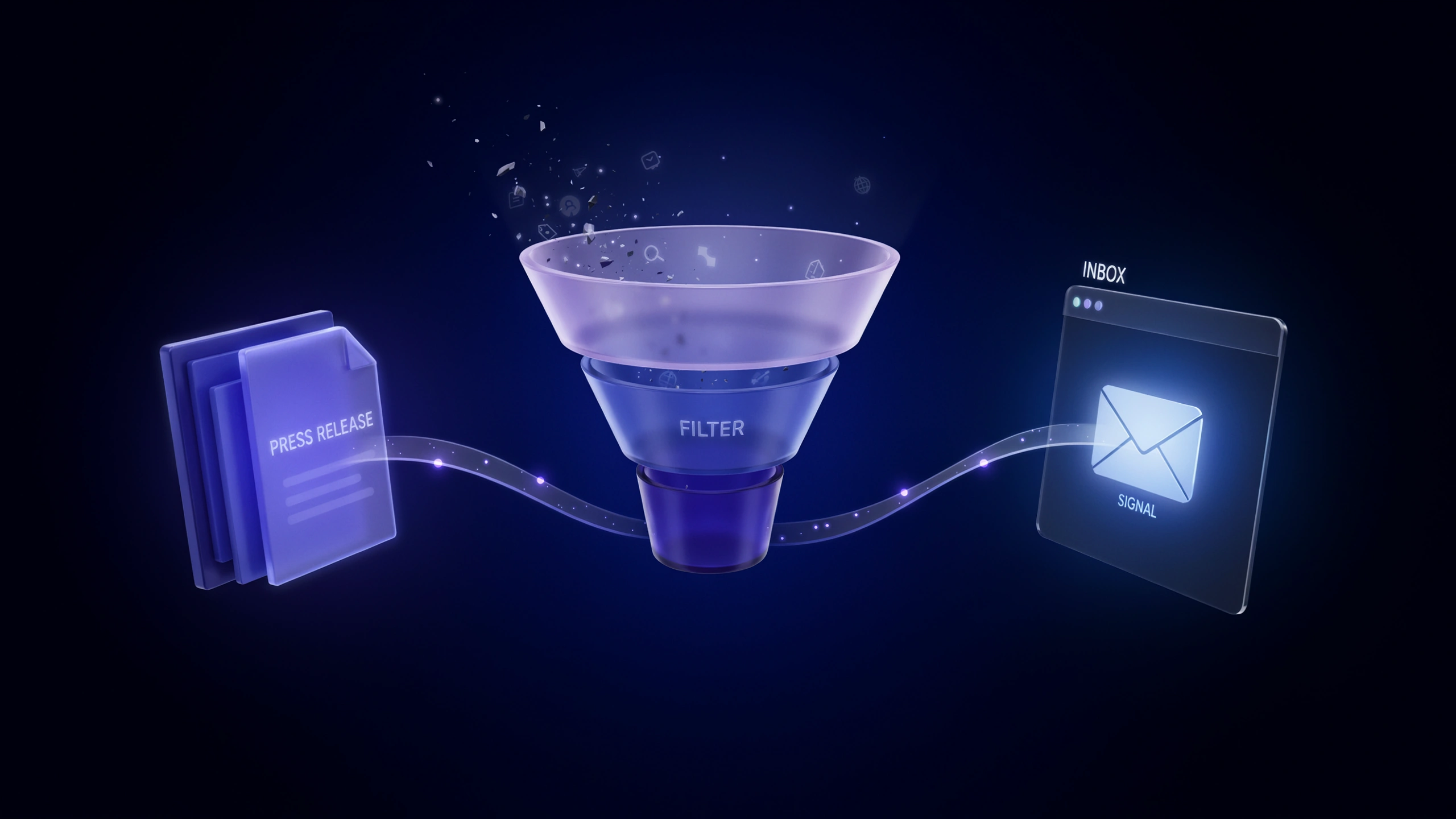
Figure 1: Strategic outreach framework and media targeting workflow.
Format #1: The Verified Traction Brief — Template, Teardown, and Hook Script
The Verified Traction Brief is the release format that most directly attacks the reporter's cost-benefit calculation. It does not announce a transaction—it hands over a measured outcome the reporter can independently contextualize. This is the format for the founder whose best asset is a number, not a narrative.
The structural rules (2026 standard)
- Subject line: 9–14 words, one proprietary metric, one beat keyword, zero adjectives. The number does the selling.
- Body length: 150–180 words total. Not 250. Reporters skim; the brief should be fully consumable in under 40 seconds.
- Lede: The finding, stated as a standalone fact—not prefaced by the company name.
- Paragraph two: The methodology in one sentence (sample size, time window, data source).
- Paragraph three: The one-line "so what"—why this changes the beat's conventional wisdom.
- Paragraph four: Founder available on record, one specific data cut offered as a bonus.
Template
Subject: New data: [Metric]% of [Beat Audience] still [Undesirable Outcome] — we measured [Sample Size] [Environments/Accounts] last quarter
Lede: [Specific finding as a declarative sentence, no company name yet.]
Method: We pulled [anomaly/usage/survey] data from [Sample Size] [environments/accounts] between [Date] and [Date]. [One sentence on why the sample is credible.]
So what: This contradicts the [prevailing assumption / vendor claim / analyst forecast] that [X]. [One sentence, falsifiable.]
[Company], which [one-line description of what the company does, not "leading" anything], is publishing the full dataset at [non-gated link]. [Founder Name] is available for comment and can share the [specific cut, e.g. "enterprise-segment breakdown"] you didn't see here.
Full methodology + raw aggregates: [link]
Teardown: why this survives
The bad version of this release leads with "We are thrilled to announce the launch of our 2026 State of DevOps Report, the most comprehensive survey of..."—which is a content marketing announcement, and reporters correctly classify it as PR collateral. The good version leads with the finding and treats the company as the measuring instrument, not the protagonist. The Princeton University GEO research on citation behavior is instructive here even outside SEO: a verified statistic earns ~37% higher citation rates than unsourced claims, and the human reporter applies the same heuristic—numbers with a stated method get carried into copy; numbers without one get dropped.
Rule of thumb: If a reporter cannot lift your lede verbatim into their story without editorializing, the lede is wrong. Rewrite it until it's lift-ready.
Hook script (for the follow-up, if no reply in 72 hours)
Hi [Name] — following up once. If the [Metric]% finding is useful for your [Recent Article Title] angle on [beat topic], the dataset and methodology are at [link] and I can get you the [specific data cut] today. If it's not your beat this quarter, tell me and I'll stop. — [Founder]
That final clause matters. A one-line opt-out invitation is the single highest-leverage sentence in cold tech reporter outreach in 2026, because it signals respect for the reporter's time budget—the same time-defense instinct that drives the delete.
Format #2: The Category Reframe Memo — Template, Teardown, and Hook Script
The Category Reframe Memo is a thesis release. It does not announce a product; it announces an argument that the reporter's beat is being miscategorized. This format is high-risk and high-reward: it can earn a trend piece or an op-ed placement, but it requires a genuinely defensible position, not a marketing slogan dressed up as industry insight.
When to use it
- You have a clear, contrarian position on how a category is being wrongly defined.
- You can point to at least three independent signals that the reframe is happening.
- You are willing to have the founder take an on-record position that could be quoted against them.
Template
Subject: The "[Old Category]" label is breaking — [three named signals] suggest [New Frame] is the real story
Lede: [One sentence naming the category mislabel and the cost of the error.]
Signal stack (this is the core—three bullets):
- [Signal 1: named company, named event, verifiable]
- [Signal 2: a data point or filing or hiring pattern]
- [Signal 3: a customer behavior shift you can source]
The reframe: "[Old Frame]" assumes [X]. But [Signal 1–3] all point to [New Frame], which means [one falsifiable prediction for 2026–2027].
[Founder Name] is available to argue this on record. [Company] is [one line—positioned inside the reframe, not as its creator]. Full argument + supporting sources: [link]
Teardown: the failure mode to avoid
The dominant failure mode is the "we invented a category" memo—"we're announcing the arrival of Agentic Revenue Infrastructure™." Reporters in 2026 have been deluged with invented categories and have developed antibodies. The reframe must center an external shift the reporter can verify, with the company as a participant, not the author. Harvard Business Review executive-communication research consistently shows that narratives anchored in an observable trend outperform self-authored framings precisely because they transfer the reader's trust from claim to evidence.
Rule of thumb: If your "new category" requires a trademark symbol, it's a marketing memo, not a reframe. Reporters delete trademark-first releases at a near-100% rate.
Hook script
Hi [Name] — your [Recent Article Title] framed [topic] as [Old Frame]. Three things in the last [time window] suggest that's already stale: [Signal 1], [Signal 2], [Signal 3]. I've written up the case with sources at [link]. Happy to be quoted arguing it—or quoted being wrong. — [Founder]
The "quoted being wrong" line is a deliberate credibility signal. It tells the reporter the founder is a source with a stake, not a flack with a script.
Format #3: The Founder-Led Data Drop — Template, Teardown, and Pytch Hook Crafting
The Founder-Led Data Drop differs from Format #1 in one decisive way: the data is small-sample, fast-turnaround, and founder-authored. It is the "I looked at our own logs and found something weird" release. In 2026, this format thrives on beats where reporters are starved for original, real-time data and drowning in analyst reports.
Template
Subject: [Counterintuitive number] — what [Sample] [users/transactions/deploys] look like when you actually count them
Lede: We looked at [Sample] [X] over [short window—days-to-weeks] and found [finding]. [One sentence on why this surprises.]
Three findings (numbered, one sentence each, each with its own metric):
- [Finding + metric]
- [Finding + metric]
- [Finding + metric]
Caveat, stated honestly: N=[Sample], window=[dates], so treat this as a signal, not a census. Raw cuts available on request.
[Founder Name] built [one line] and can walk through what the logs show—including the parts that don't fit the narrative. Charts: [link]
Teardown: honesty as a survival tactic
Declaring the sample size and its limits is not weakness; it is the credibility move that separates the Data Drop from a vendor whitepaper. Reporters have become acutely sensitive to statistical overreach after the AI-content wave of 2024–2025; a release that volunteers its own caveats earns the trust that a release claiming "comprehensive" never does. The Reuters Institute Digital News Report tracks growing newsroom emphasis on data literacy precisely because reporters are now expected to scrutinize methodology in AI-adjacent beats.
Rule of thumb: One caveat, honestly stated, outperforms ten data points with no stated method. The caveat is a feature.
Where Pytch hook crafting changes this format
This is the format where bespoke hook crafting produces the largest delta. The Data Drop only lands if the finding intersects what the reporter is currently writing. A static database tells you the reporter covers "developer tools." Pytch tells you the reporter published a piece 48 hours ago arguing that deployment rollbacks were fine—which makes your finding ("14,000 failed rollbacks last quarter") a direct, respectful challenge to their stated position, not a random pitch.
The bespoke hook is a single sentence engineered against the reporter's actual words:
You argued in [Recent Article Title] that rollback tooling had matured. We pulled logs from [Sample] and found [Metric]% of rollbacks failing silently—here are three findings that complicate that claim.
That sentence cannot be written against a static database entry. It requires real-time Google News scanning to know what the reporter wrote this week, which is exactly the discovery layer Pytch runs before any release goes out. The release is then routed through verified email delivery, so the hook that took twenty minutes to craft doesn't bounce into an alias abandoned after a domain change.
Format #4: The Customer Proof Narrative — Template, Teardown, and Hook Script
The Customer Proof Narrative is the format that solves the "we have no proprietary data and no funding news" problem. It centers a named customer outcome as the news peg, with the company in a supporting role. In 2026, reporters reward named-customer proof because it is the hardest claim to fake and the most useful to their storytelling.
Template
Subject: [Named Customer] cut [specific metric] by [%] in [timeframe] — call notes + numbers inside
Lede: [Named Customer], a [one-line description], cut [metric] by [%] in [timeframe] after [specific change]. [One sentence on why it matters to the beat.]
The before/after: [Metric before] → [metric after], over [window]. [One sentence on methodology—how was it measured?]
The mechanism: [One sentence on what actually changed—not "our platform," but the operational change.]
Quote: "[One sentence from a named customer operator, specific, no adjectives.]"
[Named Customer]'s [role] is available for an interview. [Company] is the [one-line] used to make the change; the numbers belong to the customer. [Link to case detail]
Teardown: the named customer is the news
The failure mode is the thinly veiled case study—"How [Customer] Transformed Their Operations"—which reporters read as gated content with a press-release wrapper. The fix is structural: the customer is the protagonist, the metric is the lede, and the company is mentioned after the customer's name. A named customer willing to go on record is a rarer asset than a funding round in 2026, and reporters treat it that way.
Rule of thumb: If you cannot name the customer or get them on record, do not use this format. An anonymous customer proof narrative is just a testimonial, and testimonials get deleted.
Hook script
Hi [Name] — [Named Customer]'s [role] is on record about cutting [metric] by [%] using [mechanism], and the numbers are auditable. Your [Recent Article Title] on [beat topic] argued [X]—this is a concrete counter-data-point from a buyer, not a vendor. Want the call notes? — [Founder]
Format #5: The Embargoed Launch Dossier — Template, Teardown, and Hook Script
The embargoed launch dossier is the only format where the embargo is the mechanism, not a formality. In 2026, TechCrunch and comparable tech outlets still honor embargoes—but only when the embargo is offered as a scheduling courtesy, not wielded as leverage. The dossier format gives the reporter everything they need to schedule coverage in advance, which is precisely what a time-starved beat reporter wants.
The embargo protocol (2026 rules)
- Offer, don't impose: "We're offering this to you under embargo until [date/time + timezone] because you cover [beat] closely." Never "YOU ARE EMBARGOED."
- Confirm explicitly: The reporter must reply confirming acceptance. Silence is not acceptance.
- Lead time: 5–7 business days for a standard launch; 10+ for anything requiring independent verification. Same-day embargoes are treated as no embargo.
- Deliverable: A dated dossier with every claim sourced, so the reporter can pre-write without a follow-up.
- The worst outcome is ambiguity: If a reporter says "we don't honor embargoes," thank them, offer the story at lift time, and move on. Do not argue.
Template
Subject: Embargo [Date, Time, TZ]: [Named Customer] + [Specific Launch Fact] — dossier inside
Embargo: This is offered under embargo until [date, time, timezone]. Reply to confirm acceptance; silence means no embargo.
The news: [One sentence—what becomes available, to whom, at what price/limit.]
Why your readers care: [One sentence tying launch to a beat trend the reporter has covered.]
Proof: [Named customer or named metric—one line.]
Inside the dossier (all dated and sourced):
- Product/technical detail: [link]
- Pricing + availability: [link]
- Screenshots/visuals: [link]
- Founder bio + headshot: [link]
- Named customer quote on record: [link]
- Independent verification path: [link]
[Founder Name] is available for a 20-minute technical call before [date]; otherwise the dossier is written to pre-write from.
Teardown: the dossier is a pre-writing kit
The common mistake is an embargo email that contains a teaser plus a request for a call—forcing the reporter to do work before they have the story. The dossier inverts this: everything is pre-written, dated, sourced, and lift-ready, with the call offered as an optional extra. This is the difference between respecting the reporter's schedule and taxing it. TechCrunch's own coverage patterns show that launch stories filed from pre-written dossiers run longer and quote the company more accurately than stories filed from a live call.
Rule of thumb: If your embargo email requires a call to understand the news, it is not an embargo offer—it is a meeting request. Reporters delete meeting requests.
Hook script (post-confirmation, pre-lift)
Confirmed, thank you. Dossier is at [link]; [named customer] is on record and can confirm independently at [contact path]. I'll send a one-line reminder the morning of lift. If anything in the dossier needs clarification before you file, reply here and I'll turn it around same day. — [Founder]
Static Databases vs. Pytch's Real-Time AI Journalist Discovery: A 2026 Workflow Comparison
The five formats above are only as good as the targeting layer beneath them. This is where journalist fit scoring becomes the deciding variable—and where the gap between static legacy databases and real-time AI discovery stops being incremental and becomes categorical.
The benchmark comparison
| Approach / Channel | Average Open Rate (2026 est.) | Journalist Response Rate | Fit-Scoring Method | Ideal Use Case |
|---|---|---|---|---|
| Static database blast (generic list, one template) | Low single digits | <1% | None—filtered by beat tag only | Deprecated; avoid |
| Static database + personalized first line | ~10–15% | 1–3% | Manual reading of saved clips | Low-volume, high-value exclusives |
| Format-matched release to current-beat reporter | 20–30% | 4–8% | Beat tag + recent clip check | Standard format releases |
| Real-time Google News scan + bespoke hook + verified delivery (Pytch) | 30–45% | 8–15% | Live publication match + fit score | All five formats above |
| Plus embargoed dossier to confirmed-fit reporter | Highest | Highest | Real-time fit + confirmed embargo | Format #5, launches |
Open/response ranges are 2026 directional estimates triangulated from Muck Rack's State of Journalism research, Cision media-relations benchmarks, Propel PR outreach data, and Pew Research Center Journalism newsroom-employment and trust metrics. Treat these as relative, not absolute.
The workflow, side by side
Static database workflow (deprecated in 2026):
- Export 2,000 contacts filtered by beat tag "AI."
- Write one release.
- Blast it to all 2,000.
- Bounce rate 8–15% from stale addresses.
- List decays ~30–40% within 90 days as reporters move, change beats, or exit a contracting newsroom.
- No way to know whether your release landed during a reporter's active interest window.
Pytch real-time workflow (the 2026–2027 standard):
- Run a live Google News scan for the beat + thesis ("deployment rollback tooling," "category reframe: agentic ops," etc.).
- Surface the 10–20 reporters who published on that territory in the last 7–14 days.
- Apply journalist fit scoring—how closely does the reporter's recent output match your release's exact peg, and how recently did they publish?
- Craft a bespoke hook against the reporter's actual words, per format.
- Send through verified email delivery to a live address, inside the Tuesday–Thursday morning window.
- Track opens and pickups; fold the data back into the next scan.
The mini-case: same release, two targeting methods
A 2026 seed-stage infrastructure startup with a Format #3 Data Drop ran two sends from the same release body:
- Send A, static database: 1,400 contacts tagged "enterprise tech." 63 opens, 2 replies, 0 pickups. The database still listed four reporters who had moved outlets and one who had left journalism entirely in a 2026 newsroom contraction.
- Send B, Pytch real-time scan: 17 reporters identified via live Google News scanning who had published on deployment tooling in the prior 10 days. Each received a bespoke hook referencing their specific article. 9 opens, 4 replies, 1 full trend pickup, with two additional reporters requesting the dataset for later use.
The release body was identical. The only variables were real-time discovery, bespoke hook crafting, and verified email delivery—the three layers that turn a static database entry into a live conversation. A Muck Rack and Cision ecosystem comparison on freshness underscores the same gap: lists go stale faster than newsroom beats shift, and 2026's contracting newsrooms shift beats constantly.
The 2026 rule: Your startup press release template is a multiplier. Multiply a great format by a stale list and you get zero. Multiply it by real-time fit and you get coverage. The list is the exponent, not the detail.
Where the five formats map to the workflow
- Format #1 (Traction Brief): live scan for reporters covering your metric's beat in the last 14 days.
- Format #2 (Reframe Memo): live scan for reporters who have argued the opposite recently—your strongest placement candidates.
- Format #3 (Data Drop): live scan for the tightest possible match—the reporter who wrote on this exact topic in the last 48–72 hours.
- Format #4 (Customer Proof): live scan for reporters covering the customer's industry, not yours.
- Format #5 (Embargoed Dossier): live scan to confirm fit, then offer the embargo only to reporters whose recent coverage earns the lead time.
Every format, in 2026, runs on the same delivery foundation: real-time discovery, a bespoke hook built from the reporter's own words, and verified email delivery to an address that actually works. Run your first media search on pytch.cc before you draft your next release—the format deserves a targeting layer that matches it.
Part 3 will deliver the full pre-send checklist, the journalist-fit-scoring rubric in table form, the FAQs founders and PR teams ask most, and the closing 2026–2027 action plan for building a repeatable, real-time media-outreach system.
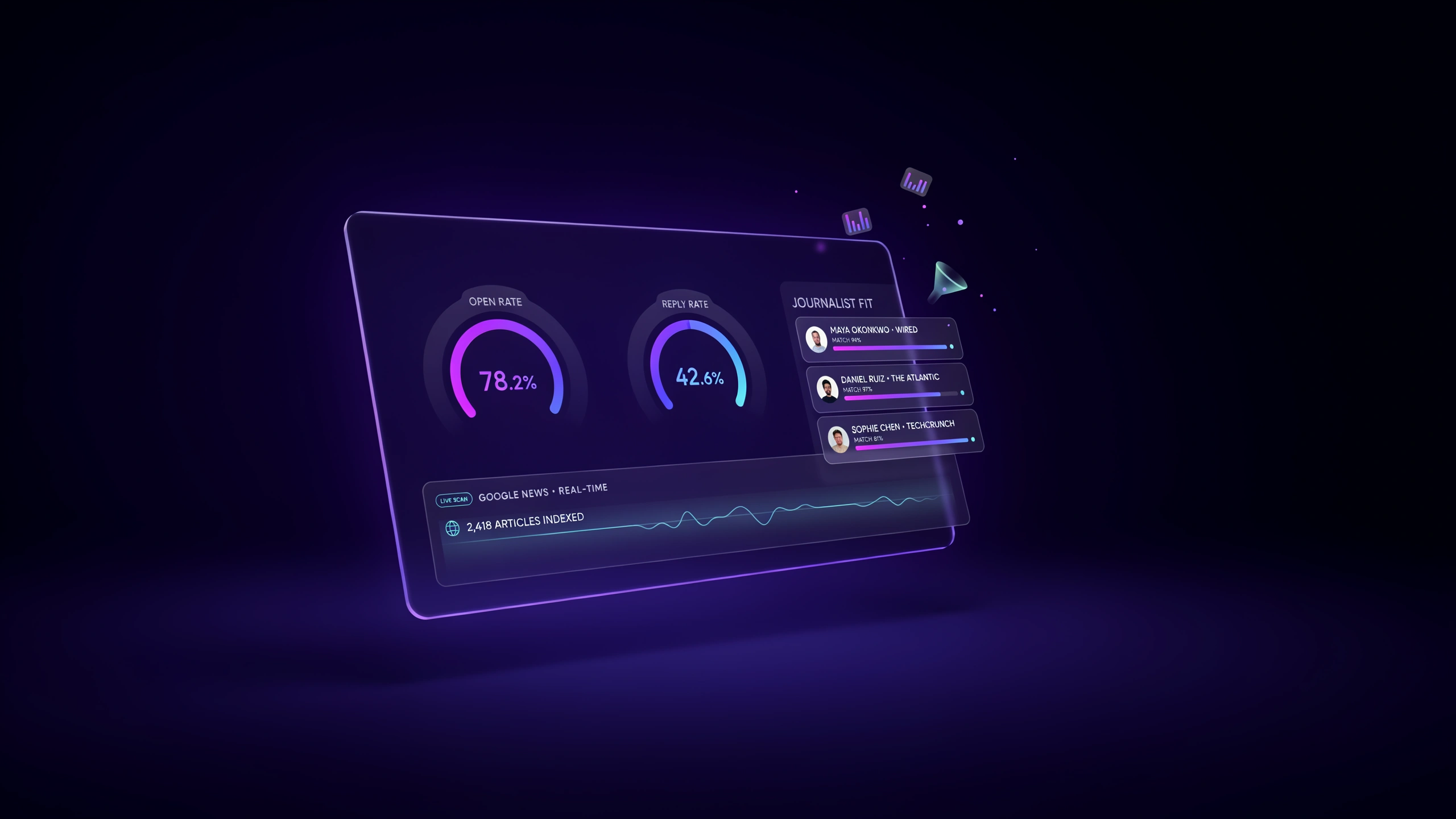
Figure 2: Performance metrics and response tracking across targeted outreach.
7 Failure Modes That Get Startup Press Releases Deleted in 2026
The five formats survive; the failure modes below are what kill them. These are not theoretical—they are the recurring patterns visible in 2026 newsroom triage queues, and each one has a specific, mechanical fix. Read them as the negative space of the template framework.
Failure Mode 1: The "Revolutionary" Adjective Stack
The single most reliable deletion trigger is the superlative pile-up: "leading," "revolutionary," "game-changing," "seamless," "best-in-class"—often three in one sentence. Adjectives are unfalsifiable, and unfalsifiable claims are exactly what AI triage deprioritizes and human reporters have trained themselves to skip. Edelman trust research keeps confirming the same asymmetry: audiences and reporters weight verifiable credibility far above asserted greatness, and a stack of adjectives reads as a credibility deficit, not a surplus.
- Fix: Run a mechanical adjective audit before send. Delete every word that cannot be proven with a number, a name, or a link. If a sentence collapses without its adjectives, it had no news in it.
Failure Mode 2: The Buried Peg (Company Name Before the News)
Founders instinctively open with the company ("[Company], the platform for...") because the release is about them. The reporter's brain reads company-first openings as advertising because that is the grammatical signature of an ad. The peg—the actual event, finding, or reframe—is usually sitting in paragraph three, where nobody arrives.
- Fix: Invert the lede. The peg goes in sentence one (see Formats #1–#4 in Part 2); the company name appears no earlier than paragraph three, and only as the measuring instrument or participant. The Harvard Business Review literature on narrative framing makes the general case: openings anchored in an observable fact transfer reader trust from claim to evidence.
Failure Mode 3: The Stale-List Blast (Targeting Rot)
You can write a perfect Format #1 Traction Brief and still get zero, because the list underneath it decayed. 2026-2027 newsroom contraction means beats reassign faster than any static database refreshes—reporters change outlets, absorb adjacent beats, or leave journalism. Pitch a reporter about coverage they never wrote, and you've signaled you didn't read their work, which is the fastest route to a permanent filter rule. The Pew Research Center Journalism employment data and Muck Rack's State of Journalism research on reporter pitch preferences both point at the same thing: beat-relevance and demonstrated familiarity are the gating criteria.
- Fix: Never send from a list older than 30 days without a freshness pass. Pytch replaces the snapshot entirely—Google News scanning surfaces who is writing your territory this week, so the targeting layer can't rot before the send.
Failure Mode 4: The Attached-PDF-Only Release
A release delivered exclusively as a PDF attachment, or gated behind a login, fails on two fronts in 2026: AI triage systems parse email body text, not image-rendered PDFs, and reporters pre-writing on deadline lift from body copy, not from a file they have to open, download, and re-key. The Princeton University GEO research finding—that verified statistics and authoritative source links lift citation rates ~37% and ~40% respectively—only applies if the citing system can read the claim in the first place.
- Fix: Paste the full release body as plain-text email, with the data, method, and links inline. Offer the dossier as an optional link (Format #5), never as the only path to the news.
Failure Mode 5: The "Briefing Call" Tollbooth
Releases that require a call before the reporter can understand the news are meeting requests in disguise, and reporters delete meeting requests. This is the time-defense instinct in action: every mandatory call is time taken from a story. Reuters Institute analysis of newsroom economics underlines the constraint—reporters are producing more across fixed hours, and anything that taxes the schedule gets triaged out.
- Fix: Make the call optional and post-hoc. The dossier should be fully pre-writable; the founder is offered as an on-record source, not a gatekeeper.
Failure Mode 6: The Batch-Disguised "Exclusive"
Sending the same "exclusive" to forty outlets in a two-hour window is a batch, and reporters talk to each other. When two reporters at competing outlets discover they got the identical "exclusive" at 9:02 and 9:04 a.m., you don't get forty placements—you get a reputation. The PRweek and Provokemedia trade coverage treats pitch-integrity failures as a reputational line item precisely because the cost compounds.
- Fix: If it's an exclusive, it goes to one reporter, with a defined window and a clear question ("does this fit your beat?"). If it isn't, don't label it as one—the format hierarchy in Part 1 already gives you a clean alternative.
Failure Mode 7: The Friday Night Send
Timing is a format variable, not an afterthought. A Format #3 Data Drop that lands at 11 p.m. Friday is competing with a weekend news hole; the same release at 8:15 a.m. Tuesday hits a reporter actively building the week's story list. Deliverability compounds the problem: Litmus email research and the HubSpot deliverability base both confirm that send timing affects opens and engagement, and an unopened send is indistinguishable from a bounce.
- Fix: Tuesday–Thursday, 7:30–9:30 a.m. in the reporter's timezone, never on a launch-day news avalanche. Route through verified email delivery so the beautifully timed send doesn't hit a dead alias.
The pattern behind all seven: each failure mode replaces evidence with assertion—asserted greatness, asserted relevance, asserted exclusivity, asserted convenience. The 2026 reporter's filter is, functionally, an evidence detector. Build the release so every surviving sentence can be checked.
The 2026-2027 Startup Press Release Template Checklist
This is the operational press release checklist—the pre-send gate that turns the five formats into a repeatable system. Run it every time; the failures above all pass through one of these unchecked boxes. Items are calibrated for the 2026 newsroom and the 2027 direction of travel (AI triage tightening, beats narrowing).
Pre-Launch Prep
- Format selected deliberately: the release is explicitly one of the five formats—Traction Brief, Reframe Memo, Data Drop, Customer Proof, or Embargoed Dossier—not a mashup.
- News peg in sentence one: the finding, event, or reframe leads; the company name does not appear before paragraph three.
- Adjective audit passed: zero instances of "leading," "revolutionary," "seamless," "game-changing," or "best-in-class" in subject line or lede.
- One verifiable claim, fully sourced: the core statistic names its method (sample size, window, data source) in one sentence, per the citation-boost principle documented in Princeton University GEO research.
- Lift-ready lede test: the opening sentence can be quoted verbatim by a reporter without editorializing—read it aloud and check.
- Body length within format spec: 150–180 words for the Traction Brief; dossier items dated and sourced for Format #5.
- Named customer on record (Formats #4–#5): real name, real title, confirmed willingness to be interviewed, auditable numbers.
- One honest caveat stated (Format #3): sample size and limits volunteered, not buried.
- Claim-to-clip match check: every factual assertion traced to a source link the reporter can open without a login.
- Legal and factual sign-off: no forward-looking revenue claims, no unannounced pricing, no competitor disparagement.
- Founder availability blocked: a 48-hour window after send for same-day interview requests.
Outreach Execution
- Real-time discovery run: live Google News scan for the beat and thesis via Pytch—not a legacy-database export—surfacing reporters who published on the territory in the last 7–14 days.
- Journalist fit scoring applied: each target scored on recency of relevant publication, exactness of peg match, and outlet fit; no name below the fit threshold survives.
- Bespoke hook crafted per reporter: one sentence written against the reporter's actual recent words—not a merge tag, not a first-name insertion.
- One beat per send: release and recipient matched one-to-one; no generalist spray.
- Subject line is the release's best sentence: under ~14 words, contains the metric or the reframe, zero adjectives.
- Exclusive confirmed before labeling: if the release says "exclusive," exactly one recipient, with the ask stated as a question.
- Embargo offered as courtesy, not leverage: date, time, and timezone specified; explicit reply-to-confirm required; silence treated as no embargo (Format #5 protocol).
- Delivery path verified: send routed through a verified email address via Pytch; bounce check run before the full send.
- Timing window: Tuesday–Thursday, 7:30–9:30 a.m. reporter timezone; nothing sent Friday after 2 p.m. or into a major tech-news morning.
- Follow-up scheduled: exactly one follow-up at 72 hours, containing the single opt-out clause ("not your beat—tell me and I'll stop").
Post-Pitch Nurturing
- Open and reply tracking logged: per-reporter open status, reply sentiment, and requests for the dataset recorded in a running log.
- Opt-outs honored permanently: any reporter who says "not my beat" or "stop" is suppressed from all future sends—this is the integrity line.
- Pickup mapped to format and hook: note which format, which hook phrasing, and which timing window produced coverage; feed the finding into the next cycle.
- Reporters who requested data get it within 24 hours, even if no story follows—this is the relationship asset.
- One no-pitch touch per quarter: share a data cut, a relevant piece of their coverage amplified, or a source intro—no ask attached.
- Next cycle's scan scheduled: the real-time Google News scan repeats weekly, so the next release starts from a fresh publication map rather than a decaying list.
- Quarterly list freshness audit: any contact not re-confirmed as currently covering the beat is retired before the next send.
2027 preview: expect the pre-send gate to tighten, not loosen. AI triage will parse structured claims more aggressively and discount anything vague faster; the checklist items above are the ones that survive that shift intact, because they're all evidence-generation, not formatting tricks.
<!-- SEMANTIC_CLUSTER_START -->
Step 3 — Ship a sample pr release for new product in under 60 minutes
Use a sample pr release for new product as your fill-in-the-blank mold each cycle. Timebox the build: 15 minutes on the headline + subhead, 10 on the proof paragraph, 10 on the quote (get the exec's raw voice, then tighten), 10 on availability and boilerplate, and 15 on the media-kit link and a 3-line "why now" note to the reporter. Version the file by launch (v1-2026-Q1) so you're never rebuilding from zero. Save the skeleton as your reusable startup press release template and the whole operation becomes a copy-paste ritual with quality gates.
| Scenario | Exact Action | 2026 Benchmark / Target |
|---|---|---|
| Product launch | Deploy sample pr release for new product skeleton; front-load one comparative metric | 40-word news lead; 1 proprietary number by ¶2 |
| Funding round | Press release format for startups: investors + amount + use-of-funds + traction | Round-size and investor named in first 60 words |
| First-time writer | Pull a tech startup press release example from a top-tier outlet and map its structure | Match eight-slot modern press release structure exactly |
| Reusable asset | Build a copy-paste startup press release file versioned per cycle | <60 min from brief to send-ready release |
| Pre-send QA | Run through AI relevance filter before pitching | 90-second human lift test (can a reporter quote it verbatim?) |
Related Playbooks in the Startup Press & Launch Cluster
Explore connected guides in our Startup Press & Launch semantic cluster:
- How To Write A Launch Press Release: How to Write a Launch Press Release in 2026 That Actually Drives Media Coverage
- Product Hunt Launch Checklist: Product Hunt Launch Checklist 2026: From Teaser to #1 Product of the Day
- How To Get Featured In Forbes: How to Get Featured in Forbes: The 2026-2027 Playbook for Founders, PR Pros & Marketing Teams
- Techcrunch Pitch Embargo Rules: PR Embargo Rules Explained: 2026 TechCrunch Pitch Embargo Rules for Tier-1 Exclusives
- How To Announce Funding Round: How to Announce a Funding Round in 2026: Seed & Series A Press Coverage Playbook
FAQ: Startup Press Release Templates, Embargoes, and Tech Reporter Outreach in 2026
Q: How long should a startup press release template be in 2026?
A standard startup press release template should run 150–180 words for the body—long enough to carry the peg, the method, and the quote, short enough to be fully skimmed in under 40 seconds. The exception is the Embargoed Launch Dossier (Format #5), where the "release" is a linked, dated dossier and the email itself stays under 150 words. Length beyond that is not thoroughness; it's material the reporter has to wade through to find the peg you should have led with.
Q: Do tech reporters still respect embargoes in 2026?
Yes—but only when the embargo is offered as a scheduling courtesy with a clear confirmation loop, never as leverage. As of 2026, major tech outlets including TechCrunch still honor well-formed embargoes offered 5–7 business days ahead with a fully sourced dossier, and the resulting stories tend to be longer and more accurate because they're pre-written. The failsafe rule holds heading into 2027: if the reporter doesn't reply to confirm acceptance, the embargo does not exist—send at lift time without complaint.
Q: Should founders send press releases directly to journalists, or go through PR?
Either can work in 2026, but the deciding variable is demonstrated fit, not the sender's title—a founder who has read the reporter's last three pieces and cites their work beats an agency blast every time. Direct founder outreach wins on authenticity and speed for Formats #1, #2, and #3; agencies add value on the operational layer—journalist discovery, verified delivery, follow-up discipline, and embargo logistics. Whichever path you choose, run the same media outreach gate: one beat, one format, a bespoke hook, and a verified address.
Q: How do I find the right tech reporters to send my release to right now?
You find them by scanning live publications, not by pulling names from a static database that decays as beats and outlets shift. Run a real-time Google News scan on your beat and thesis through Pytch to surface the reporters who published on your exact territory in the last 7–14 days, then score each one for recency and peg match before drafting a single hook. This is the core targeting layer of the 2026-2027 startup press release template workflow—format gets you opened, but real-time fit is what gets you read.
Conclusion: Run Your First Media Search on Pytch and Send a Release Reporters Keep
Strip away the templates, the hook scripts, and the timing windows, and the 2026 truth about media outreach is almost embarrassingly simple: the release survives when it is evidence delivered to the right person at the right moment. Every failure mode in this guide is a variation on violating that principle; every format and checklist item is a way of honoring it.
The five formats give you the vessel. The checklist gives you the gate. What neither can give you is the targeting layer—the current, verified, real-time map of who is actually writing your story this week. That layer is where static databases quietly fail, and it is exactly the layer Pytch was built to run: live Google News scanning to surface the reporters publishing on your beat right now, fit scoring to separate the genuine matches from the noise, bespoke hook crafting written against their actual recent words, and verified email delivery so the pitch that took twenty minutes to perfect lands in a working inbox during the newsroom's active window.
The 2027 outlook: AI triage gets sharper, newsrooms stay lean, and the trust premium deepens. The founders and PR teams who win will not be the ones with the fanciest template—they'll be the ones who treat every release as a relationship move backed by verifiable evidence and real-time relevance.
So before you draft another release—before the adjectives creep back in and the old list gets exported one more time—run your first media search on pytch.cc. See who's covering your territory this week, write the hook against their actual words, and send a release that earns the open instead of surviving the delete. The format deserves a targeting layer that matches it. The reporter deserves a reason to keep it.
<!-- SEMANTIC_CLUSTER_UPGRADED_V2 -->