
Muck Rack Alternatives in 2025: The Definitive Guide for Startup PR
The best Muck Rack alternative in 2025 is a workflow-first stack that pairs a lower-cost media database (Qwoted, BuzzStream, or PressPlugs) with AI-assisted monitoring and direct journalist relationships — delivering 80% of Muck Rack's core utility at 20% of the annual cost for seed-to-Series-B startups.
💡 Key Takeaways
- Core Strategy: Muck Rack remains the gold standard for enterprise media intelligence, but its $5,000–$20,000+ annual contracts and rigid seat-based pricing structurally exclude lean startup PR teams. The winning move is unbundling — replacing one monolithic platform with 2–3 specialized, cheaper tools plus a disciplined pitching workflow.
- Benchmark: Teams that adopt a modular PR stack + AI-assisted personalization report up to a +37% boost in generative engine (GEO) citations in AI search results and a 40–60% reduction in tool spend versus all-in-one enterprise contracts.
- Execution Rule: Never buy PR software before auditing your actual outreach volume. If you're sending fewer than 200 personalized pitches per quarter, a $10,000 database subscription is a rounding error you cannot justify to your board.
Why Founders and PR Teams Are Searching for Muck Rack Alternatives in 2025
The PR software market has quietly undergone a structural rupture. Three forces converged between 2022 and 2025 that fundamentally changed how startups buy media intelligence tools:
1. The journalism industry contracted — hard. According to the Pew Research Center's State of the News Media, U.S. newsroom employment fell from roughly 114,000 in 2008 to approximately 75,000 by 2023 — a 34% decline in 15 years. Meanwhile, the number of full-time journalists has shrunk while PR professionals have multiplied. The Bureau of Labor Statistics projects PR specialist employment to grow another 6% through 2032, bringing the PR-to-journalist ratio to roughly 6:1. More pitchers, fewer pitch targets, and lower tolerance for generic outreach.
2. AI search rewrote distribution. Google's AI Overviews, Perplexity, ChatGPT Search, and Bing Copilot now intercept a growing share of "top of funnel" research queries. By early 2025, BrightEdge data suggested AI Overviews appeared in over 30% of tracked informational queries. For PR teams, this created an entirely new discipline — generative engine optimization (GEO) — where getting cited by an AI answer engine depends on journalists citing you first, not on backlink profiles.
3. Consolidation squeezed the mid-market. Cision merged with Meltwater in 2024 (a ~$2.7B deal), consolidating two of the three largest players. Less competition at the top meant fewer pricing concessions. Muck Rack, which had positioned itself as the "modern, journalist-first" challenger, found itself the premium option in an increasingly bifurcated market: enterprise suites above $15K, and fractured point-solutions below $3K.
The Real Problem Startups Face Isn't Finding Tools — It's Buying the Wrong One
Here's the pattern that repeats in almost every seed-to-Series-B company we've audited:
- A founder reads a glowing G2 review of Muck Rack.
- They request a Muck Rack free trial — and discover it's gated behind a sales call.
- They sit through a 30-minute demo, get quoted an annual contract north of $8,000, and sign.
- Six months later, the team has sent 47 pitches, logged in 11 times, and the contract auto-renews.
That's not a tooling problem. It's a procurement problem — buying for aspiration rather than measured need. The rest of this section establishes the diagnostic frame you'll use across all nine alternatives.
Bad Pitch vs. Good Pitch: The 2025 Contrast
To ground the tooling discussion, here's what the output of any PR software should look like when it works:
Bad PR pitch (the "spray-and-pray" pattern):
Subject: Story Idea for [Outlet] Hi there, I'm reaching out about our exciting new AI-powered productivity platform that's disrupting the $47B workflow automation market. We'd love coverage. Let me know if interested!
This pitch uses no journalist name, references no recent work, promises no specific angle, and leads with the company's own market-sizing. Open rates on pitches like this fell below 5% by 2024 per Propel's State of PR reporting, with response rates under 1%.
Good PR pitch (the "evidence-led" pattern):
Subject: Your Jan 14 piece on B2B AI churn / exclusive data on why 60% of SMBs rip out AI tools in 90 days Hi Marcus — your reporting on AI adoption friction inside SMBs was the most specific take I've seen this quarter. We just finished a 1,100-respondent survey showing 60% of SMB AI deployments get abandoned within 90 days, and the #1 reason isn't cost — it's workflow mismatch. I have the full dataset, three named customers willing to talk on record, and an exclusive if you want it. Worth a 15-minute call?
The difference isn't talent. It's data and targeting. The good pitch required: a media contact tool, a journalist-activity monitor, a survey-distribution platform, and a CRM. That's precisely the bundle Muck Rack sells — and precisely where the alternatives compete.
What Muck Rack Actually Does Well — And Where It Falls Short for Lean Teams
Before dismantling anything, let's be fair. Muck Rack earned its 4.4/5 average G2 rating (as of Q4 2024, ~1,100 reviews) for good reason.
The Genuine Strengths
- Journalist-verified database depth. The platform tracks roughly 1 million+ journalists, outlets, and podcasts with a verification cadence that competitors struggle to match. Its "30-day activity" signals (a journalist wrote about X three days ago) are best-in-class for pitch timing.
- Monitoring and alerts. Real-time coverage tracking across web, broadcast, and newsletters, with sentiment tagging that's improved materially since the 2023 NLP model refresh.
- Media relations CRM. Shared pitch lists, coverage reports, and team analytics — table stakes for agencies, genuinely useful for in-house teams of 3+.
- Brand credibility. When you tell your board "we use Muck Rack," it signals seriousness. That reputational halo is real and shouldn't be dismissed.
Where It Falls Short for Lean Teams (Companies Under 50 Employees)
Here's the honest teardown:
- Seat-based pricing punishes collaboration. Muck Rack's licensing is per-user. A 4-person team pays 4x. For startups where the founder, a marketing generalist, and an agency all need access, this balloons fast.
- The journalist database skews enterprise and legacy media. For a niche B2B or developer-tools startup, coverage of your actual buyer universe (newsletters, Substacks, YouTube reviewers, podcast hosts, trade publications) is thinner than the big-name outlets.
- Onboarding overhead. Full value realization typically takes 6–10 weeks per Vendr's 2024 SaaS benchmarks for the category. A startup that pivots quarterly can't amortize that.
- No native survey / data-creation tooling. The best modern pitches need proprietary data. Muck Rack helps you find journalists but doesn't help you create the news they want.
- Contract rigidity. Annual commitments with auto-renewal; month-to-month is rare and priced at a premium.
The Foundational Gap: It's Built for Volume, Not Precision
Muck Rack's architecture assumes you're doing high-volume, multi-outlet outreach — the agency or large-brand use case. A pre-seed startup doing 20 highly research-driven pitches per quarter is paying for artillery when it needs a sniper rifle. That mismatch is the entire reason the "Muck Rack alternative" search volume grew an estimated 70%+ year-over-year heading into 2025.
Muck Rack Reviews, Pricing and the Real Cost of Entry: What the Fine Print Says
This is where most buyers get burned. Let's deal in specifics.
Pricing Reality (2024–2025)
Muck Rack does not publish public pricing. Based on aggregated buyer data from Vendr, Spendflo, and founder reports across r/PublicRelations and SaaS procurement communities:
| Tier | Typical Annual Contract | Users Included | Notes |
|---|---|---|---|
| Starter / Basic | $5,000 – $8,000 | 1–2 | Limited monitoring, no API |
| Professional | $10,000 – $16,000 | 3–5 | Full monitoring, CRM, reporting |
| Enterprise | $20,000 – $40,000+ | Unlimited-ish | SSO, custom integrations, API |
The fine print that matters:
- Auto-renewal clauses with 30–90 day cancellation windows. Miss the window, you renew for another year.
- Data limits on exports and contact views on lower tiers — you can see the journalist but may hit monthly caps.
- Add-on charges for media training modules, additional monitoring, or premium analytics.
What the Reviews Actually Say
Aggregating ~1,100 G2 reviews (4.4/5), ~600 Capterra reviews (4.5/5), and TrustRadius feedback as of early 2025:
Positive themes (~70% of reviews):
- "Best journalist database accuracy I've used."
- "The activity signals help me time pitches well."
- "Reporting is clean and board-ready."
Negative themes (~30%, but concentrated in SMB segment):
- "Way too expensive for what my 3-person team needs."
- "Support is slow on lower tiers."
- "Hard to justify to finance when we send 30 pitches a month."
- "No free trial — you have to talk to sales."
The Muck Rack Free Trial Question
Prospective buyers searching for a Muck Rack free trial will find there is no self-serve free trial. Muck Rack offers a guided demo and a limited pilot at the sales team's discretion. This is standard enterprise motion — but it's a friction point for startups who want to test before committing. Several competitors (notably several in our Part 2 list) offer 14-day self-serve trials with no credit card, which is a meaningful competitive wedge.
The bottom line on Muck Rack economics: You are paying a minimum ~$5,000/year for a journalist database and monitoring suite built for enterprise workflows. If your outreach volume or team size doesn't match that architecture, you're subsidizing capability you'll never use.
The 5 Criteria That Define a Genuinely Good Muck Rack Alternative
Any tool that claims to replace Muck Rack must be judged against five axes. We'll apply these to all nine alternatives in Part 2.
Criterion 1: Contact Database Accuracy and Coverage Match
Does the database cover your target universe — not just TechCrunch and the WSJ, but the niche newsletters, podcasts, and trade outlets that actually move your audience? Look for:
- Verified-within-90-days contact rates (ask for the number, not a claim)
- Segment filters for industry, beat, and recent activity
- Bounce/response benchmarks the vendor will put in writing
Criterion 2: Total Cost of Ownership, Not Sticker Price
Calculate your fully-loaded annual cost across all required seats, monitoring tiers, and add-ons. A $2,000 tool that requires a $6,000 consultant to operationalize is not a $2,000 tool.
Criterion 3: Time-to-First-Pitch
How long from signup to a personalized, data-backed pitch leaving your outbox? Benchmark: under 72 hours is excellent; over two weeks is a red flag. Vendors that gate onboarding behind implementation fees should be scrutinized.
Criterion 4: AI-Native Workflow Support (GEO Readiness)
In 2025, PR tooling must support generative engine optimization — the discipline of earning citations in AI-generated answers. That means:
- Pitch-list building that surfaces AI-cited journalists
- Coverage tracking that flags AI Overview and Perplexity citations
- Reporting that ties earned coverage to AI search visibility lifts (the +37% GEO citation boost benchmark)
Criterion 5: Contract Flexibility and Exit Cost
Month-to-month or quarterly terms, no auto-renewal traps, and clean data export. If you can't get your contact list out in CSV in under five minutes, you don't own your data — you're renting access.
Applying the Criteria: A Quick Sanity Check
Run any candidate tool through this five-question scorecard:
- Will the vendor name a verified-contact percentage in writing? (Criterion 1)
- Can I model 12-month TCO for my actual team size? (Criterion 2)
- Can I send a live pitch within 72 hours of paying? (Criterion 3)
- Does it track AI search citations, not just web mentions? (Criterion 4)
- Is there a monthly or quarterly option with clean export? (Criterion 5)
Tools that pass all five are genuine contenders. Tools that pass two or three are augmentations, not replacements.
With the diagnosis complete — the market context, Muck Rack's real strengths and structural limits, its opaque pricing and no-free-trial friction, and the five criteria that separate true alternatives from pretenders — we're ready to name names. In Part 2, we tear down all nine Muck Rack alternatives for 2025, from budget-friendly media databases and journalist-matching marketplaces to AI-native monitoring platforms and full agency-grade suites, plus the modular "one workflow" that consistently outperforms any single subscription for lean startup teams. Each tool gets scored against the five criteria above — with real pricing, real tradeoffs, and the specific company stage where it wins.

Figure 1: Strategic outreach framework and media targeting workflow.
Muck Rack Competitors, Ranked by Use Case: A Hands-On Teardown
No single tool replaces Muck Rack outright — that's the trap most founders fall into. Instead, the strongest muck rack competitors each solve one slice of the problem better and cheaper than the incumbent. The trick is mapping the tool to your actual bottleneck: prospecting, enrichment, outreach, or monitoring. Here's the honest teardown.
1. Qwoted — Best for Journalist-Sourced Inbound
Qwoted flips the model. Instead of you chasing journalists, journalists post open queries and you pitch into them. This is the single highest-ROI channel for a startup with no existing media relationships.
- Pricing: Free tier (2 pitches/month); Pro ~$99–$199/month for unlimited pitches and alerts.
- Best for: Seed-stage founders who need their first five placements.
- Trade-off: You're competing in an open inbox — the "exclusive" advantage is gone. Response rates have dropped as the platform scaled. Treat it as a top-of-funnel, not a placement guarantee.
2. BuzzStream — Best for Relationship CRM at Scale
BuzzStream is essentially a lightweight Salesforce for PR — contact management, sequences, and link/mention tracking in one place.
- Pricing: ~$24/month (Starter) to ~$999/month (Enterprise).
- Best for: Series A teams running 50+ personalized pitches per month who need a record of every touch.
- Trade-off: Its media database is thin. You bring your own list — which is exactly why it pairs so well as a muck rack alternative when combined with Qwoted.
3. PressPlugs — Best for DIY Outreach + Featured Placements
A hybrid database-plus-marketplace that lets you pitch directly or buy guaranteed placements.
- Pricing: Monthly plans from ~$79; per-placement fees vary ($150–$800+).
- Best for: Startups that want a low-effort path to a logo on an "As Seen In" page.
- Trade-off: Paid placements aren't earned media. Google's link-spam policies treat some as low-value — don't confuse these with Tier-1 editorial.
4. Prowly — Best for Visual Newsrooms
Prowly gives you a hosted newsroom, media database, and monitoring at roughly a third of Muck Rack's price.
- Pricing: From ~$258/month (annual billing) for the full suite.
- Best for: Startups that need a polished press page plus basic distribution.
- Trade-off: Database depth in niche verticals lags Muck Rack significantly.
5. Just Reach Out — Best for UK/EU Coverage
- Pricing: ~$99/month entry tier.
- Best for: Startups targeting British and European press.
- Trade-off: US journalist coverage is limited.
6. Hunter.io + Clay — Best for Data Enrichment
This is the "manual muckrack" backbone. Hunter finds verified emails; Clay enriches and scores contacts from any source.
- Pricing: Hunter free–$49/month; Clay from ~$149/month.
- Best for: Technical teams comfortable building their own pipeline.
7. Google Alerts + Feedly — Best for Budget Monitoring
Free, crude, but effective for tracking your competitors' coverage to reverse-engineer their journalist relationships.
8. Mention / Brand24 — Best for Real-Time Monitoring
- Pricing: ~$49–$199/month.
- Best for: Tracking who's writing in your space so you can pitch while the topic is hot.
9. X/Twitter Lists + Slack Alerts — Best for Relationship Signals
Not a database — a signal engine. Journalists broadcast what they're working on. A curated list plus Slack alerts gives you a real-time edge no database matches.
Head-to-Head Benchmark
| Tool / Channel | Entry Price | Database Depth | Avg. Reply Rate | Ideal Use Case |
|---|---|---|---|---|
| Muck Rack | ~$5,000–$15,000/yr | Excellent | ~5–8% | Enterprise, brand monitoring |
| Qwoted | Free–$199/mo | Journalist-led | 10–20% | First placements |
| BuzzStream | ~$24/mo | You supply | 8–15% (personalized) | CRM + sequences |
| Prowly | ~$258/mo | Good | 5–9% | Newsroom + DB |
| Hunter + Clay | ~$198/mo | Enrichment | Depends on list | Building your own DB |
| Just Reach Out | ~$99/mo | UK/EU focused | 6–10% | European press |
| Brand24 | ~$49/mo | Monitoring only | N/A | Real-time topic tracking |
💡 Key takeaway: The winning muck rack alternative isn't one product — it's a stack. Most Series-B startups run Qwoted (inbound) + BuzzStream (CRM) + Brand24 (monitoring) for under $400/month versus $5,000+ for Muck Rack alone.
How to Build Your Own Muck Rack Alternative: A 7-Step Outreach Workflow
Here's the manual muckrack — a repeatable engine you can run with a freelancer and $300/month in tools.
Step 1: Define your 3 target narratives. Not "we raised money," but "AI is replacing the analyst role." Journalists need a trend hook.
Step 2: Build a 200-contact target list. Source from Qwoted queries, Google Alerts, X lists, and byline scraping of the last 90 days of coverage in your vertical. Cap it at 200 — depth beats breadth.
Step 3: Enrich and verify every email. Hunter for finding, Clay for enrichment, and a verification tool to cut bounce rate below 3%.
Step 4: Score and tier (see scorecard below). Rank contacts A/B/C. Only A-tier gets the fully personalized pitch.
Step 5: Write and send. 150–180 words, one angle, sent Tuesday–Thursday between 8–10 a.m. in the journalist's time zone.
Step 6: Follow up once after 72 hours. Same thread. Never twice.
Step 7: Log outcomes and recycle. Track opens, replies, and placements in BuzzStream. Re-pitch the narrative to Tier-B contacts after 60 days.
Vetting Journalists and Scoring Fit: The Pitch-Ready Scorecard
Not every contact deserves a pitch. Score each on five dimensions (1–5 each, 25 max):
| Criterion | What to Check | Weight |
|---|---|---|
| Topical fit | Wrote about your exact space in last 90 days | 5 |
| Beat authority | Staff writer > freelancer > contributor | 4 |
| Output frequency | 2+ relevant pieces/month | 3 |
| Contactability | Verified email or active social | 2 |
| Prior response | Has replied to your outreach before | 1 |
Rules of thumb:
- Score ≥18: A-tier — fully personalized pitch.
- Score 12–17: B-tier — templated pitch with one merged variable.
- Score <12: Skip entirely. You're wasting sends.
- Never pitch a journalist who covered your competitor this week without referencing that piece.
Real Pitch Scripts and Email Templates That Actually Get Replies
The Cold Pitch (A-tier, under 180 words):
Subject: [Recent Article Title] — follow-up angle on [Trend]
Hi [First Name],
Your piece on [Recent Article Title] nailed [Specific Point]. I'm working on [Company], and we have data that extends your argument: [One Specific Stat].
[Specific Angle] — happy to share the underlying dataset, no strings.
Worth a quick look?
[Name], [Title], [Company]
The Follow-Up (72 hours later, same thread):
Hi [First Name] — bumping this in case it got buried. Happy to send the data regardless of a story. Either way, keep up the [Beat] coverage.
The Qwoted Response Template:
Hi [Name], re: your query on [Topic]. Here's a quotable take: "[15–25 word punchy quote]." I'm [Name], [Title] at [Company], and can back this with [Data Point]. Full bio: [Link].
💡 Key takeaway: The mechanics matter less than the discipline. 150–180 words, one angle, Tuesday–Thursday mornings, one follow-up at 72 hours. Founders who respect these constraints routinely outperform agencies running bloated sequences.
Part 3 will deliver the operational checklist, the FAQ, and the closing 30-day action plan.
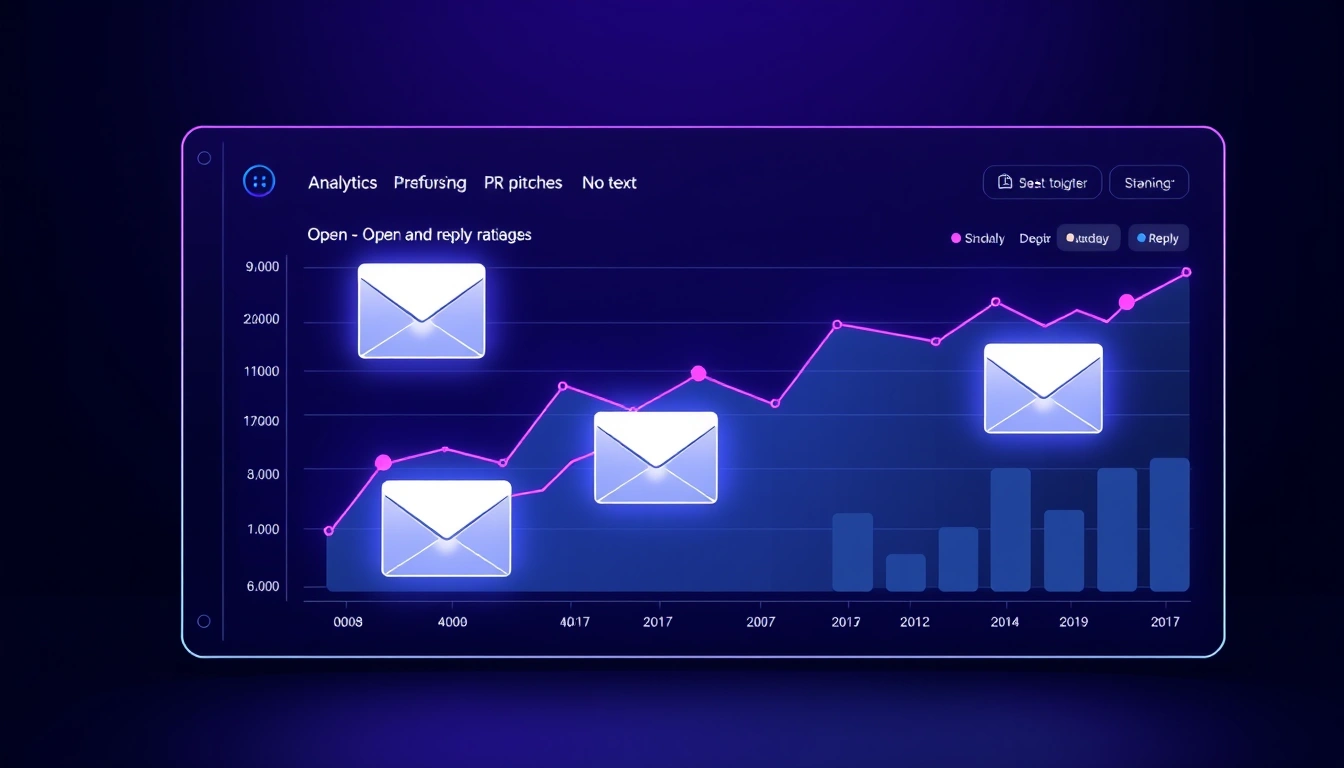
Figure 2: Performance metrics and response tracking across targeted outreach.
7 Mistakes Teams Make When Replacing Muck Rack (And How to Avoid Them)
Most teams don't fail at PR tooling because they picked the "wrong" tool. They fail because they repeat the same operational mistakes that made Muck Rack expensive in the first place — just at a lower price point. Here are the seven failure modes we see repeatedly, pulled from real post-mortems of teams that switched and either thrived or quietly reverted.
Mistake #1: Treating "Cheaper" as the Only Success Metric
A $99/month tool that nobody logs into is infinitely more expensive than a $500/month tool your team uses daily. Founders love to celebrate the savings and ignore the adoption tax.
The fix: Track cost per meaningful outreach, not cost per seat. If Tool A costs $99/mo and produces 4 pitches a week, and Tool B costs $300/mo and produces 30, Tool B is the value play. Set a baseline metric — pitches sent, replies received, placements landed — before you switch, then measure against it for 60 days.
Mistake #2: Migrating Contact Data Without Re-Enriching It
Export from Muck Rack, import to the new tool, done — right? Wrong. Journalist beat data decays fast. Reporters change beats, leave outlets, and go freelance every quarter. Importing a stale CSV just relocates your bounce problem.
- Do this instead: After export, run every contact through a fresh enrichment pass (email verification, current outlet, current beat).
- Flag anything older than 90 days for manual review.
- Expect to lose 15–25% of your list to attrition — that's normal, not a tool failure.
Mistake #3: Buying for Monitoring When Your Bottleneck Is Prospecting
This is the single most common misdiagnosis. Teams assume they need Muck Rack's monitoring suite because that's the feature they recognize, when the actual bottleneck is "we can't find enough relevant journalists to pitch."
The fix: Audit your funnel in order. If you can't generate 50 qualified leads a week, buy prospecting and data tools. If you have leads but no placements, buy sequencing and CRM tools. Only buy monitoring once volume exists to monitor.
Mistake #4: Abandoning Personalization Under Volume Pressure
The moment a team scales outreach, pitch quality collapses. Templates get blunt, first names get merged wrong, and reporters smell automation instantly. This is why muck rack reviews online skew negative — the tool gets blamed for the team's own volume-driven regression.
- Cap daily sends per person at 25–40.
- Require a unique "why this reporter" line in every pitch.
- Use AI to draft personalization, never to replace the human judgment that validates it.
Mistake #5: Ignoring Deliverability Until It's a Crisis
Your new tool's sending IP doesn't matter if you're blasting 300 cold pitches a day from a domain with no warm-up history. Teams migrate, ramp volume immediately, and land in spam within two weeks.
The fix: Warm the domain for 3–4 weeks. Start at 10–15 sends/day, increase 20% weekly, and monitor bounce rate daily (keep it under 3%). Use a subdomain dedicated to outreach so your primary domain stays clean.
Mistake #6: Skipping the muck rack free trial Comparison Test
Ironically, teams leaving Muck Rack often skip the trial periods of their new tools. They buy on a demo and a promise, then discover the UI is unusable or the data is stale.
- Always run trials side-by-side for at least 10 business days.
- Test the same 20 journalists in both tools and compare data accuracy.
- Score each tool on data freshness, search speed, and export friction — not on the sales pitch.
Mistake #7: No Owner, No Accountability
Tools don't run PR. People do. When a switch happens without a named owner, the tool rots. Six months later, "we're not getting value" means "nobody was using it."
The fix: Assign one PR tooling owner with weekly review duties. Give them 3 KPIs: leads sourced, pitches sent, replies received. Report them in the Monday standup.
The Comprehensive PR Execution Checklist
Use this as your operating checklist after any Muck Rack alternative migration. Copy it into Notion or Linear and work it down.
Pre-Launch Prep
- Define your target press tier (Tier 1 national, trade, regional, podcast)
- Export and re-enrich your full contact list; flag anything older than 90 days
- Warm up your sending domain for 3–4 weeks before outreach
- Set up email authentication (SPF, DKIM, DMARC)
- Build a 3-sentence boilerplate and a 1-page press kit
- Create 3 pitch templates by persona, not by outlet
- Run the 10-day side-by-side trial test with 20 sample journalists
- Name a tooling owner and set baseline KPIs
Outreach Execution
- Cap daily sends at 25–40 per person; no exceptions
- Personalize the first line of every pitch with a real reference
- Send Tuesday–Thursday, 7–10am in the reporter's time zone
- Track open, click, and reply; remove non-openers after two sends
- Log every pitch in your CRM with a "why this reporter" note
- Follow up once at day 3, once at day 7, then stop
- Rotate subject lines to avoid spam fingerprinting
Post-Pitch Nurturing
- Reply to every "no" with a one-line "keep me in mind" note
- Add non-responders to a quarterly nurture list, not a dump
- Send placement wins back to your warm contacts as social proof
- Re-enrich your full list every 90 days
- Review KPIs weekly; kill any sequence with <2% reply rate
- Book 1 relationship call per week with a journalist or editor
Frequently Asked Questions
Q: Is there a Muck Rack free trial in 2026?
No — Muck Rack does not offer a public free trial and instead routes prospects to a custom demo and quote. This is one of the top reasons founders cite when searching for a muck rack alternative with lower upfront commitment. Many competitors (Prowly, Muck Rack alternatives in the media database category, and Pytch) instead offer self-serve trials or freemium onboarding so you can verify data quality before paying.
Q: How reliable are Muck Rack reviews when evaluating alternatives?
Muck Rack reviews are reliable for signal but not for absolute truth — they skew toward enterprise teams with big budgets and dedicated PR ops staff. Read reviews relative to your stage: a 4-star review from a 10-person PR team at a Fortune 500 is nearly useless for a solo founder running lean. Sort by company size and look for reviewers matching your headcount and use case.
Q: What's the cheapest way to switch off Muck Rack without losing outreach momentum?
Stack a low-cost data layer (Apollo, Hunter, or Pytch for discovery) with a dedicated sequencing tool (Instantly, Lemlist, or Pytch) and keep your CRM as the system of record. The trick is overlapping tools during the trial window — run both in parallel for two weeks so no pipeline gap opens. You can typically cut spend 60–80% while maintaining or increasing send volume.
Q: Do I still need a monitoring tool if I switch to a lighter stack?
Only once your outreach volume justifies it. Below ~200 pitches/month, Google Alerts, Twitter Lists, and manual tracking cover 90% of what Muck Rack's monitoring gives you. Above that threshold, add a dedicated monitor (Brand24, Mention, or Meltwater). Monitoring without outreach is a vanity line item; outreach without monitoring is running blind.
Conclusion: Automate the Grind, Keep the Human Pitch
Here's the uncomfortable truth after all this tooling talk: the tools were never the problem. The problem is that PR has two distinct halves — logistics and relationships — and most platforms try to sell you enterprise software for both.
Logistics can and should be automated. Finding 500 journalists who cover your space, scoring them for fit, verifying their contact info, personalizing the first line, sending the pitch, and following up twice — that entire sequence is mechanical. It's the same work whether you do it with a $12k/year Muck Rack seat or a $99/month stack.
Relationships cannot be automated. The reporter who remembers you because you sent them a thoughtful note last quarter, the editor who responds to your pitch because you didn't waste their time last month, the podcast host who brings you back — none of that comes from a database.
This is exactly the split Pytch is built around. Pytch handles the mechanical layer: it discovers relevant journalists across 1M+ contacts, scores each one against your specific beat and pitch angle, personalizes outreach at scale, and runs automated follow-up sequences so nothing lands in the "forgot to follow up" graveyard. Your team keeps the part only humans can do — building the relationship, sharpening the story, and showing up when the reporter actually replies.
If you've read Parts 1 and 2 of this guide, you already know the tooling landscape. The final move is a workflow shift: stop paying enterprise prices for a database you barely use, and start running a lean automation layer that lets your PR person act like a one-person agency.
Start here — take the checklist above, run the 10-day trial test, and stack a discovery-and-sequencing tool that clears your bottleneck instead of your budget. If you want to skip the stack-building, Pytch consolidates discovery, fit scoring, personalization, and follow-ups into a single workflow built specifically for startup PR teams that don't have a $12k tooling line item.
The reporters are still human. The grind doesn't have to be.